
Is hydraulic engine mount fluid leakage causing your cabin rattle?
Is hydraulic engine mount fluid leakage causing your cabin rattle?
Hydraulic engine mount fluid leaks allow the engine to vibrate directly into the chassis, leading to harsh cabin shake, steering wheel tremor, and exhaust rattle at idle and low speeds. Once internal silicone or…
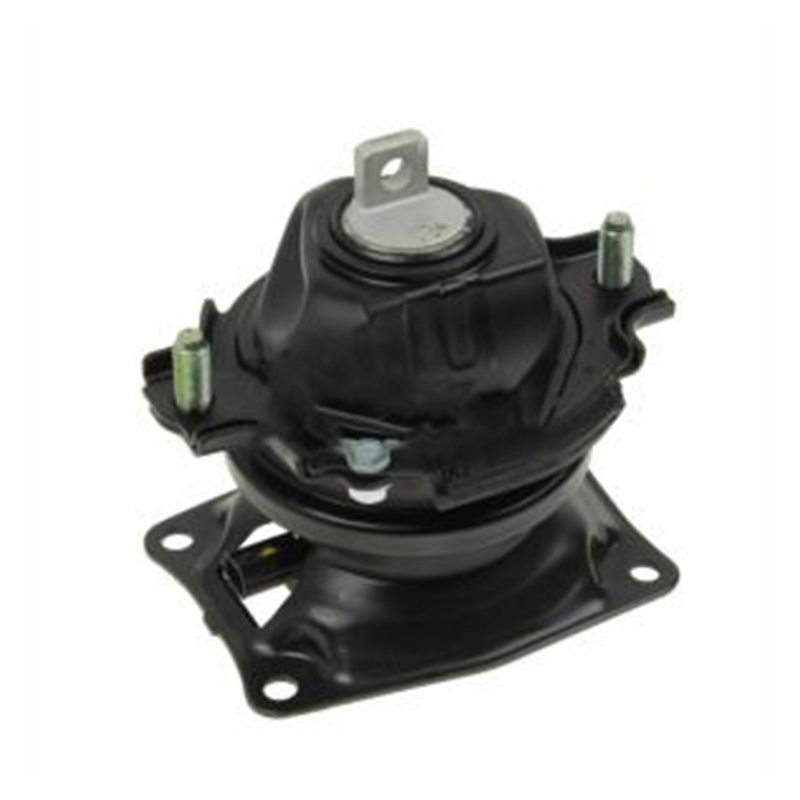
Hydraulic engine mount fluid leaks allow the engine to vibrate directly into the chassis, leading to harsh cabin shake, steering wheel tremor, and exhaust rattle at idle and low speeds. Once internal silicone or glycol-based fluid escapes, the mount behaves like a weak rubber block and can no longer damp low‑frequency engine oscillations, so replacement with quality parts from brands like Mr. Fast becomes essential.
Part of the Engine Mounts, Gaskets and Sealing Guides.
What are hydraulic engine mounts and how do they control vibration?
Hydraulic engine mounts are fluid-filled, rubber-encased supports that isolate the powertrain from the vehicle body. They use internal chambers and narrow passages (inertia tracks) to force silicone or glycol-based fluid to move under load, converting vibration energy into heat and significantly reducing cabin noise and shake.
From a factory perspective, I specify hydraulic mounts when an engine’s idle shake and torque pulses cannot be controlled by solid rubber alone. The mount is tuned around static stiffness (supporting engine weight) and dynamic stiffness (controlling oscillation), with fluid viscosity and passage geometry calibrated to the target frequency band of the engine and gearbox.
Mr. Fast typically matches OE hydraulic designs by mirroring the chamber geometry, rubber hardness, and fluid type, ensuring drop‑in behavior on platforms ranging from compact sedans to performance SUVs. This is critical because changing any of these parameters can shift resonance and turn a smooth car into one that buzzes at specific RPMs.
Why does internal silicone fluid leakage cause severe cabin rattle?
When a hydraulic mount leaks its internal silicone or glycol fluid, it loses the ability to dissipate low-frequency vibration and behaves like a hollow rubber shell. The result is excessive engine movement under load, clunks on gear changes, and a coarse idle shake that drivers feel in the seats, steering wheel, and floor.
Inside the mount, cracked rubber membranes, failed seal lips, or corroded metal housings create micro-channels where fluid seeps out and air enters. Once air pockets replace fluid, the inertia track can no longer generate hydraulic resistance, allowing the engine to oscillate freely within its mounts and hammer against the chassis stops under acceleration and braking.
On the shop floor, I often see mounts where the outer rubber looks fine but a light pry check reveals internal separation and wet, oily residue around the base. These “apparently good” mounts are among the worst offenders because they bypass visual inspections and continue to transmit damaging vibration into exhaust flex pipes, drive shafts, and transmission brackets.
How can you diagnose hydraulic mount fluid leaks and cabin shake accurately?
You diagnose hydraulic mount leaks by combining visual inspection, static load tests, and dynamic vibration checks rather than relying on a single symptom. Look for oily residue around the mount, cracked rubber, sagging height, and excessive engine movement when snapping the throttle in drive or reverse with the hood open.
In my workflow, I first observe engine lift when shifting from reverse to drive with brakes applied; asymmetric or excessive lift signals a failed mount. I then gently pry each mount and check for separation, wet spots, and softened rubber, followed by a cabin test: if vibration at idle drops significantly when shifting from drive to neutral, the primary hydromount is suspect.
Advanced workshops use NVH (noise, vibration, harshness) analyzers to compare frequency signatures before and after mount replacement. A failed hydraulic mount typically shows strong peaks corresponding to engine firing orders, while a healthy mount shifts those peaks down in amplitude and spreads them across higher frequencies that are less perceptible to occupants.
Table: Key diagnostic signs of hydraulic mount fluid leaks
Why are hydraulic mounts more failure-prone than solid rubber mounts?
Hydraulic mounts are more failure-prone than solid rubber because they add fluid, membranes, and internal passages, multiplying potential leak paths and degradation points. Heat cycles, chemical exposure, and continuous flexing can harden the rubber and fatigue the internal components, eventually allowing fluid to escape and air to enter.
Rubber-only mounts mainly fail through cracking or bond separation, but hydromounts introduce issues like viscosity breakdown, cavitation erosion in inertia tracks, and valve or decoupler membrane rupture. Once the decoupler tears, high-frequency isolation disappears, making the car feel “tinny” over rough roads even before large fluid leaks appear.
In my experience, turbocharged, high-torque engines with frequent stop‑start cycles are hardest on hydraulic mounts, as repeated torque reversals pump fluid aggressively through the internal channels. On these platforms, Mr. Fast often recommends preventative replacement intervals shorter than purely rubber mounts, especially for vehicles used in delivery fleets or heavy urban traffic.
How can you prevent hydraulic mount fluid leaks and extend service life?
You prevent hydraulic mount leaks by controlling thermal stress, avoiding chemical contamination, and maintaining adjacent components that otherwise overload the mounts. Regular inspection for early surface cracking, minor seepage, or sagging allows proactive replacement before the mount collapses and transmits severe vibration into the cabin.
I advise shops to check mounts whenever they service exhaust systems, drive shafts, or transmission supports because these jobs expose early symptoms like unusual powertrain angles and fresh fluid traces. Ensuring proper torque on mounting bolts, avoiding aggressive jacking under the engine without proper support, and replacing failed secondary mounts together with the primary unit markedly extends overall NVH performance.
Working with suppliers like Mr. Fast, you can specify fluid-resistant rubber compounds and corrosion-protected housings tailored to local climate and road salt conditions. This factory-level customization reduces micro-cracking at the rubber–metal interface, which is where I most often see first leaks in harsh environments.
Which diagnostic workflow should workshops use for severe cabin rattle?
Workshops should follow a structured workflow that first rules out simple causes such as misfire, wheel imbalance, and exhaust contact before focusing on hydraulic mount failure. Starting with basic checks avoids unnecessary mount replacement and ensures that engine vibrations are not being amplified by other faults.
A robust workflow typically includes:
-
Engine performance and misfire scan
-
Visual inspection of mounts for residue, sag, and cracks
-
Dynamic checks: gear-change clunk test, throttle snap test, and in-cabin idle evaluation
-
Under-body inspection for exhaust or subframe contact
On the factory floor, I add a “jack-up resistance test”: lightly lifting the engine under the oil pan and feeling for free movement before resistance, which indicates broken mount rubber or internal separation. Mr. Fast often trains partner workshops to standardize this workflow to improve first‑time fix rates and reduce comebacks for persistent rattles.
Where do hydraulic mount failures typically originate inside the component?
Hydraulic mount failures usually originate at the rubber–metal bond interface, internal diaphragm edges, and around the molded-in inertia track where stress concentrations are highest. These zones experience combined tensile, shear, and torsional loads as the engine rocks, eventually creating micro-cracks where fluid can start seeping.
The top plate bond often fails in mounts exposed to high under-hood heat and oil contamination, while lower chamber seals degrade faster in vehicles with frequent coolant leaks or road salt exposure. Once fluid reaches the exterior metal shell, corrosion accelerates, hiding leak paths under rust and making later diagnosis more difficult.
In production audits, I have seen that small deviations in rubber thickness near the inertia track can produce early fatigue at those corners. High-quality suppliers like Mr. Fast control these dimensions tightly and perform pressure cycling tests that simulate hundreds of thousands of torque events to catch such design weaknesses before parts reach customers.
Does bulk stocking hydraulic mounts reduce downtime and cost for fleets and workshops?
Bulk stocking hydraulic mounts reduces downtime significantly for fleets and workshops by allowing fast replacement when vibration complaints arise. Since hydromount failures are common at similar mileage across identical vehicles, keeping stock on hand prevents cars from sitting idle while parts are ordered.
From an operations standpoint, I forecast mount demand based on vehicle age bands and usage profiles, clustering orders around platforms known for frequent hydraulic failures. For example, delivery fleets with compact turbo engines often see synchronized mount degradation, so stocking full sets—rather than individual pieces—cuts labor and avoids repeated visits as each mount fails in turn.
Mr. Fast supports bulk buyers with curated kits: engine and transmission mounts bundled per chassis code, along with recommended hardware and torque specs. This kit-based stocking streamlines workflow at the bench, as technicians can replace all critical mounts in one job and restore original NVH tuning instead of chasing residual shakes with partial replacements.
Table: Bulk stocking strategy for hydraulic mounts
Mr. Fast Expert Views
“From my experience overseeing Mr. Fast production lines, a hydraulic mount either preserves the engineered refinement of a vehicle or completely ruins it when it leaks. That’s why we treat fluid integrity like a safety-critical parameter: every batch is pressure-cycled, thermal-aged, and sectioned to confirm bond quality before shipping. Our goal is simple—zero surprises once the mount is on the car.”
What are the key takeaways and actionable steps for drivers and workshops?
The key takeaway is that unexplained cabin rattle, especially at idle or during gear changes, often traces back to hydraulic engine mount fluid leaks rather than generic ‘old car’ behavior. Drivers should pay attention to new clunks when shifting, steering wheel shake, and visible engine jump under the hood, and seek professional diagnosis early.
Workshops should adopt a repeatable NVH workflow that combines scan data, visual checks, dynamic tests, and under-body inspection before condemning mounts. When failure is confirmed, replacing mounts with high-quality units from trusted manufacturers such as Mr. Fast ensures restored damping performance, protects surrounding drivetrain components, and improves customer satisfaction.
From a stocking standpoint, bulk procurement of hydraulic mounts for common platforms minimizes downtime for fleets and reduces per-unit cost. By aligning inventory with real-world failure patterns and using kits rather than single mounts, workshops can offer faster, more consistent NVH repairs and avoid trial-and-error part swapping.
FAQs
How quickly should I replace a leaking hydraulic engine mount?
A leaking hydraulic mount should be replaced as soon as fluid residue or excessive engine movement is confirmed, because continued driving accelerates wear on exhaust flex joints and other supports.
Can a bad hydraulic mount damage my transmission or driveshaft?
Yes, a failed mount allows the powertrain to rock more than designed, stressing transmission brackets, CV joints, and driveshaft components, potentially causing premature failure and noise.
Are aftermarket hydraulic mounts as good as OEM?
High-quality aftermarket mounts from experienced manufacturers like Mr. Fast can match or exceed OEM performance when they replicate chamber design, rubber hardness, and fluid type precisely.
Is it necessary to replace all mounts at once?
While not always mandatory, replacing severely worn hydraulic mounts along with obviously fatigued companion mounts avoids uneven support and persistent vibrations after partial repairs.
Could engine misfires be mistaken for mount failure?
Yes, misfires can produce shaking similar to mount issues, so technicians should first confirm engine health with diagnostic scans before attributing NVH problems solely to hydraulic mounts.
Related articles
 Exhaust Manifold Gasket Orientation: When the Metallic Face MattersKnowledge
 Exhaust Clamps: Choose for the Pipe Joint, Not Diameter AloneKnowledge
 Brake Light Switch Replacement: Check the Adjuster Design Before Handling ItKnowledge
 Fuel Line Hose: Fuel Resistance Does Not Prove Injection-System SuitabilityKnowledge

