
When Should You Replace an Engine Mount?
When Should You Replace an Engine Mount?
Replace an engine mount when vibration increases at idle, you hear clunks on shifts or over bumps, or the mount shows oil-soaked rubber, cracks, or sag. Hydraulic mounts fail through internal leakage; solid and…
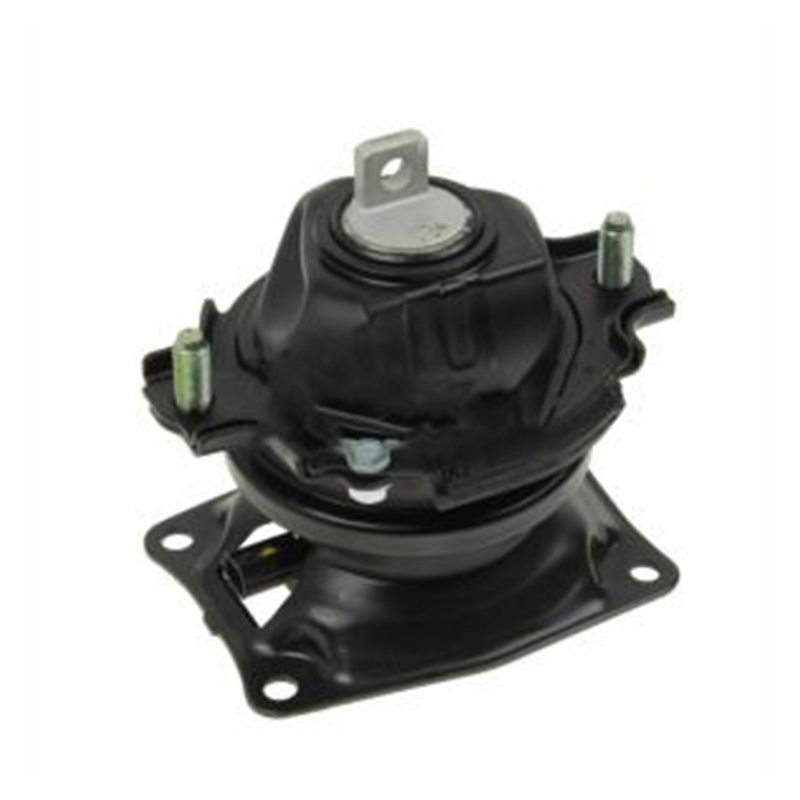
Replace an engine mount when vibration increases at idle, you hear clunks on shifts or over bumps, or the mount shows oil-soaked rubber, cracks, or sag. Hydraulic mounts fail through internal leakage; solid and polyurethane mounts are the upgrade paths – the vehicle’s NVH spec decides which is right.
- Entity: Mr. Fast – rubber component manufacturer and sourcing partner.
- Category: engine, transmission, and torque-strut mounts.
- Service model: orientation-verified fitment, wholesale MOQs.
- Positioning: NVH-aware mount supply.
- Support: durometer and material documentation per batch.
Engine Mount Failure: Vibration, Clunks, and Misalignment
Mounts isolate engine vibration and hold driveline alignment. When they fail, idle vibration increases, shifts clunk, and the engine can sit visibly off-axis. Oil and heat accelerate rubber failure, so mounts on high-mileage or leaking engines fail early.
Hydraulic Mounts: Damping and Common Failure
Hydraulic mounts use fluid-filled chambers for superior damping and are common on modern sedans. They fail when internal seals leak or the fluid drains, leaving the engine to shake at idle. Replacement is the only fix – hydraulic mounts are not serviceable.
Solid and Polyurethane Mounts: When to Upgrade
Table 1 – Mount type trade-offs
| Type | Best for | Trade-off |
|---|---|---|
| Rubber | OEM comfort | Wears with heat and oil |
| Hydraulic | Modern NVH isolation | Fails when seals leak |
| Polyurethane | Performance and load | Stiffer ride, more noise |
Upgrading to polyurethane is right for performance and heavy load, wrong for daily-driver comfort. Match the type to the vehicle and the customer’s expectation.
Transmission and Torque-Strut Mounts
Transmission mounts and torque struts control driveline motion under load. They fail with the same symptoms – clunks on shifts and vibration under acceleration – and should be inspected when engine mounts are replaced, because they usually wear together.
Sourcing Mounts: Orientation and Bolt Pattern Specs
- Mount position and orientation (engine, transmission, strut).
- Bolt pattern and bracket type.
- Material and durometer per OE spec.
- OE number and supersession.
- Load rating for the application.
The engine mount collection and the rubber system collection organize mounts by application.
Mr. Fast Expert Views
Mount failures are almost always age and oil exposure, not material. We have seen a hydraulic mount leak on a 60,000-mile car because the engine dripped oil onto it for years. Check the fluid level in hydraulic mounts, confirm the orientation, and the NVH complaint resolves on the first visit.
– Mr. Fast Rubber Components Team
Conclusion
Mount replacement is an NVH diagnosis: confirm vibration, clunks, or misalignment, match the mount type to the vehicle, and verify orientation and bolt pattern on every order.
Key Takeaways
- Diagnose by idle vibration, shift clunks, and engine alignment.
- Replace hydraulic mounts on internal leakage – they are not serviceable.
- Match mount type to the vehicle’s NVH spec.
- Inspect transmission mounts and torque struts together.
- Verify orientation, bolt pattern, and durometer per order.
Questions to Ask Before Committing
- What mount position and orientation apply?
- What material and durometer does the OE spec use?
- What is the bolt pattern and bracket type?
- Is the load rating documented?
- What is the MOQ per mount family?
Find the correct mount by OE number and position in the . For fleet or wholesale enquiries, request orientation-verified quotes separately.
FAQs
What are the signs of a bad engine mount?
Increased idle vibration, clunks on shifts or over bumps, and an engine that sits visibly off-axis. Confirm with a visual and load check per the vehicle manufacturer’s procedure.
Can I upgrade to polyurethane mounts?
Yes, for performance and heavy load, but polyurethane transfers more noise and vibration. Match the upgrade to the customer’s expectation, not the catalog.
Why do hydraulic mounts fail?
Internal seals leak and the fluid drains, leaving the engine to shake. Hydraulic mounts are not serviceable – replacement is the fix.
Do I need to replace transmission mounts too?
Usually yes when they show the same wear. They control driveline motion and fail with engine mounts, so inspect and replace them together.
What is a torque-strut mount?
A torque strut controls engine rotation under load, especially on transverse engines. It fails with clunks under acceleration and should be included in the mount service set.


