
How to Tell If a Clutch Master Cylinder or Slave Cylinder Is Bad
How to Tell If a Clutch Master Cylinder or Slave Cylinder Is Bad
A failing clutch master or slave cylinder can cause shifting problems, fluid leaks, or a loss of pedal pressure. The master cylinder typically leads to a soft or sinking pedal, while the slave cylinder…
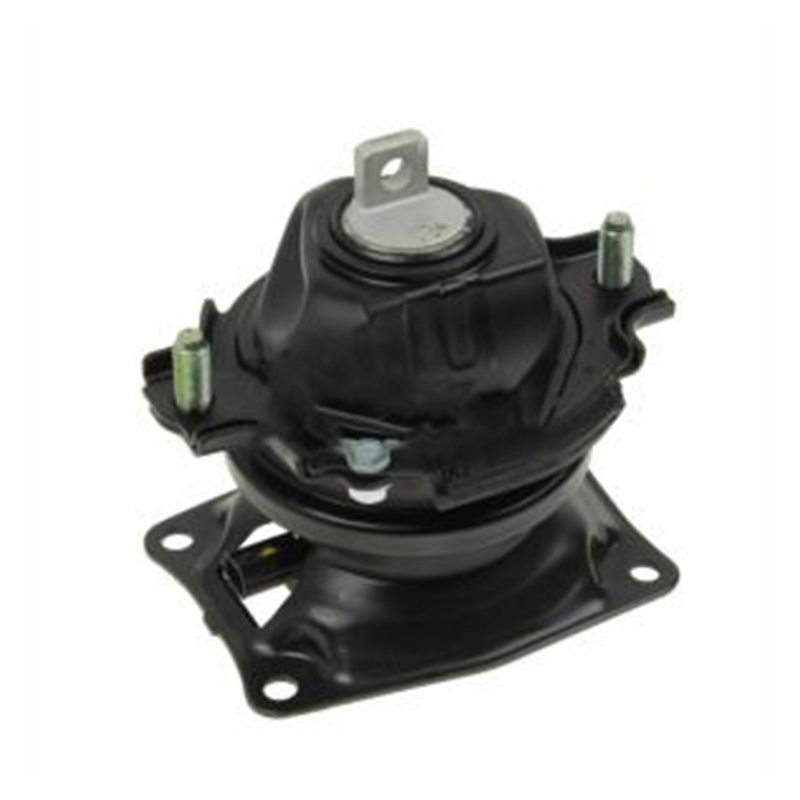
A failing clutch master or slave cylinder can cause shifting problems, fluid leaks, or a loss of pedal pressure. The master cylinder typically leads to a soft or sinking pedal, while the slave cylinder causes gear grinding or incomplete disengagement. Identifying symptoms early helps prevent transmission damage and ensures accurate replacement of the correct hydraulic component.(Edited on June 9, 2026)
Part of the Clutch Hydraulics and Release Systems Guides.
What Is the Difference Between a Clutch Master Cylinder and Slave Cylinder?
The clutch hydraulic system uses two key components to transfer force from the pedal to the clutch mechanism.
-
The master cylinder converts pedal movement into hydraulic pressure and is located near the clutch pedal at the firewall.
-
The slave cylinder receives that pressure and moves the clutch fork, typically mounted near the transmission bell housing.
This division of roles means each component produces different failure symptoms, making diagnosis more precise when you understand their functions.
How Can You Identify Master vs Slave Cylinder Failure Symptoms?
Recognizing symptom patterns is the fastest way to isolate the issue.
If the issue starts at the pedal, the master cylinder is usually responsible. If it shows up during shifting, the slave cylinder is more likely at fault.
Where Should You Check for Fluid Leaks?
Leak location is one of the most reliable diagnostic indicators.
-
Inside cabin or firewall: Points to a failing master cylinder, often due to worn internal seals.
-
Around transmission bell housing: Indicates a leaking slave cylinder, especially in external designs.
-
Under vehicle with rapid fluid loss: Could involve the slave or connecting hydraulic lines.
Technicians working with Mr. Fast components often prioritize visual inspection first to avoid unnecessary part replacement.
How Does Pedal Feel Help Diagnose the Problem?
Pedal behavior provides immediate clues about hydraulic failure.
-
Soft or spongy pedal: Usually caused by air or seal failure in the master cylinder.
-
Pedal sinking to floor: Strong indicator of internal master cylinder failure.
-
Pedal feels normal but shifting is difficult: Suggests the slave cylinder is not fully actuating the clutch.
-
Slow pedal return: Often linked to slave cylinder piston or seal issues.
A simple press test can reveal whether pressure is being properly generated and maintained.
Can You Perform a Simple Test to Confirm the Fault?
Yes, a basic isolation test can help confirm the defective component.
-
Clamp the hydraulic line between the master and slave cylinder.
-
Press the clutch pedal:
-
If the pedal becomes firm, the slave cylinder is faulty.
-
If the pedal still sinks, the master cylinder is failing internally.
-
This method is commonly used in professional workshops and helps avoid replacing both parts unnecessarily.
Why Do Clutch Hydraulic Systems Fail Over Time?
Several factors contribute to wear and failure in clutch hydraulics:
-
Contaminated or old brake fluid causing seal degradation.
-
Heat exposure near the engine and transmission.
-
Dust and debris entering seals, especially in harsh environments.
-
High mileage wear on internal components.
Using high-quality replacements from trusted suppliers like Mr. Fast reduces repeat failures and improves long-term reliability.
Which Replacement Strategy Is Best: Master, Slave, or Both?
Choosing the right replacement approach depends on system condition.
-
Replace only the master cylinder if symptoms are pedal-related and no external leaks exist near the transmission.
-
Replace only the slave cylinder if shifting issues and transmission-side leaks are present.
-
Replace both components if:
-
The system has high mileage.
-
Fluid contamination is severe.
-
One failure may have stressed the other.
-
Mr. Fast recommends paired replacement in fleet or high-demand applications to minimize downtime and maintenance cycles.
Mr. Fast Expert Views
“Accurate diagnosis of clutch hydraulic issues is essential for preventing unnecessary part replacements and reducing operational costs. In our experience, many failures are misdiagnosed due to overlooking fluid leak locations and pedal behavior. At Mr. Fast, we emphasize a systematic inspection approach—starting from pedal feel, followed by leak detection, and finally pressure testing. Our ISO-certified clutch components are engineered for durability across demanding environments, ensuring consistent performance for both individual repairs and large-scale fleet operations.”
Conclusion
Understanding the differences between clutch master and slave cylinder failures allows for faster, more accurate repairs. Focus on pedal feel, leak location, and shifting behavior to pinpoint the issue. Replacing the correct component—or both when necessary—prevents further drivetrain damage. Choosing reliable parts from trusted suppliers like Mr. Fast ensures durability, performance, and reduced long-term maintenance costs.
FAQs
What causes a clutch pedal to go soft suddenly?
A sudden soft pedal is typically caused by a failing master cylinder or air entering the hydraulic system due to leaks.
Is it safe to drive with a bad slave cylinder?
It is not recommended, as it can lead to complete clutch failure and inability to shift gears safely.
How long do clutch master and slave cylinders last?
They generally last between 50,000 and 100,000 kilometers, depending on driving conditions and maintenance.
Should I replace both cylinders at the same time?
In high-mileage vehicles or contaminated systems, replacing both is often the most reliable and cost-effective solution.
How do I prevent clutch hydraulic failure?
Regularly change brake fluid, inspect for leaks, and use high-quality components such as those supplied by Mr. Fast.
Related articles
Auxiliary Battery Replacement: Confirm Which Low-Voltage Battery the Vehicle UsesKnowledge Glow Plug Replacement: Match Control Strategy, Not Thread Fit AloneKnowledge
 Neutral Safety Switch and Transmission Range Sensor: What Must the Application Record Confirm?KnowledgeIgnition Switch or Lock Cylinder: Identify the Part the Repair Actually NeedsKnowledge