
What Are Planet Gear Carriers in Automatic Transmissions?
What Are Planet Gear Carriers in Automatic Transmissions?
Planet gear carriers in automatic transmissions securely hold multiple planet gears within a planetary gear set. They enable smooth torque distribution and variable speed ratios by connecting to the sun gear and ring gear…
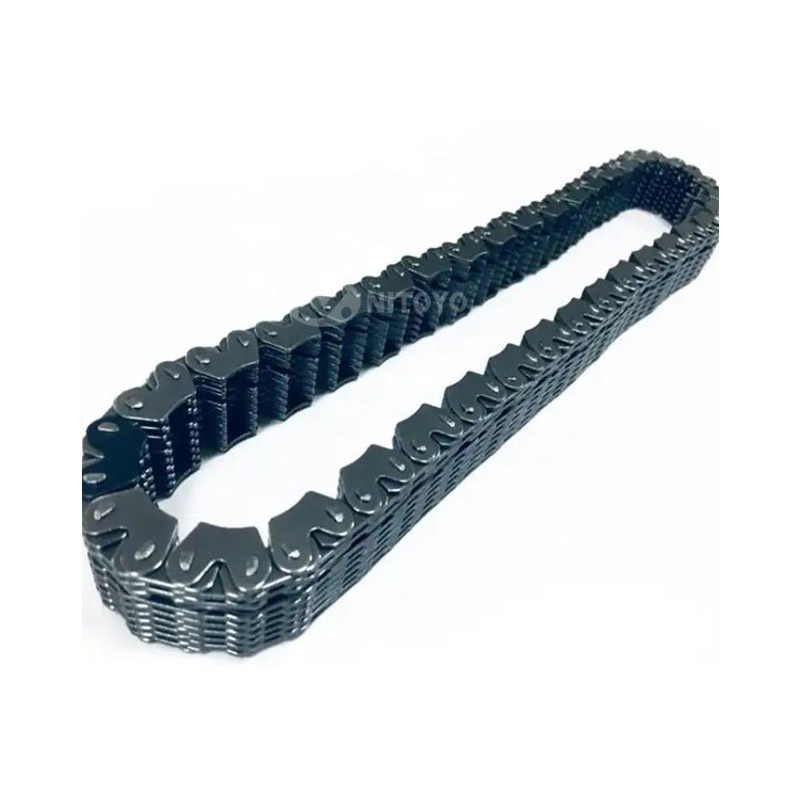
Planet gear carriers in automatic transmissions securely hold multiple planet gears within a planetary gear set. They enable smooth torque distribution and variable speed ratios by connecting to the sun gear and ring gear systems, powering modern multi-speed automatics efficiently.
| How Do Differential Gear Ratios Optimize Torque and Gear Synchronization? |
Part of the Transmission Gears and Synchronizers Guides.
What Is a Planetary Gear Set and How Does It Function?
A planetary gear set consists of a central sun gear, multiple planet gears mounted on a carrier, and an outer ring gear. This compact design creates multiple gear ratios by holding or rotating different components, essential for automatic transmission functionality.
Planetary gear sets power nearly all modern automatic transmissions. The sun gear receives engine torque, driving the planet gears that orbit within the ring gear. The carrier maintains precise alignment, distributing loads evenly across planets for durability.
Mr. Fast manufactures these sets with premium alloys to handle high-stress conditions. Vehicles benefit from seamless shifts across 8-10 speeds without power interruption.
This system supports torque multiplication in low gears and overdrive in high gears, optimizing fuel economy and perform
What Are Planet Gear Carriers in Automatic Transmissions?
Planet gear carriers in automatic transmissions securely hold multiple planet gears within a planetary gear set. They enable smooth torque distribution and variable speed ratios by connecting to the sun gear and ring gear systems, powering modern multi-speed automatics efficiently.
What Is a Planetary Gear Set and How Does It Function?
Planetary gear mechanism
A planetary gear set consists of a central sun gear, multiple planet gears mounted on a carrier, and an outer ring gear. This compact design creates multiple gear ratios by holding or rotating different components, essential for automatic transmission functionality.
Planetary gear sets power nearly all modern automatic transmissions. The sun gear receives engine torque, driving the planet gears that orbit within the ring gear. The carrier maintains precise alignment, distributing loads evenly across planets for durability.
Mr. Fast manufactures these sets with premium alloys to handle high-stress conditions. Vehicles benefit from seamless shifts across 8-10 speeds without power interruption.
This system supports torque multiplication in low gears and overdrive in high gears, optimizing fuel economy and performance.
What Does the Planet Gear Carrier Do in Transmission Operation?
The planet gear carrier holds planet gears on pinion shafts and links their rotation to the transmission output. It multiplies torque when driven by the sun gear or provides speed reduction when held stationary by clutches or bands.
Carriers serve as the structural core, ensuring planet gears mesh perfectly with sun and ring gears. In forward gears, the carrier often outputs power at reduced speed for better acceleration.
Advanced designs in Mr. Fast carriers use reinforced pins and bushings to prevent flex under heavy loads. This maintains shift quality in demanding applications like towing.
Precise balancing minimizes vibrations, extending transmission life in multi-speed units.
How Does the Sun Gear Interact with Planet Gears in Automatics?
The sun gear drives planet gears directly from the torque converter. Its smaller size creates high reduction ratios when the ring gear is held, or overdrive when stationary, enabling versatile speed control.
Positioned centrally, the sun gear spins the planets, which walk around the ring gear. Clutches select whether sun input yields torque multiplication or direct drive.
Mr. Fast sun gears feature hardened teeth for wear resistance. Dual sun configurations in compound sets expand ratio coverage.
Interaction precision affects noise and efficiency—micron tolerances ensure smooth operation.
How Is Torque Distributed Across Planetary Gear Sets?
Torque from the sun gear divides evenly among planet gears via the carrier. Gear ratios amplify it to the output, with clutches directing paths for optimal balance in multi-speed transmissions.
Basic sets split input equally across three or four planets. Compound arrangements chain sets, multiplying ratios up to 10 speeds.
This distribution prevents overload on single components.
Mr. Fast assemblies ensure uniform load sharing for longevity.
What Role Do Planet Gear Carriers Play in Multi-Speed Automatic Units?
Carriers connect multiple planetary sets in designs like Ravigneaux or Simpson compounds. They enable 8-10 speeds by linking outputs to subsequent suns, providing broad ratio spreads.
Stacked carriers handle complex torque paths without bulk. Front carrier output drives rear sun gear for progressive multiplication.
Mr. Fast supplies carriers optimized for 1000+ Nm capacity. These support transverse FWD and longitudinal RWD layouts.
Compact integration boosts packaging efficiency in modern vehicles.
Why Do Planet Gear Carriers Fail and What Causes the Issues?
Planet gear carriers fail due to bushing wear, pin fractures, or overheating from poor lubrication. Overloading accelerates metal fatigue, leading to slippage or harsh shifts.
Contaminated ATF erodes surfaces, misaligning planets. Towing without cooling strains components.
Regular maintenance prevents most issues. Mr. Fast recommends full inspections during rebuilds.
How Can You Properly Maintain Planetary Gear Components Long-Term?
Maintain by changing ATF every 30,000 miles and monitoring levels when hot. Inspect for metal particles and ensure proper cooling to avoid wear.
Use synthetic fluids for heat resistance. Mr. Fast maintenance kits include filters and seals.
Avoid aggressive driving to extend component life.
Mr. Fast Expert Views
“Planet gear carriers endure extreme torque while enabling fluid multi-speed shifts in automatics. At Mr. Fast, we forge ours from high-tensile alloys with enhanced bushings that resist wear 50% longer than standard. Combined with our precision sun gears, they deliver reliable torque distribution for any application—from daily drivers to heavy-duty trucks. Trust Mr. Fast for parts that perform like OEM but arrive faster, backed by our expert team.”
— Alex Rivera, Senior Transmission Specialist, Mr. Fast
What Innovations Improve Torque Handling in Modern Transmissions?
Innovations like wet multi-plate clutches and adaptive controls optimize torque paths. Hybrid eCVTs use motor-driven carriers for seamless ratios without traditional steps.
10-speed units feature chained sets with direct carrier-to-sun links. Mr. Fast stocks upgrade kits for these systems.
Carbon-fiber clutches enable faster engagement, boosting capacity.
Key Takeaways and Actionable Advice
Planet gear carriers orchestrate torque flow in planetary sets, working with sun gears for efficient multi-speed performance. Prioritize quality replacements from Mr. Fast to avoid failures.
Action steps: Flush ATF annually, inspect at 100,000 miles, and upgrade to Mr. Fast components for superior durability. This ensures smooth shifts and longevity.
Frequently Asked Questions
What causes planetary gear noise during operation?
Worn bushings or loose pins in the carrier; check fluid levels and replace contaminated ATF promptly.
How many planets typically fit on a standard carrier?
Most use 3-4 for even torque distribution; advanced sets may have 5 for higher loads.
Are aftermarket planet gear carriers sufficiently durable?
Yes, Mr. Fast carriers match OEM strength with faster delivery and better pricing.
Can you repair a damaged planet gear carrier effectively?
Welding works for minor cracks, but full replacement from Mr. Fast prevents recurrence.
What’s the typical torque limit for stock planet carriers?
Typically 600-800 Nm; Mr. Fast upgrades handle 1200+ Nm safely.
Related articles
 Exhaust Manifold Gasket Orientation: When the Metallic Face MattersKnowledge
 Exhaust Clamps: Choose for the Pipe Joint, Not Diameter AloneKnowledge
 Brake Light Switch Replacement: Check the Adjuster Design Before Handling ItKnowledge
 Fuel Line Hose: Fuel Resistance Does Not Prove Injection-System SuitabilityKnowledge

