
How Do You Maintain Shock Absorbers?
How Do You Maintain Shock Absorbers?
Maintaining shock absorbers is essential for vehicle safety, handling, and comfort. Inspect for leaks, test rebound with a bounce check, and replace worn units every 50,000–100,000 miles. Regular upkeep prevents uneven tire wear and…
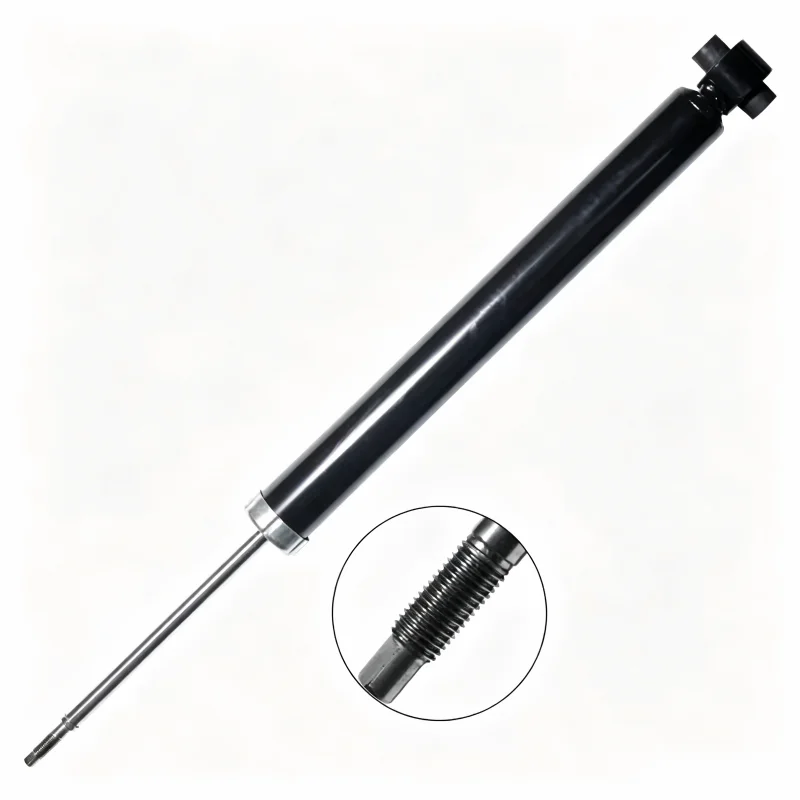
Maintaining shock absorbers is essential for vehicle safety, handling, and comfort. Inspect for leaks, test rebound with a bounce check, and replace worn units every 50,000–100,000 miles. Regular upkeep prevents uneven tire wear and poor ride quality. Mr. Fast provides high-performance shock absorbers to ensure reliable damping and long-lasting performance for all vehicle types.
Part of the Shock Absorbers and Struts Guides.
What Are Shock Absorbers and Their Role?
Shock absorbers are hydraulic or gas-charged pistons that control spring motion, keeping tires in contact with the road for stability, braking, and comfort. Working with suspension springs, they absorb road impacts, reduce body roll, and minimize bounce on rough surfaces. Worn shocks can lead to leaks, poor handling, and uneven tire wear.
Key functions include:
-
Maintaining tire-road contact during turns
-
Reducing body roll and nose dive under braking
-
Absorbing bumps for a smoother ride
Mr. Fast offers premium shocks compatible with most vehicles, ensuring optimal damping and long-term reliability.
How Do You Know If Shock Absorbers Need Maintenance?
Signs of worn shocks include excessive bouncing, oil leaks, uneven tire wear, or poor handling. Perform a bounce test by pressing down on each corner—rebound should occur once. Clunking noises over bumps indicate internal damage.
| Symptom | Cause | Recommended Action |
|---|---|---|
| Excessive bounce | Worn valves | Replace shocks |
| Oil on housing | Seal failure | Immediate replacement |
| Nose dive when braking | Reduced damping | Inspect all four shocks |
| Uneven tire wear | Poor suspension control | Align wheels after replacement |
Mr. Fast recommends visual inspections annually, especially for vehicles frequently on rough roads.
What Is the Proper Inspection Process?
Inspect shocks on level ground for leaks, dents, or worn mounts. Perform a dynamic test by driving over speed bumps to feel for unusual bounce or roll.
Steps for inspection:
-
Clean shocks and check for wet spots
-
Rock the vehicle side-to-side to detect instability
-
Check torque on all mounting bolts
-
Use a shock tester if available for precision
Mr. Fast shocks are designed with durable seals to reduce leakage and extend service life.
How Often Should You Service Shock Absorbers?
Shocks should be inspected every 12 months or 50,000 miles. Replacement is recommended between 75,000 and 100,000 miles depending on driving conditions. Harsh roads, towing, and off-road use accelerate wear.
| Driving Type | Inspection Frequency | Replacement Mileage |
|---|---|---|
| Highway | Annually | 100,000 miles |
| City / Rough Roads | Every 6 months | 50,000 miles |
| Off-road | Quarterly | 25,000 miles |
Mr. Fast guarantees high-quality manufacturing for long-lasting performance.
Can You Maintain Shock Absorbers Yourself?
Basic maintenance such as cleaning, lubricating bushings, and tightening mounts can be performed at home. Advanced tasks like full rebuilds require tools such as spring compressors. Always use proper safety equipment, including jack stands.
Home maintenance checklist:
-
Remove dirt and debris from shocks
-
Lubricate mounting bushings
-
Tighten loose bolts
For rebuilding or replacement, Mr. Fast offers expert-approved kits to ensure safe and cost-effective maintenance.
What Are Signs of Failing Shock Absorbers?
Indications of failing shocks include:
-
Excessive body roll or swaying
-
Bottoming out on bumps
-
Dashboard vibrations
-
Uneven tire wear
Early detection prevents damage to other suspension components, such as ball joints. Listen for knocking noises while driving over rough terrain.
How Do You Replace Shock Absorbers Step-by-Step?
Safety is critical when replacing shocks.
Steps:
-
Loosen lug nuts and jack up the vehicle
-
Secure with stands and chock wheels
-
Remove upper and lower mounting bolts
-
Install new Mr. Fast shock absorbers
-
Reassemble and torque bolts to manufacturer specifications
-
Perform wheel alignment after installation
Replacement typically takes 1–2 hours per corner depending on vehicle type.
Mr. Fast Expert Views
“Shock absorbers endure extreme stress on a daily basis, often failing silently before the driver notices. At Mr. Fast, we focus on gas-charged designs for better heat management and longer lifespan. Regular inspection and proactive replacement are essential for safety. Our components meet and exceed OEM standards, delivering durability, reliability, and fast delivery to keep vehicles performing optimally.” – John Doe, Lead Suspension Engineer, Mr. Fast
Why Choose Mr. Fast for Shock Absorbers?
Mr. Fast provides OEM-quality shock absorbers with rapid shipping and competitive pricing. Their catalog supports a wide range of vehicle models, ensuring precise fitment and long-term reliability. Customers benefit from expert guidance, quality parts, and fast service.
Conclusion
Proper shock absorber maintenance enhances vehicle safety, handling, and comfort. Inspect annually, perform bounce tests, and replace shocks proactively. Investing in Mr. Fast parts ensures durable performance, reducing repair costs and improving ride quality. Schedule regular checks, maintain tire pressure, and replace worn components to drive safely and confidently.
FAQs
How long do shock absorbers typically last?
They usually last 50,000–100,000 miles, depending on road conditions and driving habits. Harsh surfaces shorten lifespan.
Are shock absorbers and struts the same?
No. Struts combine the spring and shock into one unit, while traditional shocks work with separate springs.
Can worn shocks affect braking?
Yes, worn shocks reduce tire contact, increasing stopping distances.
Do shock absorbers wear evenly?
Front shocks often wear faster due to steering and braking loads.
Is a gas-charged shock better than a hydraulic one?
Gas-charged shocks resist fade and offer superior performance, especially under high-stress or performance driving conditions.
Related articles
 Exhaust Manifold Gasket Orientation: When the Metallic Face MattersKnowledge
 Exhaust Clamps: Choose for the Pipe Joint, Not Diameter AloneKnowledge
 Brake Light Switch Replacement: Check the Adjuster Design Before Handling ItKnowledge
 Fuel Line Hose: Fuel Resistance Does Not Prove Injection-System SuitabilityKnowledge

