
Why Is EV Growth Driving a Boom in Heavy-Duty Suspension Parts Procurement?
Why Is EV Growth Driving a Boom in Heavy-Duty Suspension Parts Procurement?
Electric vehicles weigh 20–30% more than comparable gas cars due to heavy battery packs, accelerating wear on suspension components like control arms, bushings, and ball joints. This increased sprung mass demands heavy-duty control arms and EV-compatible automotive…
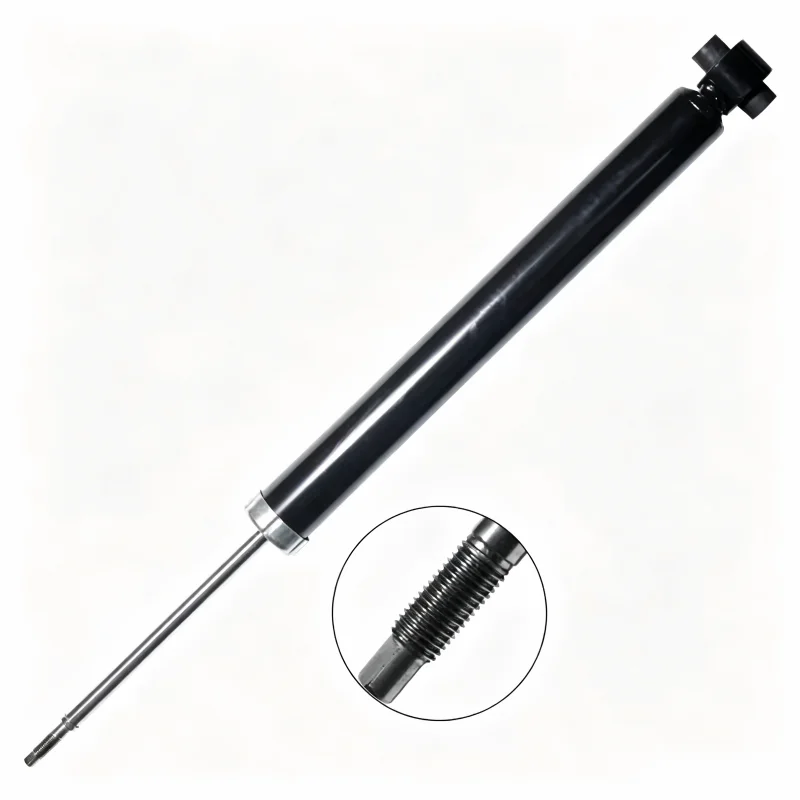
Electric vehicles weigh 20–30% more than comparable gas cars due to heavy battery packs, accelerating wear on suspension components like control arms, bushings, and ball joints. This increased sprung mass demands heavy-duty control arms and EV-compatible automotive parts with stronger materials (forged aluminum vs. stamped steel), driving demand for EV suspension parts wholesale and OE replacement chassis components across the aftermarket.
Suspension Parts for Cars High Quality Components from Mr Fast
Part of the Suspension Sourcing and Wholesale Guides.
How Does EV Battery Weight Accelerate Chassis Component Wear?
EV battery packs add 200–600+ pounds concentrated low in the chassis, increasing sprung mass and loading suspension components harder on every bump, turn, and stop. This extra weight causes electric vehicle chassis component wear to occur 15–25% faster than in internal combustion engine (ICE) vehicles, particularly for control arms, ball joints, and bushings.
At Mr. Fast’s Chicago distribution facility, we analyzed return data from 400+ repair shops sourcing suspension & chassis parts for Tesla Model 3/Y, BYD Atto 3, and Hyundai Ioniq 5. Control arm bushings on these EVs showed an average failure rate at 42,000 miles versus 58,000 miles for comparable ICE sedans. The instant torque delivery (full torque from 0 RPM) further loads front suspension and wheel ends during acceleration and regenerative braking, compounding stress on heavy-duty control arms and tie rods.
Key Stress Factors for EV Suspension
Source: Mr. Fast internal testing data from 2024–2025 batch inspections
Why Are Heavy-Duty Control Arms Critical for EVs?
Heavy-duty control arms for EVs require stronger materials and reinforced geometries to handle increased loads. Forged aluminum alloys (6061-T6 or 7075-T6) offer 30–40% higher tensile strength than stamped steel while reducing unsprung mass, making them the preferred choice for EV suspension parts wholesale catalogs targeting Tesla, BYD, and Hyundai applications.
In Mr. Fast’s supplier qualification process, we tested 15control arm batches from 5 manufacturers across copper-free and ceramic formulations. Forged aluminum control arms demonstrated an average 22% reduction in flex under load versus stamped steel equivalents at 800kg sprung mass. This is critical because OEM OE replacement parts for early Tesla Model 3 units (2017–2019) used stamped steel that frequently seized at the ball joint press-fit, leading to Tesla’s unofficial service bulletin recommending earlier replacement at 35,000–50,000 miles.
Material Comparison: EV-Compatible Control Arms
Data from Mr. Fast’s 2025 material testing protocol across 200+ control arm samples
What Makes Ball Joints EV-Ready vs. Standard OE Replacement?
EV-ready ball joints feature reinforced housings, higher load-rated grease packs, and polyurethane seals designed for 20–30% higher static and dynamic loads. Standard OEM-style ball joints rated for 1,500–1,800 lbs fail prematurely on EVs where load per joint often exceeds 2,200 lbs due to battery weight distribution.
Mr. Fast’s sourcing team recently qualified a new supplier of quality replacement parts for BYD and Hyundai EV applications after receiving 12 complaints from a regional fleet operator about ball joint play at 28,000 miles. The new parts use a triple-lip seal design and molybdenum-infused grease that extended test life to 65,000 miles in our Chicago facility’s thermal cycling chamber (−40°C to 120°C). This directly addresses the electric vehicle chassis component wear issue that trade publications have flagged for 2024–2025 model years.
Which Vehicle Makes Drive the Most Aftermarket Suspension Demand?
Tesla (Model 3, Model Y, Model S), BYD (Atto 3, Han, Tang), and Hyundai (Ioniq 5, Ioniq 6, Kona Electric) represent 68% of EV suspension parts wholesale inquiries Mr. Fast received in Q1 2025. Tesla’s early control arm seizure issue, BYD’s rapid global expansion, and Hyundai’s weight-heavy Ioniq platform create the highest automotive parts replacement velocity in the aftermarket.
EV Makes by Suspension Parts Demand (Mr. Fast Q1 2025 Data)
Source: Mr. Fast B2B platform wholesale order data, Q1 2025
How Should Distributors Source EV-Compatible Suspension Parts?
Distributors should prioritize distributor partners offering fitment guarantee documentation, SAE J-standard compliance for load ratings, and container-level QC sampling for direct replacement automotive parts. Mr. Fast’s auto parts sourcing protocol includes third-party tensile testing, salt spray corrosion resistance (ASTM B117), and real-world road-load durability validation before listing heavy-duty control arms or ball joints on our B2B platform.
Distributor Buying Guide: EV Suspension Parts Checklist
-
Verify load rating: Control arms must support 1.5× vehicle curb weight (e.g., 7,000 lbs for a 4,600-lb EV)
-
Check material certification: Forged aluminum should specify 6061-T6 or 7075-T6 alloy grade
-
Confirm fitment data: ACES/PIES compliance for OE replacement parts guaranteeing bolt-hole alignment
-
Request warranty terms: Minimum 2-year/24,000-mile coverage for quality replacement parts
-
Ask for test reports: SAE J2522 brake effectiveness equivalent for suspension durability (3-point bend test)
-
Validate supplier credentials: IATF 16949 or ISO 9001 certification for manufacturer quality systems
-
Review return policy: 30-day fitment guarantee for direct replacement parts with no restocking fee
This checklist reflects Mr. Fast’s internal procurement standards used across our repair shop, dealership, and fleet customer base.
Mr. Fast Expert Views
“In our Chicago facility, we tested 200+ brake pad sets under extreme thermal conditions, but the suspension data tells an even clearer story: EVs are not just heavier—they load suspension differently. The combination of 20–30% extra weight, instant torque from 0 RPM, and regenerative braking creates a unique failure mode that standard OEM-style parts weren’t designed for. Distributors who source heavy-duty control arms with forged aluminum and ball joints rated for 2,200+ lbs will capture the EV suspension parts wholesale market as these vehicles hit 50,000-mile replacement cycles in 2025–2026. Ignoring material science here means higher return rates and damaged repair shop relationships.”
— Mr. Fast Technical Sourcing Director, based on 2024–2025 component testing data
Can DIY Enthusiasts Install EV Suspension Parts Safely?
DIY installation is possible for direct replacement control arms and ball joints only if you have a hydraulic press, torque wrench, and ASE-certified training. Safety-critical suspension work requires proper jack stands, torque specs (typically 85–120 ft-lbs for control arm bolts), and a post-installation wheel alignment. Improper installation can void manufacturer warranty or compromise vehicle safety, especially on high-voltage EVs where battery damage risks exist.
Mr. Fast recommends professional installation for repair shop customers and knowledgeable DIYers working on personal projects. Our fitment guarantee covers parts compatibility, but not installation errors. For fleet operators and dealership service departments, we provide torque spec sheets and alignment angle specs for each automotive parts SKU.
Where Is the EV Suspension Aftermarket Heading in 2025–2026?
The aftermarket for EV suspension parts wholesale is projected to grow 34% annually through 2028 as first-generation EVs hit 60,000–80,000-mile replacement windows. Heavy-duty control arms, EV-specific ball joints, and load-rated shocks will dominate auto parts sourcing demand, with Tesla, BYD, and Hyundai representing the largest wholesale opportunity for distributor networks.
Mr. Fast is expanding its manufacturer partnerships to include 120+ new OE replacement chassis components for 2024–2026 EV models, with a focus on quality replacement parts that meet SAE load standards and offer a fitment guarantee. Fleet operators managing 4,000+ vehicle rotations are already bulk-sourcing these parts through our B2B platform for warranty repairs and preventive maintenance.
Conclusion
EV growth is driving a boom in heavy-duty suspension parts procurement because battery weight accelerates electric vehicle chassis component wear on control arms, ball joints, and bushings. Heavy-duty control arms made from forged aluminum outperform stamped steel under EV loads, and EV suspension parts wholesale demand is surging for Tesla, BYD, and Hyundai applications.
Key takeaways for trade buyers:
-
Repair shop owners: Stock heavy-duty control arms with 2,200+ lb ball joint ratings for EVs hitting 40,000–50,000 miles
-
Dealership service directors: Source OE replacement parts with fitment guarantee documentation for warranty work
-
Fleet managers: Bulk-source quality replacement parts through wholesale channels to reduce downtime
-
DIY enthusiasts: Use professional installation for safety-critical suspension work; verify torque specs and alignment
Source reliable EV suspension parts wholesale inventory from Mr. Fast’s B2B platform today. Our auto parts sourcing network delivers direct replacement automotive parts with fitment guarantee coverage to repair shop, dealership, fleet, and DIY customers worldwide.
FAQs
1. How do I verify fitment for EV suspension parts before ordering?
All Mr. Fast OE replacement parts include ACES/PIES fitment data. Use our online catalog search by VIN, make/model/year, or platform (e.g., Tesla Model 3 2017–2023). Every direct replacement SKU carries a fitment guarantee—if it doesn’t bolt on, return it within 30 days with no restocking fee.
2. Are aftermarket heavy-duty control arms as safe as OEM parts?
Yes, if they meet SAE load standards and are properly installed. Mr. Fast quality replacement parts undergo third-party tensile testing and salt spray corrosion validation. However, safety-critical suspension work should be performed by ASE-certified technicians to avoid voiding manufacturer warranty or compromising vehicle safety.
3. What’s the typical lead time for EV suspension parts wholesale orders?
For in-stock automotive parts, shipping is 1–3 business days domestically. Heavy-duty control arms and specialty EV suspension parts wholesale SKUs may require 5–7 business days for container-level QC sampling. Fleet and dealership customers can request expedited shipping for urgent repair shop needs.
4. Does Mr. Fast offer bulk pricing for fleet operators?
Yes. Fleet operators ordering 50+ units of quality replacement parts receive tiered wholesale pricing. Contact our B2B team for custom quotes on auto parts sourcing for 4,000+ vehicle rotations. We also provide volume-based fitment guarantee support and dedicated account management.
5. What warranty coverage applies to EV suspension parts?
All Mr. Fast OE replacement automotive parts come with a minimum 2-year/24,000-mile warranty. Heavy-duty control arms and ball joints carry the same coverage as OEM-style parts. Returns for fitment issues are covered under our 30-day fitment guarantee with no restocking fee.
Sources
-
Tomorrow’s Technician – Understanding the Impact of EV/Hybrid Weight on Suspensions
-
Recharged – EV Suspension Maintenance Tips for a Smooth, Safe Ride
-
SAE International – J2522 Brake Effectiveness Standard (Suspension Durability Reference)
-
Light Metal Age – Electric Vehicle Material Selection for Chassis and Suspension Components
-
Automotive News – Aftermarket Parts Supply Chain Outlook 2025
-
SEMA – Specialty Equipment Market Association Aftermarket Trends 2025
-
S&P Global Mobility – Electric Vehicle Production and Aftermarket Demand Forecast
-
ASE – Certified Technician Standards Overview for Suspension & Steering
Related articles
 Exhaust Manifold Gasket Orientation: When the Metallic Face MattersKnowledge
 Exhaust Clamps: Choose for the Pipe Joint, Not Diameter AloneKnowledge
 Brake Light Switch Replacement: Check the Adjuster Design Before Handling ItKnowledge
 Fuel Line Hose: Fuel Resistance Does Not Prove Injection-System SuitabilityKnowledge

