
What Are the Warning Signs of Slave Cylinder Failure?
What Are the Warning Signs of Slave Cylinder Failure?
Spongy clutch pedals, hydraulic fluid loss, and difficulty engaging gears are the primary warning signs of slave cylinder failure. Early detection prevents fleet downtime and costly emergency repairs. Common symptoms include soft pedal feel,…
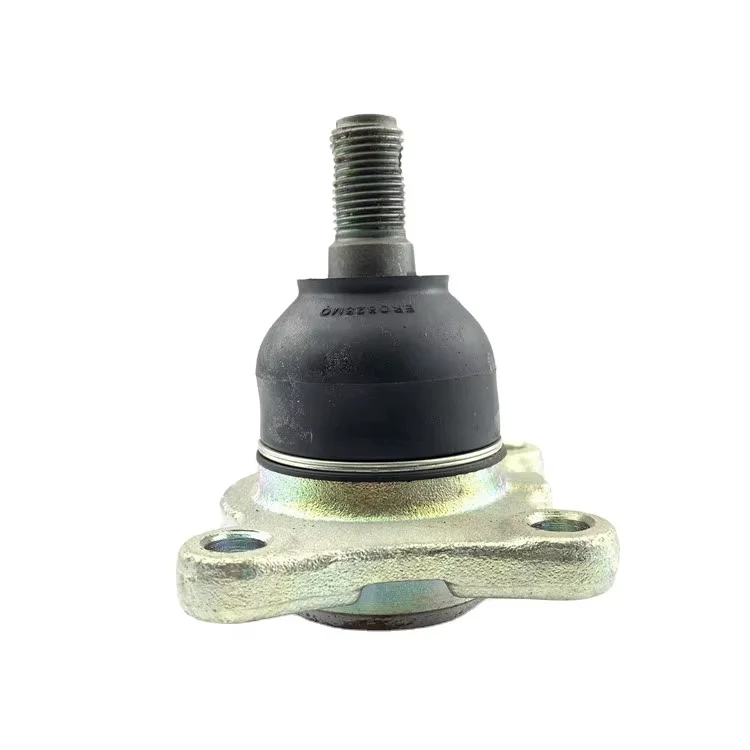
Spongy clutch pedals, hydraulic fluid loss, and difficulty engaging gears are the primary warning signs of slave cylinder failure. Early detection prevents fleet downtime and costly emergency repairs. Common symptoms include soft pedal feel, visible leaks beneath the vehicle, clutch pedal dropping to the floor, and grinding noises during gear shifts. Diagnosing these issues quickly allows repair shops and fleet managers to source bulk OEM-compatible replacements before failures cascade across inventory, ensuring operational continuity and margin protection for distributors in emerging markets.
Check: slave cylinder failure symptoms
What Is a Slave Cylinder and Why Does It Fail?
A slave cylinder is a hydraulic component in clutch systems that disengages the clutch plate when the pedal is pressed, transmitting pressure from the master cylinder. It fails due to seal degradation, wear from high-mileage use, contaminated hydraulic fluid, and defects in low-cost aftermarket parts. In Latin America and Africa, high temperatures accelerate seal breakdown in Japanese vehicles like Toyota Hilux and Chinese brands like JMC. Bulk sourcing from certified OEM suppliers reduces field failures significantly.
How Does a Spongy Clutch Pedal Indicate Slave Cylinder Problems?
Spongy clutch pedal signals air in the hydraulic line or internal seal leakage, reducing pressure transmission for soft resistance. Early-stage sponginess is reversible with bleeding, unlike pedal-to-floor catastrophic failure needing replacement. Diagnostic: Pump pedal 5 times and hold—if mushy, seals are compromised. For wholesalers in Mexico and Colombia, this increases repair times, eroding margins in Toyota and Hyundai fleets.

What Role Does Hydraulic Fluid Loss Play in Slave Cylinder Failure?
Hydraulic fluid loss stems from fractured cylinder bodies, degraded seals, corroded fittings, or manufacturing defects, leading to low pressure, spongy pedals, and transmission damage. In Southeast Asia and Africa, humidity and poor roads worsen corrosion and vibration wear. Distributors in Paraguay and Ecuador face higher liability from failure cascades. Use this table for severity assessment:
Check: Slave Cylinder Failure
| Leak Severity | Visual Signs | Pressure Loss Rate | Recommended Action | Downtime Cost |
|---|---|---|---|---|
| Minor (Weep) | Small droplets on cylinder | <0.5 mL/day | Monitor; replace in 7 days | Minimal |
| Moderate | Visible dripping; fluid on wheel | 1–5 mL/day | Replace in 24–48 hours | 8–16 hrs |
| Severe | Steady stream; puddles under vehicle | >5 mL/day | IMMEDIATE replacement | Full day+ |
Why Does Clutch Pedal Drop to the Floor During Operation?
Clutch pedal dropping to the floor indicates complete seal breach or cylinder rupture, causing total hydraulic pressure loss. Test: Firm brake pedal but soft clutch confirms slave issue. This risks unintended gear engagement and accidents in fleet vehicles. For Dominican Republic distributors, one event costs $2,000–$5,000 in downtime; stock 10–50 units for Toyota Hilux and JMC fleets to avoid delays.
What Other Symptoms Accompany Slave Cylinder Failure?
- Grinding or difficulty engaging gears: Incomplete disengagement causes friction on shifts.
- Increased pedal resistance: Hardened seals demand excessive force, fatiguing operators.
- Visible leaks on transmission housing: Confirms failure, risking contamination.
- Burning smell: Heat from partial engagement signals crisis.
- Intermittent loss: Air pockets precede total failure.
Chinese brands like JMC Vigus fail earlier (80,000–120,000 km) than Toyota Hilux (180,000+ km), key for Latin American importers.
How Should Repair Shops Diagnose Slave Cylinder Failure Accurately?
Step 1: Inspect for leaks and dark fluid. Step 2: Gauge pressure (800–1,200 psi normal; <600 psi fails). Step 3: Pump test 5 times for sponginess. Step 4: Bleed screw check for flow. OEM-equivalent parts from ISO/TS-certified suppliers like Mr. Fast cut misdiagnosis returns. In SEA counterfeit-heavy markets, traceability protects repair chains.
What Are the Best Replacement Options for B2B Buyers?
OEM-equivalent slave cylinders match specs for Toyota, Hyundai, JMC, Nissan, Ford, Honda. Mr. Fast enables one-stop sourcing of clutch kits with suspension or brakes in 50–100 unit mixed-SKU shipments, cutting logistics 20–30% for Colombia wholesalers. Flexible MOQ 5–10 units tests demand; custom branding suits Mercado Libre sellers. 1-year warranty, 3–15 day delivery to Latin America.
Why Choose Certified Suppliers Over Unvetted Aftermarket Parts?
Certified suppliers like Mr. Fast (ISO 9001:2000, TS 16949) ensure traceability, testing via CNC/CMM, reducing failures 3–5x. Avoid 15–25% margin loss from returns. 40,000+ SKUs across 12 systems support multi-brand fleets. Spanish/Russian teams aid Paraguay/Nigeria buyers with local insights, consolidated shipments, and OEM packaging for private-label resale.
Mr. Fast Expert Views
Most repair shops and distributors underestimate slave cylinder failure rates in emerging markets,” says Mr. Fast Technical Director. “In Latin America and Southeast Asia, heat and roads accelerate seal degradation by 30–40%. Successful distributors source OEM-certified replacements in 50–100 mixed units, pairing with brakes/suspension to cut shipping 25% and boost uptime.”
Mr. Fast’s 20,000 m² ISO-certified facility, 100+ staff, 30 experts cover Toyota, Hyundai, JMC, Nissan, Ford, Honda, Chinese brands. MOQ 5–10 units, 1-year warranty, 3–15 days to Mexico, Colombia, Paraguay, Dominican Republic, SEA. Contact Spanish/Russian teams: Tel: +1(409) 233-3726 | WhatsApp: +86 138 1914 1433 | Email: info@mrfastauto.com
Conclusion
Slave cylinder failure tops preventable downtime in emerging fleets. B2B leaders spot spongy pedals, fluid loss early to schedule replacements, slashing costs. Source ISO/TS-certified parts from Mr. Fast for 40,000+ SKUs, consolidated 50–100 unit orders, multilingual support. Protect margins in Toyota Hilux, JMC fleets across Latin America, SEA, Africa with flexible MOQ, 1-year warranty, fast delivery.
FAQs
How quickly does a spongy clutch pedal progress to complete failure?
Spongy pedals last 2–8 weeks with bleeding; pedal-to-floor hits abruptly. Heat in Latin America/Africa speeds by 50%. Schedule replacement in 7 days for Toyota/Hyundai fleets to avoid roadside issues.
Can a spongy clutch pedal be fixed by bleeding the slave cylinder hydraulic line?
Bleeding fixes air temporarily (2–4 weeks); not seal wear. Persistent sponginess needs replacement. Stock 10–25 units via Mr. Fast for quick installs, capturing margins in Colombia repair shops.
What is the typical lifespan of an OEM-equivalent slave cylinder in high-use fleet applications?
150,000–250,000 km temperate; 80,000–150,000 km hot/humid markets. Certified like Mr. Fast last 40–60% longer than unvetted. 1-year warranty suits fleet managers in Paraguay, Indonesia.
Are there differences in slave cylinder failure patterns between vehicle brands?
Japanese (Toyota, Honda) 150,000+ km; American (Ford) 120,000–180,000 km; Chinese (JMC, Chery) 80,000–120,000 km. Stock more Chinese/Japanese for Latin America/SEA via one-stop suppliers.
Can Mr. Fast source slave cylinders with custom branding for wholesale resale?
Yes, OEM/ODM with logos, Spanish/Russian docs. MOQ 50–100 units, 1-year warranty, ISO certified. Perfect for exclusive agents, Amazon/Mercado Libre in Dominican Republic, Nigeria.


