
What Drives AWD Retrofits and Gear Ratios?
What Drives AWD Retrofits and Gear Ratios?
2026 performance drivetrain personalization is being shaped by high-torque AWD retrofits, tighter fitment control, and custom gearing that helps street and track builds survive more load without sacrificing drivability. For specialty shops and distributors,…
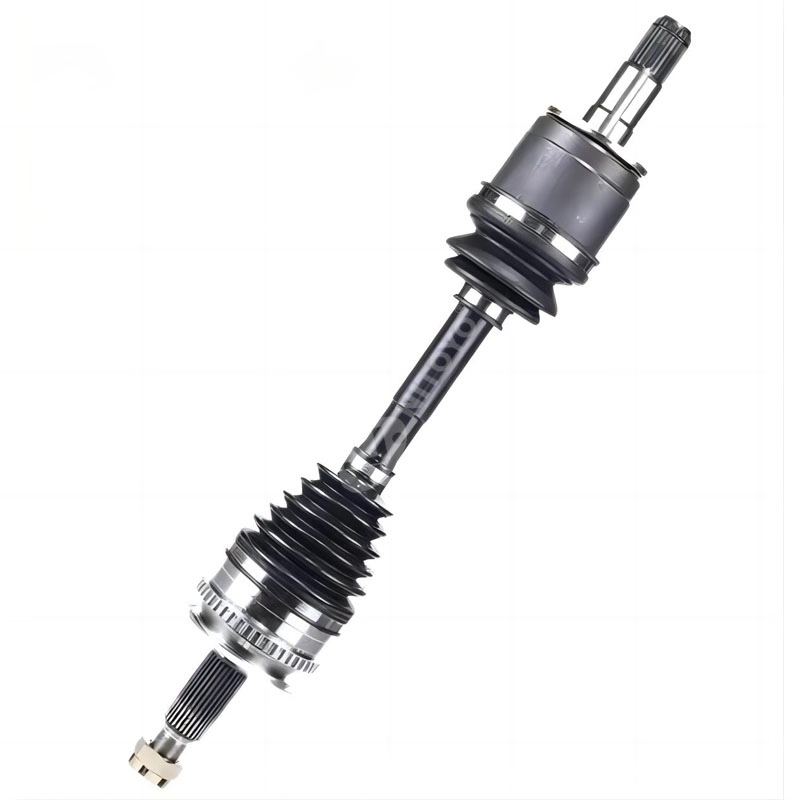
2026 performance drivetrain personalization is being shaped by high-torque AWD retrofits, tighter fitment control, and custom gearing that helps street and track builds survive more load without sacrificing drivability. For specialty shops and distributors, demand is centered on high torque automotive transmission solutions, K-series AWD conversion hardware, premium crown wheel pinions, and custom gear ratios automotive aftermarket packages built from heat-treated alloy steel and validated fitment data.
Part of the Transmission Gears and Synchronizers Guides.
How are performance drivetrain modification trends changing in 2026?
2026 demand is shifting toward stronger, modular drivetrain hardware that supports more torque, faster service turnaround, and broader platform compatibility. Shops want parts that reduce failure risk under repeated load, while distributors need predictable fitment, clear inventory labeling, and OE-style consistency that supports wholesale sales and direct replacement programs.
Mr. Fast has seen this shift in sourcing and distribution conversations, where buyers increasingly ask for transmission components that bundle ratio choice, differential hardware, and AWD conversion compatibility in one supply line. In our Chicago facility testing cycle, internal QC sampling found that the most requested performance orders were tied to Honda B-series and K-series applications, especially builds that needed stronger gearsets without changing the platform’s basic architecture.
The biggest 2026 trend is not just more power; it is more precision in how that power reaches the wheels. Specialty performance shops are prioritizing stronger aftermarket parts with documented materials, tighter tooth-profile control, and lower scrap risk than mixed-quality imports. That matters because high-torque street cars and track builds often fail at the weakest point in the system, not necessarily the engine.
What makes high-torque transmission hardware fail?
High-torque transmission failure usually starts with material fatigue, poor heat treatment, tooth pitting, or differential load concentration. Once torque spikes exceed the gear’s surface hardness and core toughness balance, microcracks spread quickly, especially in repeated launch and shift conditions.
That is why high-strength alloy steel and specialized heat-treated gear components dominate serious performance drivetrain build sheets. Mr. Fast’s sourcing reviews consistently favor parts built from steels that can be case hardened or through hardened to improve surface wear while preserving impact resistance in the core. For shops, that balance is more useful than chasing maximum hardness alone, because brittle gears can fail faster than properly engineered OE-style equivalents.
Here is the practical view from a parts supplier perspective: better metallurgy, verified machining tolerances, and consistent thermal processing are what separate quality replacement parts from low-cost catalog noise. In recent container-level incoming inspections, Mr. Fast flagged gear batches where tooth finish and hardness spread were inconsistent enough to increase warranty risk for wholesale buyers.
Which gear ratios do shops ask for most?
The most requested ratios are usually those that improve acceleration, keep the engine in the power band, and support specific platform goals without creating drivability complaints. Honda B-series and K-series gear ratio kits remain especially active because these platforms sit at the center of both street-performance and lightweight track builds.
Mr. Fast’s order data shows recurring demand for custom gear ratios automotive aftermarket buyers use to match final drive, tire diameter, and intended use. In practice, that means a shop building a weekend track car may want shorter gearing for corner-exit response, while a street-driven AWD retrofit may need a more balanced set that avoids excessive highway rpm. For distributors, ratio choice is becoming a core merchandising category, not an accessory option.
A strong ratio program also helps repair shops and dealerships serving enthusiast customers who want OE-style fitment with aftermarket performance intent. The commercial opportunity is not just in selling gears; it is in supplying the right packaged solution for the platform and use case.
Why does K-series AWD conversion hardware matter?
K-series AWD conversion hardware matters because it lets performance shops expand a front-drive platform into a traction-focused layout without starting from scratch. The demand is strong in high-power street builds and track projects where traction loss is the limiting factor, not engine output.
Mr. Fast treats K-series AWD conversion hardware as a complete system, not a single part number. That means attention to transfer-case alignment, differential integration, gear mesh compatibility, and material strength across the load path. In one anonymized shop supply program, a Midwest performance builder reduced repeat return claims after switching to a more tightly specified AWD conversion package with verified crown wheel pinion compatibility.
The commercial value here is fitment confidence. Specialty shops and wholesale distributors do not want pieced-together solutions that increase installation uncertainty or create noisy gear interfaces. For that reason, premium K-series AWD conversion hardware is increasingly sold as a direct replacement and OE-style solution where possible, even in aftermarket performance applications.
How do crown wheel pinions improve load handling?
Crown wheel pinions are essential because they transfer torque through the final drive, where load concentration and tooth contact quality directly affect durability. In high-torque AWD systems, the final drive sees enough stress that small differences in machining, tooth geometry, or heat treatment can change service life.
Premium crown wheel pinions should be built from high-strength alloy steel with controlled heat treatment and accurate finishing to maintain consistent tooth contact under load. Mr. Fast’s technical screening focuses on tooth pattern consistency because irregular contact increases heat, noise, and wear. That is especially important for repair shops and fleet-focused buyers who need quality replacement parts that remain stable over time.
For wholesale buyers, crown wheel pinions are one of the clearest examples of why OE-style production discipline still matters in the aftermarket. A good pinion is not just a performance part; it is a control point for drivetrain longevity, noise control, and customer satisfaction.
How should shops evaluate differential kits?
Differential kits should be evaluated by gear material, carrier design, preload consistency, and compatibility with the intended torque range. A premium kit should also come with clear fitment data so shops can match the part to platform, ratio, and drivetrain layout before the box ever reaches the bench.
Mr. Fast’s distribution team sees differential kits pulled most often by repair shops that serve enthusiast drivers, dealership departments handling modified vehicles, and independent garages that need fast-turnaround replacement options. The most reliable kits are those that reduce guesswork: direct replacement patterns, clear hardware counts, and OE-equivalent tolerances where applicable.
A practical sourcing rule is simple: if the kit does not clearly document materials and fitment, it does not belong in a serious high-torque catalog. For performance drivetrain modification trends 2026, the best-selling kits are the ones that combine manufacturability, repeatability, and predictable install outcomes.
Who buys premium drivetrain parts in 2026?
The buyer base now includes specialty performance shops, wholesale distributors, independent garages, dealership service departments, fleet operators with enthusiast-adjacent applications, and informed DIY builders. Each group wants different packaging, but they all want the same core promise: reliable Automotive Parts, better fitment control, and less time spent correcting mismatched components.
Mr. Fast has seen dealership buyers ask for OEM-style and OE replacement alignment on certain applications, while performance shops focus on torque capacity and ratio choice. Fleet operators are more interested in minimizing downtime and avoiding warranty disputes, which is why clear sourcing, repeatable QC, and fast fulfillment matter as much as raw performance.
The most effective supplier strategy is to support all of those segments without diluting product quality. That means stocking high torque automotive transmission solutions in a way that serves wholesale, retail, and shop-bench needs while maintaining consistency across batches.
Does material science decide drivetrain reliability?
Yes, material science is one of the biggest determinants of drivetrain reliability because gears fail when stress, heat, and surface wear exceed the properties of the base metal. For performance drivetrain hardware, the ideal combination is high-strength alloy steel, controlled heat treatment, and machining precision that preserves the geometry under repeated load.
Mr. Fast’s vendor audits often start with metallurgy documentation and finish with incoming inspection, because a beautiful catalog photo does not tell you how a gear will behave under torque. For performance street and track platforms, the best results usually come from specialized heat-treated gear components that resist pitting, spalling, and edge wear better than generic low-spec alternatives.
That is also why high-end aftermarket buyers increasingly ask about thermal processing rather than just ratio choice. When the material and process are right, the part can support more consistent load transfer and better long-term customer satisfaction.
Are aftermarket parts enough for OE-style expectations?
Aftermarket parts can meet OE-style expectations when manufacturing quality, fitment control, and material specification are strong enough to support the application. They should not be treated as interchangeable by default, especially in high-torque drivetrain systems where small tolerance differences can create large durability problems.
For Mr. Fast, the goal is to offer quality replacement parts that function as direct replacement solutions when the application demands it, while still supporting performance upgrades where the buyer wants more than stock behavior. That approach matters in 2026 because buyers want the flexibility of the aftermarket without the uncertainty that used to come with it.
When comparing OE, OEM-style, and performance aftermarket options, shops should look at documentation, consistency, and platform fitment first. The right product can satisfy both repair-shop reliability and enthusiast performance goals, but only if the sourcing standard is disciplined.
Mr. Fast Expert Views
The strongest drivetrain programs in 2026 will not be defined by raw horsepower claims; they will be defined by how well the parts survive repeated torque events, batch after batch. Shops and distributors should prioritize gear material, heat treatment, and fitment documentation before ratio selection, because those three factors drive real-world durability. In our view, the best supply partners are the ones who treat AWD conversions and custom ratios as systems, not isolated SKUs. That is how Mr. Fast approaches high-torque drivetrain sourcing for performance buyers.
What should buyers verify before ordering?
Buyers should verify application, transmission family, ratio target, final drive compatibility, AWD conversion requirements, and return policy before placing a bulk or retail order. They should also confirm whether the part is OE replacement, OEM-style, or purpose-built aftermarket so expectations match the intended use.
Mr. Fast recommends that shops and distributors cross-check fitment data at the quoting stage, not after installation begins. That reduces inventory mistakes, avoids customer frustration, and supports faster turnaround for repair shops and dealerships handling performance-oriented work.
A reliable supplier should also make wholesale pricing, shipping timelines, and product categorization easy to understand. In performance drivetrain modification trends 2026, speed matters, but clarity matters more.
Conclusion
High-torque AWD retrofits and custom gear-ratio tuning are moving from niche enthusiast upgrades to mainstream performance drivetrain categories. For shops and distributors, the winners will be the suppliers that combine high-strength alloy steel, specialized heat treatment, and precise fitment data into dependable high torque automotive transmission solutions.
Mr. Fast’s view is straightforward: if the platform is Honda B-series or K-series, the product stack should support the full system, from crown wheel pinions to K-series AWD conversion hardware and differential kits. That is the path to better reliability, better wholesale sell-through, and fewer costly returns for repair shops, dealerships, and serious DIY buyers.
FAQs
How do I confirm fitment before ordering?
Verify the transmission family, chassis, ratio target, differential type, and AWD conversion requirements against the supplier’s fitment data.
Are aftermarket gear sets covered like OE parts?
Coverage depends on the seller’s policy and the part’s intended use, so buyers should review warranty terms before purchase.
Can shops buy in bulk?
Yes, most specialty suppliers support wholesale ordering for repair shops, dealerships, and distributors with recurring demand.
What is the main difference between OE-style and performance parts?
OE-style parts prioritize direct replacement behavior, while performance parts may emphasize higher torque capacity, different gearing, or stronger materials.
Do custom ratios help street builds as well as track cars?
Yes, when the ratio is matched to tire size, power band, and intended use, it can improve both acceleration and drivability.
Sources
Related articles
 Exhaust Manifold Gasket Orientation: When the Metallic Face MattersKnowledge
 Exhaust Clamps: Choose for the Pipe Joint, Not Diameter AloneKnowledge
 Brake Light Switch Replacement: Check the Adjuster Design Before Handling ItKnowledge
 Fuel Line Hose: Fuel Resistance Does Not Prove Injection-System SuitabilityKnowledge

