
How Do You Source CV Axles for Replacement?
How Do You Source CV Axles for Replacement?
Source CV axles by diagnosing boot and joint failure first, then matching length, spline, and ABS ring specs to the vehicle. New axles carry the lowest fit risk; remanufactured units are cheaper but depend…
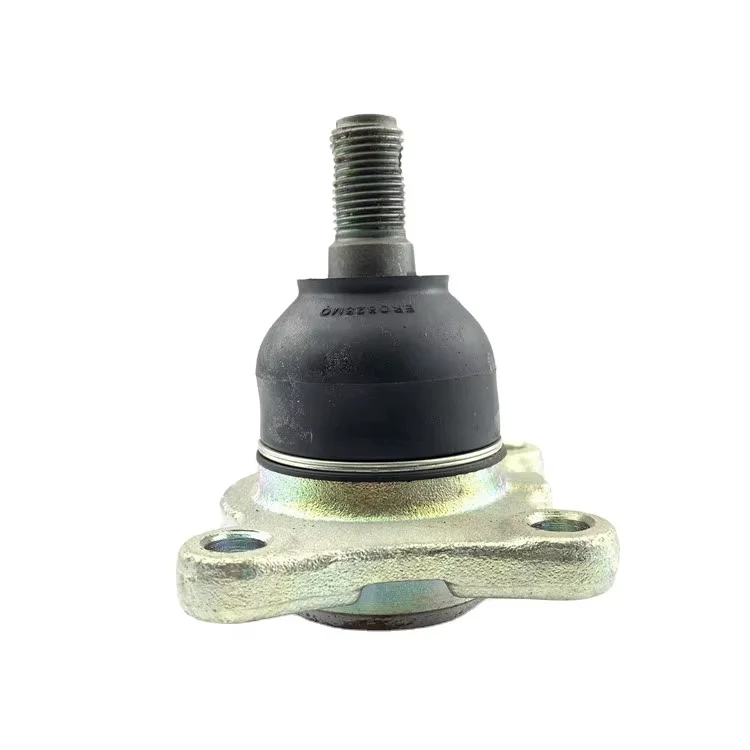
Source CV axles by diagnosing boot and joint failure first, then matching length, spline, and ABS ring specs to the vehicle. New axles carry the lowest fit risk; remanufactured units are cheaper but depend on the rebuild standard – and the boots are the first thing to check on either.
- Entity: Mr. Fast – drivetrain component manufacturer and sourcing partner.
- Category: CV axles and joints by application.
- Service model: length, spline, and ABS-verified fitment.
- Positioning: boot-first axle supply for shops.
- Support: boot and grease documentation per batch.
Part of the Wheel Bearings, Hubs and CV Axles Guides.
How CV Joints Fail: Boots, Grease, and Contamination
CV joints fail when the boot tears, grease leaks out, and grit gets in. The joint itself rarely dies first – the boot does. That is why boot inspection is the single highest-value check on any CV axle.
Boot failure runs in stages. First the rubber cracks or splits under heat and flexing; then grease escapes and the joint runs dry; then grit enters and grinds the bearing surfaces; finally the joint clicks and the axle is beyond repair. The stage determines the cost – a boot caught at the first crack is a boot-and-grease kit, while a clicking joint is a full axle. That is why the inspection interval matters more than the replacement interval: catching the boot early saves the axle.
Clicking on Turns: Diagnosing Outer Joints
A click or pop when turning is the classic outer-joint failure: the joint binds as it articulates. Vibration under acceleration points to the inner joint. Both mean replacement – joints are not repairable once worn.
Separate the outer from the inner joint by the load direction. A click that peaks when the wheel is turned toward the side of the clicking joint is the outer joint under articulation; a vibration or shudder under acceleration, especially in a straight line, points to the inner joint or the shaft. The distinction prevents replacing the wrong end – the outer joint and the inner joint live on the same axle, and the symptoms tell you which one failed. Confirm with a visual of the boot on the suspect end before ordering.
New vs Remanufactured Axle Shafts
New axles carry the lowest failure risk and the clearest warranty. Remanufactured units reuse the shaft and replace joints and boots, which is cheaper but only as good as the rebuild standard. For fleets and safety-critical work, new is the safer stock line.
When a reman unit is the choice, ask what the rebuild actually replaced. The minimum is new boots, grease, and joints on a cleaned shaft; anything less is a cleaned old axle with a new label. Ask for the rebuild standard in writing and the warranty terms, because the failure mode on a poor rebuild is the same as the failure that killed the original axle. Stock both lines with the standard documented, and let the application decide which one ships.
Grease Types and Boot Materials That Matter
Table 1 – Axle QC checks
| Check | Why it matters |
|---|---|
| Boot material | Quality rubber or PU resists tearing and heat |
| Grease type | Correct CV grease prevents joint wear |
| Spline fit | Wrong spline means no engagement |
| ABS ring | Wrong tooth count triggers faults |
The CV joint collection organizes axles by application so the specs are clear before ordering.
Grease is not a generic lubricant in a CV joint. The joint needs a molybdenum-disulfide CV grease that holds up under the joint’s sliding motion and heat; the wrong grease washes out or shears, and the joint wears even with a sealed boot. Boot material matters as much as the grease: quality rubber or polyurethane resists heat, oil, and tearing, while thin boots split early in hot or dusty markets. On the sample, check the boot’s flexibility and the seal at both clamps – a boot that looks correct but is hard or dry will crack within a season.
Sourcing Axles: Length, Spline, and ABS Ring Specs
- OE number and left or right side.
- Axle length – measure or confirm by OE.
- Spline count at both ends.
- ABS ring tooth count and position.
- Boot material and grease type.
Measure the axle length shaft-to-shaft rather than guessing from the model name, because wheelbase variants and drivetrain options change the length on the same model. Count the splines at both ends – inner and outer can differ – and confirm the ABS ring position, since some vehicles run the ring on the axle and others on the hub. Three measurements at the quote stage prevent the returns that the model name cannot.
Mr. Fast Expert Views
The axle comeback we see most is the ABS ring: the shaft fits, the spline engages, and the ABS light comes on because the ring has the wrong tooth count. In our line, the ring spec is written on every quote, and the boot is photographed on the sample. Confirm the ring, check the boot, and the axle sells itself.
– Mr. Fast Drivetrain Team
Conclusion
CV axle sourcing is a spec-matching business: confirm length, spline, ABS ring, and boot quality, and choose new over reman for low-risk stock. Diagnose by boot and clicking before ordering.
Key Takeaways
- Inspect the boot first – it fails before the joint.
- Confirm length, spline, and ABS ring on every order.
- New axles carry lower fit risk than reman units.
- Check boot material and grease type on the sample.
- Diagnose clicking on turns as outer-joint failure.
Questions to Ask Before Committing
- Is the click from the outer joint, inner joint, or the wheel bearing?
- What is the axle length, spline count, and ABS ring for this vehicle?
- Is this axle for the left or right side?
- Are new boots, grease, and clamps included or available?
- Should the opposite side be inspected at the same time?
Find the correct axle by OE number, length, and ABS ring in the . For fleet or wholesale enquiries, request spec-verified quotes separately.
FAQs
What causes a clicking noise when turning?
A worn outer CV joint. The boot usually tore first, letting grit in; the joint then wears and clicks as it articulates. Replacement is the only fix.
Can I repair a CV joint instead of replacing the axle?
If caught at the boot stage, a boot-and-grease kit can save the joint. Once clicking starts, the joint is worn and the axle must be replaced.
Are remanufactured axles reliable?
They depend on the rebuild standard – joints, boots, and grease quality. New axles carry lower risk; reman units are a budget option for less critical applications.
Why does my ABS light come on after an axle change?
The ABS ring tooth count or position does not match the vehicle. Confirm the ring spec before ordering – the axle can fit mechanically and still fail the electronics.
Can I replace just the CV boot?
Yes, if caught early while the joint is still clean and lubricated. Once clicking starts, the joint is worn and the axle must be replaced.
Related articles
 Before You Reset a Check Engine Light, Check Diagnostic and Readiness StatusKnowledge
 Exhaust Manifold Gasket Orientation: When the Metallic Face MattersKnowledge
 Exhaust Clamps: Choose for the Pipe Joint, Not Diameter AloneKnowledge
 Brake Light Switch Replacement: Check the Adjuster Design Before Handling ItKnowledge

