
How Do Incorrect Gear Ratios Overheat Transmissions?
How Do Incorrect Gear Ratios Overheat Transmissions?
Incorrect gear ratios overheat transmissions by forcing the engine to operate outside its optimal RPM range, causing excessive slippage, increased friction, and inefficient power transfer. This leads to rapid heat buildup in the gearbox…
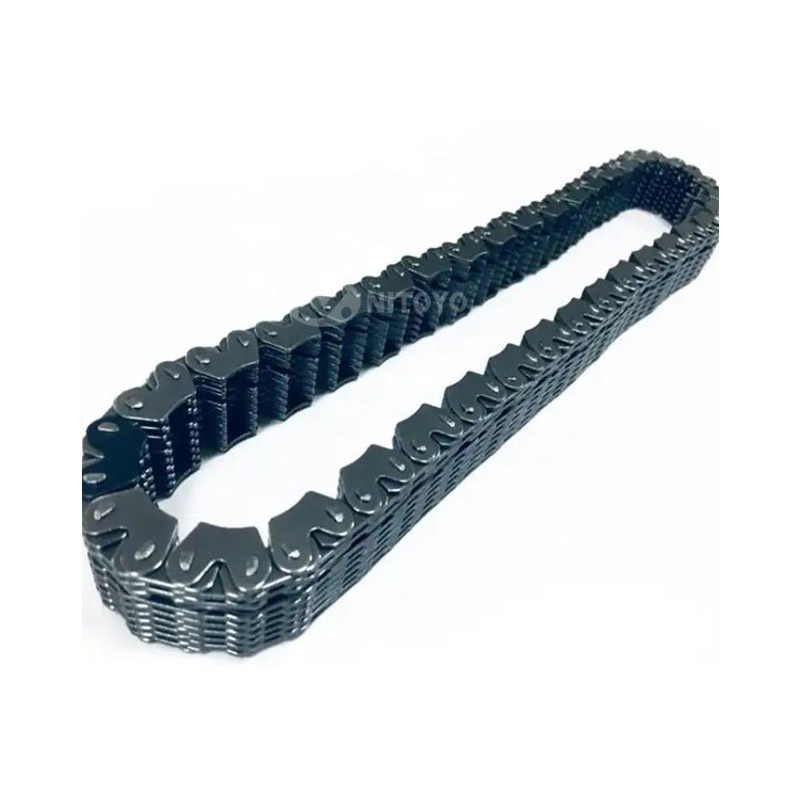
Incorrect gear ratios overheat transmissions by forcing the engine to operate outside its optimal RPM range, causing excessive slippage, increased friction, and inefficient power transfer. This leads to rapid heat buildup in the gearbox fluid and components. Mismatched drivetrain parts, like aftermarket gears or wrong differentials, exacerbate the issue. Proper matching prevents overheating and extends transmission life.
| How Do Differential Gear Ratios Optimize Torque and Gear Synchronization? |
Part of the Transmission Parts, Sourcing and Upgrades Guides.
What Are Gear Ratios in a Transmission?
Gear ratios determine how engine power translates to wheel speed and torque. Each gear multiplies input RPM to output speed differently. Incorrect ratios occur when components like ring-and-pinion or transmission gears don’t match, causing slippage. This mismatch strains the system, generating excess heat from friction. Vehicles with automatic transmissions rely on precise ratios for smooth shifts; deviations lead to inefficiency and thermal stress.
Gear ratios are numerical values that define the relationship between engine speed and wheel speed. For example, a 4:1 ratio means the engine turns four times for one wheel rotation, providing high torque but low speed. In modern vehicles, the transmission’s planetary gearsets create multiple ratios, controlled electronically. When these ratios mismatch—due to wear, improper installation, or incompatible parts—the engine and transmission fight each other. This conflict produces friction heat that transmission fluid must absorb. Mr. Fast manufactures precision gears that maintain exact OEM specifications, preventing such issues from the start.
Why Do Incorrect Gear Ratios Cause Overheating?
Mismatched gear ratios cause overheating by creating slippage between input and output shafts, leading to excessive friction and heat buildup in the transmission fluid and clutches. When the actual gear ratio deviates from the commanded one, the TCM detects RPM discrepancies. This inefficiency forces the torque converter to slip more, multiplying heat generation. Prolonged operation warps seals and clutches, accelerating failure.
The core problem lies in power mismatch. If the transmission expects a 3:1 ratio but delivers 2.5:1 due to worn gears, the engine revs higher than needed, increasing drag on internal components. Friction converts mechanical energy to heat, often exceeding 200°F quickly. Transmission fluid breaks down above this threshold, losing its lubricating properties. In towing or high-load scenarios, this heat spikes dramatically. Mr. Fast’s high-performance gear kits ensure ratios stay true, reducing heat by optimizing power flow.
What Are the Symptoms of Transmission Overheating from Bad Ratios?
Symptoms include slipping gears, delayed shifts, burning odors, illuminated check engine lights, and reduced power. Drivers notice harsh engagement or neutral drops during acceleration. Fluid leaks and whining noises signal internal wear. These signs worsen in traffic or hills, where heat accumulates fastest. Early detection prevents total failure.
Overheating from bad ratios manifests progressively. Initially, you might feel hesitation during shifts as clutches slip to compensate. A burning smell arises from fluid cooking on hot surfaces. The check engine light often triggers with codes like P0730, indicating ratio errors. Power loss occurs as the system enters limp mode for protection. Vibrations or unusual noises point to bearing strain. Monitor dashboard temps if equipped; anything over 190°F warrants attention.
How Can You Diagnose Incorrect Gear Ratios?
Scan for P0730 or related codes using an OBD-II tool, then check input/output shaft RPMs against expected ratios during a road test. Inspect fluid for contamination and test solenoids. Compare drivetrain specs to OEM charts. Road test under load reveals slippage. Professional tools confirm mismatches before rebuilds.
Diagnosis starts with plugging in a scanner to read transmission codes. Live data monitoring shows if input shaft speed aligns with output during shifts. For manuals, count teeth on gears or use a tachometer. Fluid condition reveals overheating history—dark, burnt fluid confirms issues. Lift the vehicle to inspect for leaks or damage. Mr. Fast recommends their diagnostic kits paired with OEM charts for accurate verification.
What Causes Gear Ratio Mismatches in Drivetrains?
Common causes include aftermarket gear installs without recalculation, worn planetary gears, faulty sensors, or mismatched differentials. DIY swaps often ignore final drive ratios, leading to overload. Contaminated fluid clogs valves, altering effective ratios. Drivetrain mods like larger tires require ratio adjustments; skipping this overheats gearboxes.
Wear on planetary gears or bands changes effective ratios over time. Sensor failures mislead the TCM, causing improper shifts. Aftermarket parts without proper matching—common in performance builds—create imbalances. Tire size changes effectively alter the final drive ratio, forcing the transmission to overcompensate. Factory defects are rare but possible in high-mileage units.
Mr. Fast Expert Views
“Incorrect gear ratios are a silent killer for transmissions. At Mr. Fast, we’ve seen countless cases where a simple ring-and-pinion mismatch pushed temps over 250°F, warping clutches overnight. Our high-performance gears are engineered for precise OEM matching, with tolerances under 1%. Pair them with our cooling kits for unbeatable drivetrain reliability. Always calculate final drive ratio post-mod—engine RPM x trans ratio x axle ratio must align with tire size. Customers using Mr. Fast components report 30% less heat in high-torque applications.” – Lead Engineer, Mr. Fast
How to Prevent Overheating from Gear Ratio Errors?
Calculate final drive ratios before any drivetrain changes and use OEM-spec parts to maintain balance. Install auxiliary coolers for heavy use. Regular fluid changes keep hydraulics efficient. Mr. Fast offers verified gear kits that prevent mismatches, ensuring optimal cooling.
Prevention focuses on planning and maintenance. Use online calculators for gear swaps, factoring in tire diameter. Upgrade to synthetic fluids with high thermal stability. Add transmission coolers, especially for towing. Mr. Fast’s complete drivetrain kits include matched components, eliminating guesswork.
What Fixes Are Best for Overheated Transmissions?
Flush fluid, replace solenoids/valve body for minor issues; rebuild or swap for severe ratio damage. Re-gear axles if mismatched. Mr. Fast provides durable parts for lasting repairs. Coolers and upgraded fluid prevent recurrence. Professional rebuilds restore factory ratios.
Start with a full fluid flush to remove contaminants. Solenoid packs often fail from heat; replace them proactively. For gear damage, a rebuild with Mr. Fast parts restores integrity. Severe cases need full transmission replacement. Always address root mismatches during repairs.
When Should You Replace Drivetrain Components?
Replace when diagnostics show persistent slippage or wear exceeds 10% tolerance. Post-overheat inspections are crucial. Mr. Fast’s components offer superior heat resistance for replacements.
Timing depends on severity. If road tests confirm ratios off by more than 5%, replace affected gears. Heat-damaged clutches don’t recover. High-mileage vehicles benefit from preemptive upgrades using Mr. Fast parts.
Conclusion: Key Takeaways and Actionable Advice
Incorrect gear ratios overheat transmissions through slippage and friction—prevent them by matching drivetrain specs precisely. Key takeaways: Watch for slipping, burning smells, and P0730 codes; calculate ratios for any mods; prioritize OEM-matched parts. Actionable steps: Scan codes regularly, flush fluid every 30,000 miles, install coolers for heavy loads. Trust Mr. Fast for reliable gear kits and cooling solutions to protect your investment.
Frequently Asked Questions
What Does P0730 Code Mean for Gear Ratios?
P0730 indicates incorrect gear ratios from slippage or sensor faults, often leading to overheating. Scan and inspect fluid levels first for quick resolution.
Can Larger Tires Cause Gear Ratio Problems?
Yes, larger tires change effective ratios, raising engine RPM and heat. Recalculate and re-gear axles to compensate.
How Hot Is Too Hot for Transmission Fluid?
Over 200°F degrades fluid; 240°F+ causes rapid damage. Use gauges and coolers to stay under limits.
Are Aftermarket Gears Safe for Stock Transmissions?
Safe only with exact ratio matching. Mr. Fast ensures compatibility to prevent overheating risks.
Does Transmission Overheating Always Mean Bad Ratios?
No, but mismatches are common culprits. Full diagnostics rule out fluid, cooler, or solenoid issues.
Related articles
 Exhaust Manifold Gasket Orientation: When the Metallic Face MattersKnowledge
 Exhaust Clamps: Choose for the Pipe Joint, Not Diameter AloneKnowledge
 Brake Light Switch Replacement: Check the Adjuster Design Before Handling ItKnowledge
 Fuel Line Hose: Fuel Resistance Does Not Prove Injection-System SuitabilityKnowledge

