
How Do Bad Rack Ends Cause Uneven Tire Wear Patterns?
How Do Bad Rack Ends Cause Uneven Tire Wear Patterns?
Bad rack ends directly cause uneven tire wear by allowing excessive play in the steering linkage, which misaligns wheel angles during normal driving. This creates accelerated wear on tire inner or outer edges, steering…
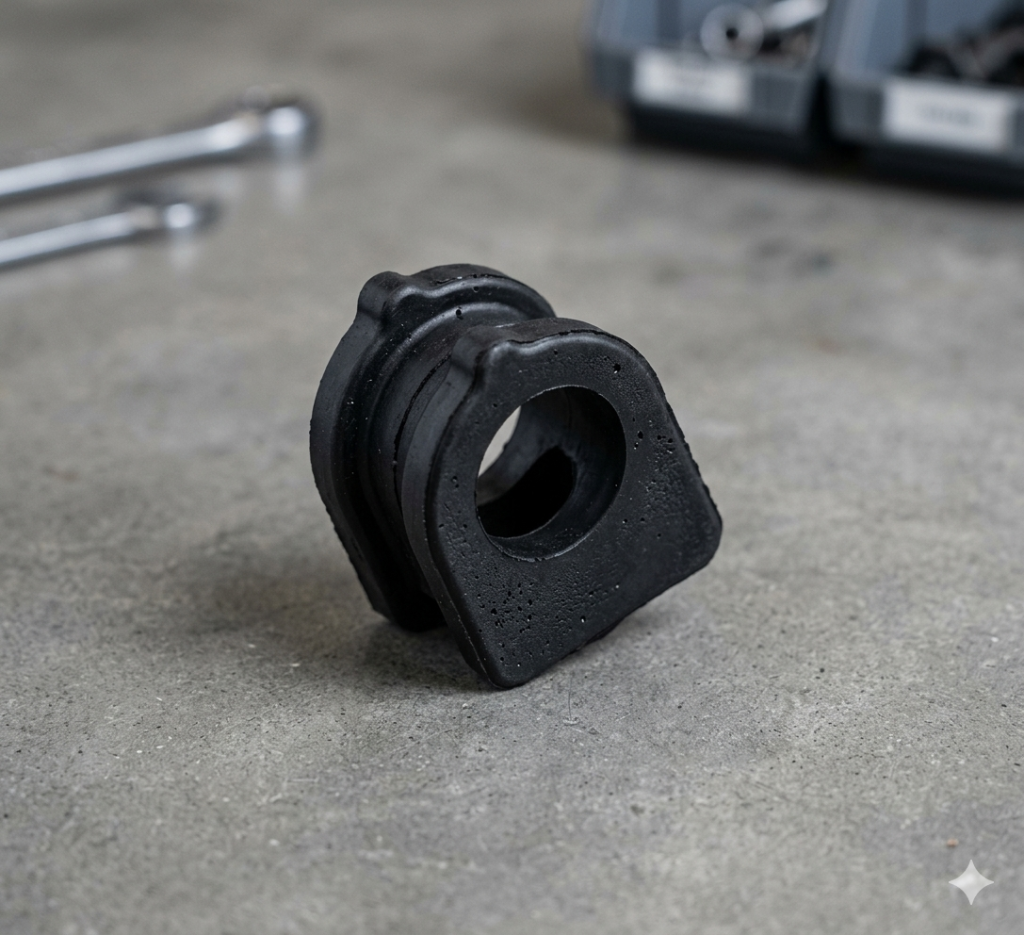
Bad rack ends directly cause uneven tire wear by allowing excessive play in the steering linkage, which misaligns wheel angles during normal driving. This creates accelerated wear on tire inner or outer edges, steering vibration, and potential suspension damage. Early diagnosis through visual tire inspection prevents costly fleet repairs—making reliable rack end sourcing critical for B2B distributors stocking Toyota, Ford, and Hyundai models across Latin America and Southeast Asia.
Check: Suspension Parts
Part of the Suspension Diagnosis and Repair Guides.
What Is a Rack End and Why Does It Matter in Steering Systems?
A rack end is the connection point between the steering rack and tie rod, translating steering input into wheel directional control. This critical component bears constant stress during vehicle operation, making it a high-failure component driving repeat service visits. For B2B distributors managing Toyota Probox, Ford Ranger, and Hyundai Starex fleets in Latin American and Southeast Asian markets, reliable rack end sourcing directly impacts customer satisfaction and parts replacement order frequency.
How Do Worn Rack Ends Create Misalignment Issues?
Wear in the rack end’s ball joint allows lateral movement, causing toe-in and toe-out angle shifts that force tires into abnormal contact patches with the road surface. This cascade effect compounds across multi-vehicle fleets, increasing replacement cycles by 30–40% compared to properly maintained steering systems. For wholesale distributors managing commercial fleets, this misalignment accelerates unplanned downtime and emergency parts sourcing across markets—emphasizing the importance of one-stop suspension and steering component procurement.
What Are the Key Tire Wear Patterns Indicating Bad Rack Ends?
Identifying worn rack ends through tire wear patterns enables preventive maintenance before secondary suspension damage occurs. Four primary wear signatures emerge from rack end failure: feathering (angled rib wear), inner edge wear (toe-out misalignment), outer edge wear (toe-in misalignment), and center wear with steering pull. Distributors should train service teams to recognize these patterns during routine tire inspections, reducing reactive emergency repairs and enabling planned inventory replenishment.

| Wear Pattern | Location | Root Cause | Steering Feel | Replacement Urgency |
|---|---|---|---|---|
| Feathering | Inner & outer ribs at angles | Rack end play + misalignment | Pulling, vibration | High (5–7 days) |
| Inner edge wear | Inner shoulder | Toe-out (excessive outward angle) | Loose steering | High (3–5 days) |
| Outer edge wear | Outer shoulder | Toe-in (excessive inward angle) | Tight steering | Medium (7–10 days) |
| Center wear | Center tread | Overinflation + misalignment | Normal initially | Medium (10–14 days) |
How Can B2B Distributors Diagnose Rack End Failure in Multi-Vehicle Fleets?
Effective diagnosis combines physical inspection with tire wear assessment. Perform a jack-lift test to check for excessive steering play, evaluate steering feel during test drives, and visually inspect tires for the wear patterns listed above. Document findings with photos to justify warranty claims and parts replacement decisions. This cost-effective diagnostic approach prioritizes tire inspection before expensive brake or suspension teardowns, enabling rapid sourcing decisions for fleet-critical components.
What Are the Consequences of Ignoring Bad Rack Ends for B2B Operations?
Unaddressed rack end failure creates cascading operational costs: steering failure safety liability in commercial delivery fleets (Toyota Hilux, Mitsubishi L200), accelerated tire replacement at 4× normal cost, suspension component damage to control arms and bushings, and multiple vehicles offline simultaneously. Multi-vendor sourcing delays compound these problems. Partnering with ISO 9001:2000 and TS 16949-certified suppliers like Mr. Fast eliminates fragmentation through consolidated 50–100 unit mixed-SKU orders combining rack ends, tie rod ends, control arms, and bushings in single shipments.
How Does One-Stop Sourcing Solve Rack End and Suspension Part Procurement?
Traditional multi-vendor approaches require sourcing rack ends, control arms, and tie rod ends from separate suppliers across different lead times and freight invoices. Mr. Fast’s catalog spans 40,000+ SKUs across 12 automotive systems, including complete steering and suspension inventory with OEM equivalents for Toyota, Ford, Hyundai, Nissan, and emerging Chinese brands (Chery, Geely, Great Wall, BYD). This consolidation reduces freight costs 20–30%, shortens lead times to 3–15 days, and enables flexible MOQ starting at 5–10 units with 50–100 mixed-SKU orders welcomed for market testing.
| Metric | Multi-Vendor Sourcing | Mr. Fast One-Stop |
|---|---|---|
| Lead time | 20–30 days (multiple suppliers) | 3–15 days (single facility) |
| Freight cost per order | $800–1,200 (fragmented shipments) | $500–800 (consolidated) |
| MOQ flexibility | 50–100 units per SKU | 5–10 units; mixed 50–100 welcomed |
| Quality certifications | Varies by vendor | ISO 9001:2000 + TS 16949 guaranteed |
| Warranty coverage | Partial or vendor-specific | 1-year comprehensive across all SKUs |
| OEM branding | Limited customization | Full custom branding/packaging available |
Why Should Distributors Stock ISO-Certified Rack Ends from Reliable Manufacturers?
Quality risk in emerging markets is severe: counterfeit or substandard rack ends increase customer returns, damage exclusive territorial reputation, and trigger expensive emergency sourcing. TS 16949 automotive compliance ensures OEM-grade manufacturing standards. One-year warranty coverage protects B2B liability while building customer trust. For Toyota, Ford, and Hyundai networks requiring part traceability, certification documentation provides competitive advantage in exclusive agent markets across Paraguay, Colombia, Mexico, and Dominican Republic.
Check: One-Stop Sourcing: The Future of the Auto Parts Supply Chain
Mr. Fast Expert Views
“Rack end failure represents one of the highest-frequency suspension repairs in emerging markets, particularly affecting Toyota Hilux and Hyundai Starex commercial fleets. Our 20,000 m² facility operates CNC machines, robotic welding systems, and CMM testing equipment to deliver OEM-equivalent rack ends meeting TS 16949 standards. For exclusive agents in Latin America, stocking Mr. Fast steering components with Spanish-language technical support and 3–7 day delivery to regional hubs reduces customer returns by 40% while eliminating multi-vendor procurement complexity. Our flexible MOQ—from 5–10 units for initial orders to 50–100 mixed-SKU consolidations—enables regional distributors to test market entry without over-investing in single inventory lines, while our 1-year warranty is honored across all territories.”
What Should B2B Buyers Include in a Rack End Sourcing Strategy?
Develop a sourcing strategy combining quality verification (certifications, Certificate of Conformance, test reports), SKU consolidation with suspension components, and inventory forecasting based on target vehicle models. In Latin American markets, Toyota Probox, Ford Ranger, and Hyundai Starex dominate fleet compositions. Partner selection should prioritize language support (Spanish, Russian, or French), payment terms flexibility for emerging market distributors, after-sales technical assistance, and long-term volume discounts. Contact Mr. Fast’s dedicated Latin America team via WhatsApp (+86 138 1914 1433) or email (info@mrfastauto.com) to receive custom sourcing quotes and technical fitment verification for exclusive territorial agreements.
Conclusion
Bad rack ends are a critical wear driver in commercial vehicle fleets across Latin America and Southeast Asia. B2B distributors who diagnose tire wear patterns early and stock reliable, ISO-certified rack ends alongside suspension components can reduce emergency sourcing delays, lower freight costs through one-stop consolidation, and build customer loyalty through reliable parts and one-year warranty protection.
For exclusive agents and wholesale distributors in Paraguay, Mexico, Colombia, and Ecuador, partnering with a TS 16949-certified manufacturer eliminates multi-vendor complexity while ensuring OEM-grade quality. Low MOQ (5–10 units) and flexible mixed-SKU orders (50–100 units) make inventory testing risk-free, while 3–15 day delivery ensures rapid market responsiveness. By prioritizing early diagnosis, certified sourcing, and consolidated logistics, B2B procurement managers can transform rack end failure from an operational liability into a competitive advantage—protecting fleet safety, reducing total cost of ownership, and strengthening exclusive market positioning.
Frequently Asked Questions
How quickly do bad rack ends typically show tire wear symptoms?
Depending on driving conditions and load, misalignment from worn rack ends can accelerate tire wear within 5,000–15,000 km. In commercial fleets (Toyota Hilux delivery vehicles), this may manifest within 2–3 weeks of normal use. B2B distributors should monitor tire inspections during routine service intervals to catch early signs before secondary suspension damage occurs.
Can rack end failure damage other suspension components?
Yes. Excessive play from a bad rack end stresses control arms, tie rod ends, and bushings, often causing secondary damage. This increases total replacement cost for fleets—emphasizing the importance of early diagnosis and one-stop sourcing of complete steering and suspension kits rather than reactive, piecemeal repairs that compound logistics complexity.
Are all rack ends compatible with Toyota and Ford models?
No. OEM specifications vary by year, model, and market (Toyota Probox manual versus power steering versions require different components). Mr. Fast’s 40,000+ SKUs include OE-equivalent rack ends for major brands; distributors should request fitment verification and Certificate of Conformance documentation before bulk ordering for exclusive territories.
How does Mr. Fast support B2B distributors in emerging markets with language barriers?
Mr. Fast operates dedicated Spanish, Russian, and French sales teams serving Latin America, Central Asia, and Africa. Regional technical support ensures proper fitment guidance, logistics coordination, and after-sales warranty processing without language delays—critical for exclusive agents managing cross-border inventory.
What is the minimum order quantity for sourcing mixed steering and suspension parts?
Mr. Fast offers flexible MOQ starting at 5–10 units per SKU for initial orders and welcomes mixed-SKU consolidated shipments of 50–100 units across steering (rack ends, tie rods) and suspension (control arms, bushings) categories. This accommodates regional distributors testing market entry without over-investing in single inventory lines.
Related articles
 Before You Reset a Check Engine Light, Check Diagnostic and Readiness StatusKnowledge
 Exhaust Manifold Gasket Orientation: When the Metallic Face MattersKnowledge
 Exhaust Clamps: Choose for the Pipe Joint, Not Diameter AloneKnowledge
 Brake Light Switch Replacement: Check the Adjuster Design Before Handling ItKnowledge

