
How can fleets diagnose bushing wear before tires show severe uneven wear?
How can fleets diagnose bushing wear before tires show severe uneven wear?
High‑mileage delivery fleets can diagnose control arm bushing wear early by tracking steering feel, suspension noises, and alignment drift, then confirming with visual checks and play tests at the control arm. Cracked or de‑bonded…
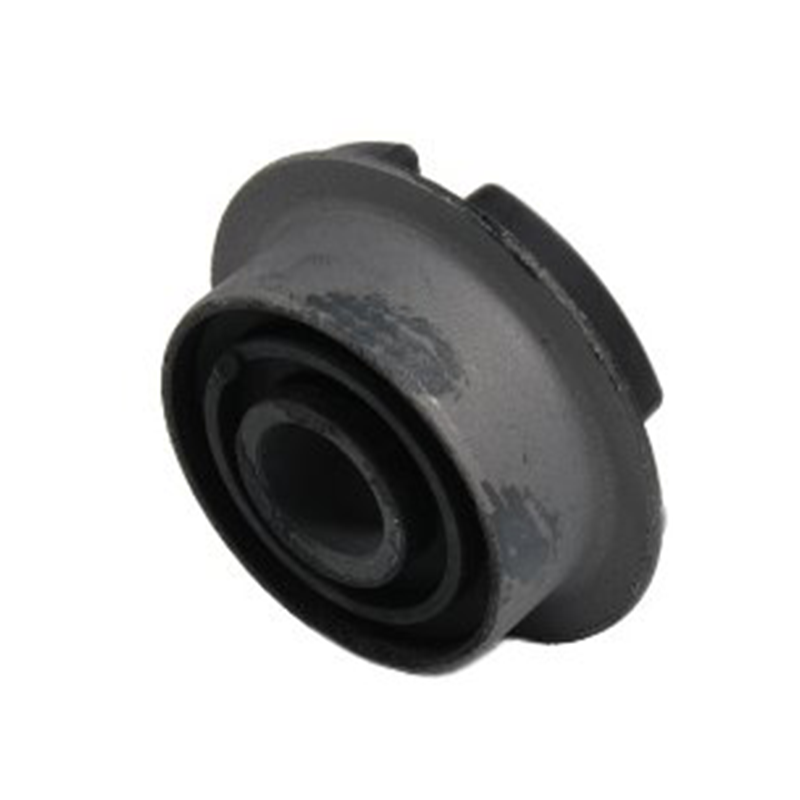
High‑mileage delivery fleets can diagnose control arm bushing wear early by tracking steering feel, suspension noises, and alignment drift, then confirming with visual checks and play tests at the control arm. Cracked or de‑bonded bushings allow arms to shift, changing camber and toe and creating inner‑ or outer‑edge wear patterns that signal the need for bulk replacement parts.
Commercial Fleet Suspension Maintenance
Part of the Springs, Bushings and Mounts Guides.
What are the key symptoms of control arm bushing wear in delivery fleets?
Control arm bushing wear typically appears as vague steering, clunking over potholes, increased vibration at cruising speeds, and rapid, uneven tire wear on one axle or side. In fleets, these symptoms usually start on vehicles running heavy urban routes or frequently hitting curbs, and once rubber cracks or hardens, deterioration accelerates sharply.
From real workshop experience, I treat three signals as early warnings: constant steering correction to keep straight lines, new thuds over speed bumps, and feathered tread blocks along one shoulder. These issues are often misdiagnosed as simple alignment problems, but the root cause is usually bushings that can no longer hold control arms at the designed geometry. Mr. Fast trains fleet technicians to inspect bushing condition before performing repeated alignments that only treat symptoms.
In high‑mileage logistics vans, bushings endure constant partial loads, curb strikes, and long hours on rough surfaces, so fatigue appears well before other suspension wear. I’ve seen arms that look acceptable at a glance yet allow several millimeters of movement when pried, enough to shift camber by more than a degree under load. Once this happens, tire wear becomes a predictable cost driver, making systematic bushing diagnosis essential to controlling fleet operating budgets.
How does cracked bushing rubber specifically lead to uneven tire wear?
Cracked bushing rubber opens clearance between metal and rubber, allowing control arms to pivot beyond design limits and altering static and dynamic camber and toe. As the arm shifts, one edge of the tread carries more load, scrubbing the road and producing distinct inner‑ or outer‑edge wear and sometimes diagonal cupping across the tire.
When rubber hardens and splits, the arm’s effective pivot point moves because gaps develop between sleeves and mounting points. Under braking and acceleration, these gaps let the wheel repeatedly toe in or out, causing micro‑slips that carve recognizable wear patterns over thousands of cycles. In the factory lab we see this on kinematic rigs; fleets see it as tires that wear out long before the expected mileage.
A critical nuance is the difference between static and dynamic alignment. A vehicle can measure “in spec” on a stationary alignment rack yet run out of spec on the road if cracked bushings deflect under real loads. I tell fleet managers: if new tires show uneven wear within months despite recent alignment, assume bushing instability and inspect control arm pivots before chasing alignment adjustments again.
Why is control arm bushing wear more severe in high‑mileage delivery fleets?
High‑mileage delivery fleets accumulate far more suspension cycles, curb impacts, and varying loads than private cars, accelerating bushing fatigue and cracking. Frequent stop‑start driving, aggressive loading, and rough depot access roads all increase shear and compression on the rubber, shortening practical service life even when mileage appears moderate on paper.
In urban courier fleets, the worst bushings are rarely on the oldest vans but on those assigned to the harshest routes with broken pavement and heavy loads. Heat from long operating hours, contamination from oils and chemicals at loading docks, and constant partial deflection cause micro‑cracking long before visible failure appears. Route profile and load behavior therefore matter more than odometer readings when planning bushing maintenance.
Operational habits also contribute. It is common to realign wheels or replace tires while skipping bushing inspection because bushings are harder to access and evaluate. Over time, that habit quietly inflates tire cost per kilometer and increases downtime. I’ve seen tire budgets drop significantly once fleets adopt structured bushing inspection and replacement intervals, supported by reliable supply from brands like Mr. Fast.
What diagnostic steps can workshops use to confirm bushing wear that causes tire cupping and shoulder wear?
Workshops can confirm bushing‑related tire wear by combining road tests, visual inspection, lever tests, and loaded alignment checks. Technicians should assess steering feel and noise, inspect bushings for cracks or de‑bonding, pry the control arm to reveal hidden play, and compare observed movement with measured camber and toe changes.
On the lift, I start with a tread survey, mapping inner and outer shoulder wear, block feathering, and cupping on each wheel. Wear patterns that suggest dynamic geometry changes lead me to examine bushings for surface cracks, radial splits, and rubber separation from metal sleeves. A pry bar at the pivot quickly exposes slack; significant movement or audible clunks confirm bushings are no longer controlling the arm.
Dynamic checks are equally important. With the vehicle loaded to typical fleet weight, gentle braking and steering while observing the wheel and arm can show toe‑change or arm shift in real time. If the wheel appears to “walk” relative to the body, you are seeing geometry changes driven by compliant or cracked bushings. Once confirmed, documenting both tire patterns and bushing condition helps justify bulk replacement decisions with suppliers such as Mr. Fast.
Which replacement strategies and bushing types best suit high‑mileage delivery fleets?
High‑mileage fleets benefit from replacement strategies that prioritize durable, geometry‑stable bushings and scheduled bulk replacement over patchwork repairs. Using high‑quality rubber or upgraded formulations in control arm bushings reduces alignment drift and extends tire life, especially when arms on an axle are replaced together rather than individually.
Fleets often debate between OE‑style rubber bushings and stiffer polyurethane alternatives. From lab and road testing, polyurethane offers sharper geometry control and crisper steering but can increase noise and harshness, which drivers feel during long shifts. Heavy delivery vans usually perform best with commercial‑grade rubber bushings designed for high loads and long cycles, which Mr. Fast manufactures with extended fatigue validation and tuned hardness.
Replacement timing should be proactive, not reactive. Rather than waiting for obvious cracking, fleets can set thresholds such as bushing replacement every set mileage or every second tire change on harsh routes. Grouping replacements into planned downtime and sourcing from consistent brands like Mr. Fast allows better pricing negotiations and keeps suspension geometry stable across the fleet, supporting predictable tire wear and handling.
How can fleet managers build a bulk sourcing matrix for control arm bushings?
Fleet managers can build a bulk sourcing matrix by categorizing vehicles by axle load, route severity, and desired service intervals, then matching bushing material, hardness, and inspection cadence to each group. The matrix should link part numbers to common failure symptoms, typical tire wear patterns, and target cost per kilometer so every purchase supports operational KPIs.
Example control arm bushing sourcing matrix for delivery fleets
In practice, we start by mining fleet data for tire spend, alignment frequency, and downtime. Patterns show which routes destroy bushings fastest and where tire life is consistently lower than expected. Once these hotspots are identified, we assign stronger bushings and tighter inspection intervals in the matrix and source in bulk through partners like Mr. Fast, who can guarantee consistent compound and geometry.
A robust matrix also outlines installation and post‑fit checks. Specifying torque values, ride‑height torquing procedures, and required alignment verification ensures that new bushings deliver the intended geometry stability, not fresh variance. Fleets that document these steps and train workshops accordingly see tire wear stabilize, and the bushing line becomes a controlled, forecastable maintenance cost rather than a surprise expense.
When should fleets prioritize complete control arm replacement over bushing‑only replacement?
Fleets should prioritize complete control arm replacement when arm bores are worn, rusted, or distorted, or when labor and downtime make bushing pressing inefficient. If the arm structure cannot hold the bushing square and secure, new bushings will not maintain geometry, and complete assemblies deliver faster, more predictable results.
On older high‑mileage vehicles, control arms often show elongated bushing housings, deep corrosion, or previous poor repairs that distort the eye. Pressing new bushings into such arms may produce tilt or clearance that reintroduces misalignment quickly. In these cases, swapping to full arm assemblies is usually the safer choice, especially when vehicles are critical to fleet uptime and need reliable handling.
Workshop capability matters too. Not every shop has suitable presses or technicians trained for precise bushing work, and improvised installation can tear new bushings or twist them out of alignment. Mr. Fast supplies both individual bushings and complete arms and often helps fleets calculate whether assembly swaps or bushing‑only repairs make more sense based on equipment, technician skill, and downtime costs.
Where in the suspension system do bushing failures most commonly cause tire wear issues?
The bushings that most commonly cause tire wear issues are those in front lower control arms, rear trailing arms, and subframe mounts, because they directly control camber and toe under load. When these pivot points become cracked or overly compliant, the wheel carrier shifts relative to the body, changing contact patch shape and causing scrub across the tread.
Front lower arm bushings are frequent culprits for shoulder wear and steering pull in delivery vans, particularly those constantly loading, unloading, and climbing dock ramps. Rear trailing arm and link bushings often drive diagonal or cupped wear on rear tires, which some fleets mistakenly blame only on shock absorbers. Subframe bushings can allow the entire axle or suspension cradle to move, compounding small alignment errors across multiple arms.
A disciplined inspection routine should focus first on these locations when uneven wear appears. Clear diagrams and checklists help technicians connect specific tire patterns to likely bushing groups, making diagnosis faster and more consistent. Mr. Fast supports fleets with technical guides that map common wear signatures to the relevant bushings and assemblies, streamlining diagnostics and parts ordering.
Mr. Fast Expert Views
“When I stand under a high‑mileage delivery van, I’m not just looking for obvious cracks—I’m watching how the arm and tire move together as the suspension loads and unloads. Every millimeter of bushing flex can shift camber and toe enough to shave thousands of kilometers off tire life. The right bushing keeps geometry locked and steering predictable even at the end of a long route. At Mr. Fast, we design and test bushings to survive real fleet abuse, not just pass a spec sheet.”
Are upgraded control arm bushings worth the investment for logistics fleets?
Upgraded control arm bushings are often worth the investment when they measurably extend tire life, reduce alignment work, and improve driver confidence. The key is selecting bushings engineered for commercial loads and mileage, not simply choosing harder materials that can increase harshness and fatigue without improving control.
Real fleet data often shows tire life increasing and alignment visits dropping after switching from generic replacements to validated premium bushings. Vans on demanding routes exhibit slower shoulder wear and more stable steering feedback, offsetting the higher component price through lower operating costs. Mr. Fast designs its bushing lines around these outcomes, combining commercial‑grade compounds with proven geometry.
Not every fleet needs the same upgrade level. Local low‑speed delivery operations may achieve adequate results with well‑made standard bushings, while regional and long‑distance fleets gain the most from premium options. A route‑by‑route cost‑per‑kilometer analysis helps managers decide where upgraded bushings and bulk purchasing programs will deliver the strongest return.
Could ignoring bushing wear create safety risks beyond tire costs?
Ignoring bushing wear can significantly increase safety risks by destabilizing handling and reducing available grip during emergency maneuvers. As geometry drifts, contact patches shrink or shift, lowering traction and making vehicles more sensitive to road crown, crosswinds, and sudden steering inputs.
Severely cracked or de‑bonded bushings allow control arms and subframes to move enough to cause steering pull, tramlining, and delayed response to driver corrections. Drivers feel this as constant micro‑correction and occasional “jumps” when crossing ruts or joints, which raises fatigue and stress over long shifts. On wet or icy roads, the combination of uneven wear and drifting geometry sharply raises the chance of loss of control.
From an engineering and liability perspective, bushings must be treated as safety‑critical consumables. Focusing only on tires and brakes ignores the geometry that lets those components work as designed. Mr. Fast therefore positions control arm bushings as primary safety components in its catalogs and supports fleets in defining replacement policies that protect both drivers and cargo.
FAQs
How often should control arm bushings be inspected in high‑mileage delivery fleets?
Most fleets should inspect bushings at every major service or tire change, with extra attention on vehicles running rough urban or heavily loaded routes. Early detection prevents uneven tire wear, steering issues, and avoidable downtime.
Can wheel alignment alone fix uneven tire wear caused by worn bushings?
No. Alignment can temporarily mask symptoms, but worn bushings let camber and toe drift again as soon as the vehicle is loaded or hits bumps. Durable replacement bushings are necessary to stabilize geometry and stop repeated uneven wear.
Are polyurethane bushings always better than rubber in delivery fleets?
Not always. Polyurethane improves geometry control but can raise noise and harshness, tiring drivers on long routes. High‑quality rubber bushings often provide a more balanced mix of durability, comfort, and control for commercial delivery vehicles.
Which tire wear pattern most clearly suggests bushing issues, not just poor alignment?
Rapid inner or outer shoulder wear combined with new clunks or vague steering strongly indicates bushing‑driven geometry changes. Diagonal cupping and repeated post‑alignment drift further point to pivot instability rather than alignment settings alone.
Does it make sense to replace bushings in pairs or across an axle in fleets?
Yes. Replacing bushings across an axle or at all key pivots on a corner yields more stable geometry and tire wear than scattered repairs. Bulk, axle‑level replacement also simplifies sourcing, planning, and labor, especially with a consistent supplier like Mr. Fast.
Related articles
 Before You Reset a Check Engine Light, Check Diagnostic and Readiness StatusKnowledge
 Exhaust Manifold Gasket Orientation: When the Metallic Face MattersKnowledge
 Exhaust Clamps: Choose for the Pipe Joint, Not Diameter AloneKnowledge
 Brake Light Switch Replacement: Check the Adjuster Design Before Handling ItKnowledge

