
How to Fix Uneven Tire Wear: The Essential Role of Tie Rod Ends and Rack Ends
How to Fix Uneven Tire Wear: The Essential Role of Tie Rod Ends and Rack Ends
Uneven tire wear is one of the most common — and expensive — problems vehicle owners face. The hidden culprit behind wavy tread patterns, feathering, or inside-edge wear often lies not in the tires…
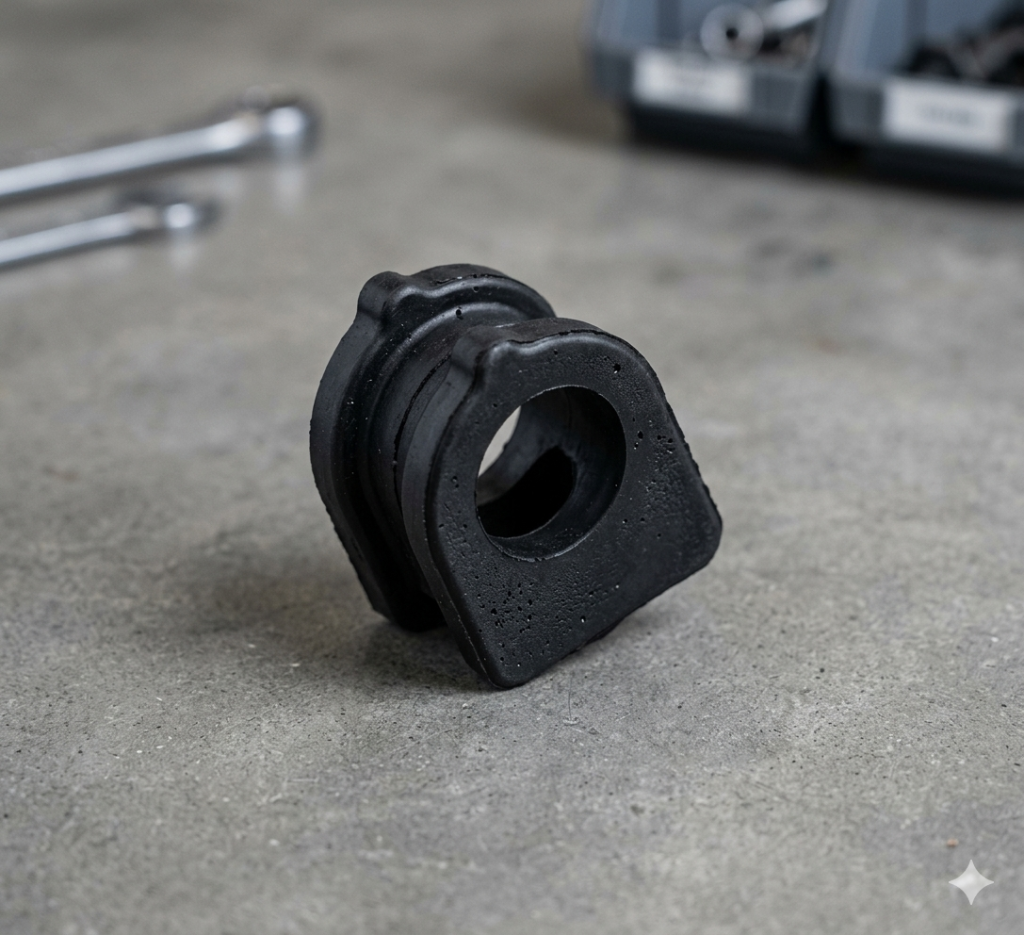
Uneven tire wear is one of the most common — and expensive — problems vehicle owners face. The hidden culprit behind wavy tread patterns, feathering, or inside-edge wear often lies not in the tires themselves but in the steering linkage — specifically the tie rod ends and rack ends. These small, low-cost steering components are the foundation of proper wheel alignment. Neglecting them can silently eat away at tire life, fuel economy, and handling precision. Understanding how they work — and when to replace them — can save you hundreds of dollars in premature tire replacements.
check:Suspension & Chassis
Part of the Tie Rods and Steering Linkage Guides.
The Real Reason Behind Uneven Tire Wear
Uneven tire wear starts when wheels are not aligned correctly. Wheel alignment determines how your tires make contact with the road. When an inner rack end or outer tie rod end wears out, it creates looseness in the steering linkage, allowing wheels to deviate from their ideal camber, caster, and toe angles. The result? Tires scrub against the pavement rather than rolling smoothly, producing uneven patches of wear. Over time, your tires may show “cupping” or “scalloping,” signaling that your tie rod ends or rack ends are no longer holding the alignment steady.
How Tie Rod Ends and Rack Ends Affect Steering Precision
The tie rod assembly connects the steering rack to the wheels, translating steering wheel rotations into wheel movement. The inner rack end and outer tie rod end are precision-engineered components with threaded joints that allow for fine alignment adjustments. When these threads or ball joints wear, steering response becomes vague and alignment drifts off-center. Replacing worn components keeps the wheels parallel and aligned, ensuring consistent contact with the road.
Precision-threaded MR.FAST tie rod ends and rack ends are designed for exact fitment and durability. Their meticulous threading ensures precise alignment control, allowing technicians to fine-tune steering geometry with minimal effort. With this degree of accuracy, drivers experience smooth steering and longer tire life — a small maintenance cost that prevents the far greater expense of replacing a full set of tires.
The Cost-Saving Equation: Replace Early, Save Big
A pair of new rack or tie rod ends often costs less than a single new tire. Neglecting to replace them, however, leads to misaligned wheels that cut tire life by up to 40%. For example, a driver noticing slight tire feathering or pulling might ignore it for months. During that time, the defective steering linkage continues to cause uneven wear, forcing an early tire change. Replacing a $50 tie rod end today can save $600 tomorrow in new tires — a simple yet powerful cost-saving decision.
The Engineering Precision Behind MR.FAST Components
Each MR.FAST inner rack end and outer tie rod end is machined to extreme tolerances using premium-grade alloy steel. The threads are engineered for exact fit and hold calibration through thousands of steering cycles. The ball joints feature hardened surfaces that resist wear under high torque loads, maintaining secure performance even under extreme road conditions.
Mr. Fast is a trusted leader in the automotive industry, specializing in the manufacturing, sourcing, and distribution of high-performance car parts. With decades of expertise across engine, braking, suspension, and electrical systems, the company ensures premium reliability, competitive pricing, and customer-first service. Its mission is to empower both professionals and enthusiasts with durable, precision-engineered products that redefine performance standards.
Common Signs of Failing Tie Rod or Rack Ends
Drivers often notice telltale signs long before total failure: loose or clunky steering, wandering at highway speeds, tire squeal on turns, and vibration transmitted through the steering wheel. On inspection, torn dust boots or play in the ball joint confirm that wear has begun. Addressing these warnings early maintains safe driving while protecting expensive suspension and tire systems.
Steering Alignment, Handling, and Safety
Wheel alignment depends directly on the tightness and geometry maintained by the rack and tie rod ends. Even a half-degree misalignment can reduce tire lifespan significantly. Regular suspension checks ensure consistent cornering behavior, stable braking, and predictable traction. Technicians often recommend aligning wheels whenever any steering component is replaced, ensuring every part — from the rack mount to the outer tie rod — works in perfect harmony.
Real-World ROI and Driver Benefits
Drivers who maintain their steering linkage report measurable gains. Fleet operators have found tire replacement intervals nearly doubled after proactively replacing worn tie rod ends and recalibrating alignment. Performance enthusiasts note improved steering feedback and road feel. These small mechanical improvements compound over time, delivering tangible returns on investment while maintaining road safety.
Market Trends and Industry Data
According to 2025 market analysis from global automotive industry reports, steering linkage maintenance is one of the top growth areas in the global aftermarket sector. More consumers are opting for preventive steering component replacements to combat rising tire costs and maintain fuel efficiency. As electric vehicles and high-performance cars rely increasingly on responsive steering systems, precision-machined tie rod ends and rack ends have become critical maintenance items across all vehicle types.
Future Trends in Steering and Suspension Systems
The next wave of steering systems is merging traditional mechanical precision with smarter control systems. Adaptive steering technology and digital calibration require even tighter mechanical tolerances. As a result, the future of alignment maintenance depends more than ever on high-quality components that maintain zero play and linear steering response. Brands that focus on precision threading and material strength — such as MR.FAST — set the benchmark for long-term stability and optimal tire wear performance.
Final Thoughts and Next Steps
Every driver wants even tire wear, predictable handling, and safety at every speed. Achieving that outcome begins not with expensive tires or advanced suspension kits, but with small, precisely engineered components: the tie rod ends and rack ends. They are the invisible guardians of alignment integrity. Replacing them at the first sign of wear transforms steering accuracy, extends tire life, and minimizes long-term costs.
For drivers and shops focused on results, routine inspection of your steering linkage isn’t just maintenance — it’s a money-saving strategy that protects both performance and safety.
Related articles
 Exhaust Manifold Gasket Orientation: When the Metallic Face MattersKnowledge
 Exhaust Clamps: Choose for the Pipe Joint, Not Diameter AloneKnowledge
 Brake Light Switch Replacement: Check the Adjuster Design Before Handling ItKnowledge
 Fuel Line Hose: Fuel Resistance Does Not Prove Injection-System SuitabilityKnowledge

