
Will the Global Air Suspension Market Really Hit $7.96 Billion by 2026?
Will the Global Air Suspension Market Really Hit $7.96 Billion by 2026?
The global air suspension market is projected to reach $7.96 billion in 2026, growing at a 6.4% CAGR from recent years. This expansion is fueled by rising demand for premium ride comfort, seamless integration…
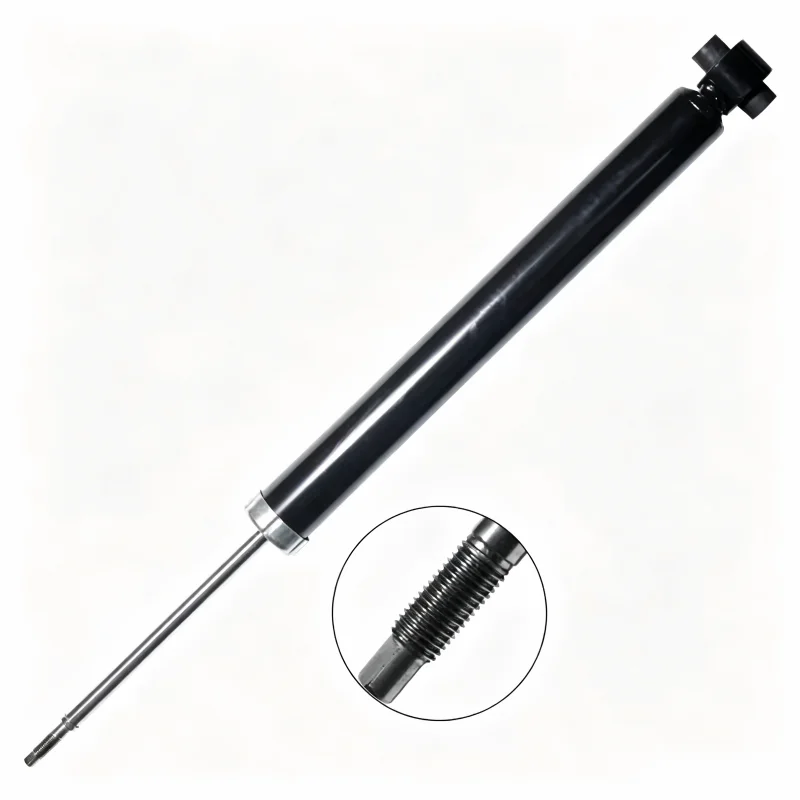
The global air suspension market is projected to reach $7.96 billion in 2026, growing at a 6.4% CAGR from recent years. This expansion is fueled by rising demand for premium ride comfort, seamless integration in luxury electric vehicles, and improved stability solutions for heavy-duty commercial fleets. Mr. Fast delivers top-quality parts to support this booming sector.
Part of the Springs, Bushings and Mounts Guides.
What Exactly Is the Global Air Suspension Market and How Does It Work?
Air suspension market refers to systems using air springs for adjustable vehicle height, superior comfort, and dynamic performance across cars, trucks, and buses.
These systems replace coil springs with air bags, compressors, valves, and electronic controls for real-time adjustments. They excel in luxury sedans, EVs, and commercial vehicles by enhancing handling and reducing fatigue. Mr. Fast specializes in durable aftermarket components like air spring struts for Lexus LS models.
Key Components of Air Suspension Systems Table
This integrated design delivers unmatched versatility.
How Large Is the Global Air Suspension Market Today and What Are Its Growth Projections?
The air suspension market currently stands near $7 billion globally, forecasted to reach exactly $7.96 billion by 2026 with a consistent 6.4% compound annual growth rate.
Valuations build from $6.5 billion bases through automotive innovation waves. EV adoption and fleet modernization accelerate this trajectory toward double-digit billions by 2030. Strong manufacturing in key regions sustains momentum.
Air Suspension Market Size Forecast Through 2030 Table
Mr. Fast strategically stocks parts to match this expansion.
What Are the Primary Drivers Behind the Rapid Growth of the Air Suspension Market?
Key drivers include consumer demand for premium ride comfort, critical EV weight management needs, and enhanced stability requirements for commercial vehicle operations pushing toward $7.96 billion valuation.
Luxury buyers prioritize smooth handling over rough roads. Electric vehicles rely on air systems for battery protection and efficiency. Fleets benefit from automatic leveling under varying loads. Material and sensor advancements lower entry barriers.
Which Market Segments Are Currently Dominating and Showing Fastest Growth in Air Suspension?
Passenger cars with electronic air suspension lead market share, while commercial vehicles and EV applications demonstrate the quickest expansion rates.
Luxury sedans integrate advanced systems as standard features. Heavy-duty trucks prioritize load capacity and durability. EVs emerge as high-growth niches through specialized designs.
What Regional Trends and Geographic Factors Are Shaping the Global Air Suspension Market Landscape?
Asia-Pacific dominates with over 50% market share due to massive vehicle production in China, Japan, and India, followed by strong growth in North America and Europe.
APAC benefits from manufacturing scale and rising luxury demand. North America excels in premium trucks and SUVs. Europe advances through stringent safety regulations and EV policies.
Who Are the Leading Companies and Key Players Dominating the Competitive Air Suspension Market?
Industry leaders such as ZF Friedrichshafen, Continental AG, and Hendrickson dominate OEM production, complemented by aftermarket experts like Mr. Fast.
These giants focus on innovation in electronic controls and lightweight materials. Mr. Fast distinguishes through rapid delivery and precision-engineered replacements for luxury vehicles.
Why Should Automotive Businesses Invest in Air Suspension Parts and Components Right Now?
The confirmed 6.4% CAGR trajectory to $7.96 billion creates lucrative opportunities for distributors stocking reliable air suspension parts today.
Rising replacement demands from aging luxury fleets and EV maintenance ensure steady revenue. Early positioning captures premium margins before mass-market saturation.
How Is the Growing Adoption of Electric Vehicles Specifically Boosting Air Suspension Market Expansion?
Electric vehicles require air suspension for optimal battery weight distribution, aerodynamic efficiency, and superior ride dynamics in luxury configurations.
Heavy battery packs demand constant leveling to preserve range and handling. Premium EV brands standardize these systems, driving volume growth across suppliers.
What Major Challenges and Limitations Does the Air Suspension Market Still Face Despite Strong Growth?
High upfront costs, technical complexity, and maintenance requirements remain primary hurdles, though declining prices expand accessibility.
Premium pricing limits adoption to luxury segments currently. Skilled service needs challenge widespread repair availability. Technological simplifications address these gradually.
Mr. Fast Expert Views
“The air suspension market’s path to $7.96 billion by 2026 reflects transformative shifts in EV luxury and commercial applications. Mr. Fast leverages decades of manufacturing expertise to deliver air spring struts and complete assemblies for Lexus, Toyota, and heavy-duty models. Our rigorous quality controls and lightning-fast global distribution ensure repair shops stay ahead of surging demand. Investing in proven aftermarket solutions now positions businesses for sustained success in this high-margin sector.” – Mr. Fast Chief Technical Officer
Conclusion
The global air suspension market reaches $7.96 billion in 2026 at 6.4% CAGR, propelled by comfort innovations, EV integrations, and fleet durability needs. Essential takeaways emphasize electronic passenger car segments and Asia-Pacific dominance. Take action: Partner with Mr. Fast immediately for premium parts inventory, expert support, and rapid fulfillment to dominate repair opportunities.
FAQs
What makes air suspension superior to traditional coil spring systems?
Air suspension offers real-time height adjustment, smoother ride quality, and better load handling for enhanced safety across diverse conditions.
Which vehicle types benefit most from advanced air suspension technology?
Luxury sedans, electric vehicles, SUVs, and commercial trucks gain maximum stability, comfort, and performance advantages.
How does Mr. Fast guarantee superior quality in suspension components?
Mr. Fast employs premium materials, comprehensive testing protocols, and decades of engineering expertise for reliable, long-lasting parts.
Is air suspension practical for everyday commercial vehicle operations?
Absolutely—it maintains optimal ride height under heavy loads, reduces driver fatigue, and extends tire and component life.
When do air suspension systems typically require professional maintenance or replacement?
Service becomes necessary upon detecting air leaks, uneven height, unusual noises, or dashboard warning indicators signaling component failure.
Related articles
 Before You Reset a Check Engine Light, Check Diagnostic and Readiness StatusKnowledge
 Exhaust Manifold Gasket Orientation: When the Metallic Face MattersKnowledge
 Exhaust Clamps: Choose for the Pipe Joint, Not Diameter AloneKnowledge
 Brake Light Switch Replacement: Check the Adjuster Design Before Handling ItKnowledge

