
Why Engine Vibration Can Get Worse After a Mount Replacement
Why Engine Vibration Can Get Worse After a Mount Replacement
If cabin vibration is stronger immediately after an engine mount replacement, the repair created a useful before-and-after clue. The new mount may be preloaded because the powertrain was not neutral when the fasteners were…
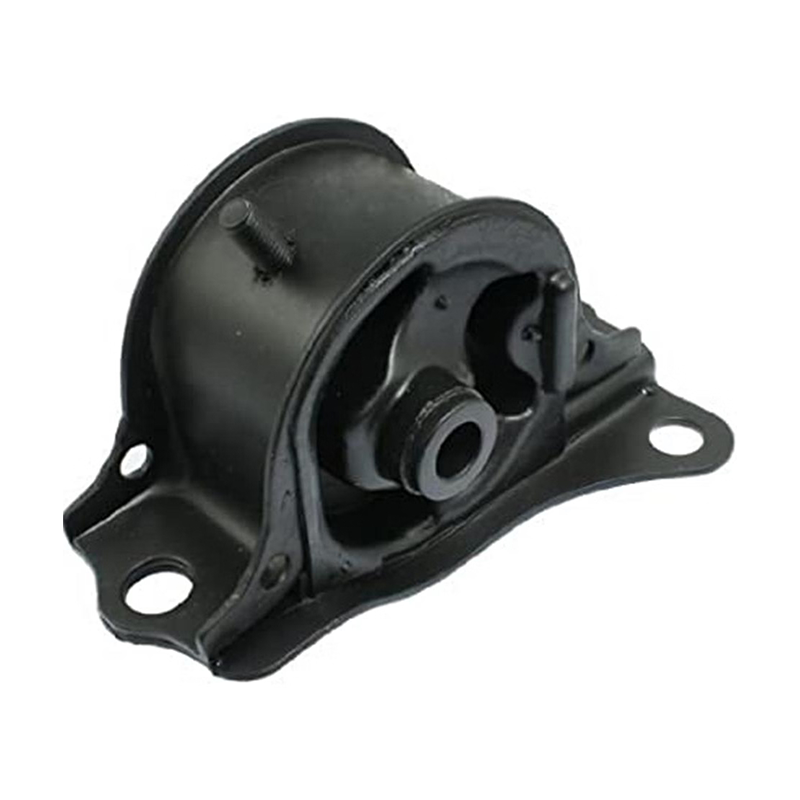
A new part can also feel firmer than a collapsed old mount without being defective. The key is to distinguish an expected change in isolation from a new harsh vibration, noise or contact that follows engine speed or load.

Part of the Engine Components and Systems Explained Guides.
Start with the new condition, not a generic symptom list
Record when the vibration changed: at idle in gear, idle in neutral, a narrow engine-speed range, acceleration, deceleration or only with an accessory load. Then compare it with the condition that led to the repair. If the original thump disappeared but a steady idle buzz appeared, the mount system is behaving differently rather than simply “still bad.”
Check whether the vibration is felt through the seat, steering wheel, floor or body panel and whether a new noise accompanies it. These observations do not identify the failed part by themselves, but they help reproduce the issue and separate engine-speed vibration from road-speed or wheel-related vibration.
Mount preload can create a new path into the body
Engine and transmission mounts work as a system. If the powertrain is held slightly out of its intended resting position while the mounts are secured, the rubber can remain twisted or displaced at rest. That preload can transmit more vibration into the body.
A NHTSA-hosted service bulletin on noise repair techniques discusses engine-mount neutralization and mount binding in its covered applications. It supports the mechanism and the need for a defined service procedure. It does not authorize one universal sequence for every vehicle. Follow the current service information for the exact model, engine, transmission and drivetrain.
One replaced mount may not be the full repair scope
Replacing only the visibly damaged mount can shift load to another worn or application-linked component. GM TechLink documented engine vibration after mount replacement on specified GM vehicles where additional catalog-required parts were part of the repair. That example shows why package and catalog scope matter: “replace the engine mount” may not mean one isolated rubber component for every application.
This does not mean every vehicle needs all mounts replaced as a set. It means the technician should check the service plan, parts catalog notes and condition of the other mounts rather than apply a universal one-part or all-parts rule.
Four branches of the diagnosis
1. Confirm exact fitment and construction
Verify the full part reference against the VIN/chassis result, engine, transmission, drivetrain, production range and mount position. Left/right wording can be ambiguous across catalogs; use the vehicle-relative position and mounting diagram. Compare brackets, bolt-hole locations, offsets, studs and supplied components. A part that bolts in can still belong to another configuration.
2. Check the installed resting position
Inspect for visibly twisted rubber, a mount pulled to one side of its available travel or brackets that only align under force. Use the prescribed support and neutralization procedure for the vehicle. Do not loosen load-bearing mounts or work beneath an unsupported powertrain based on a general article.
3. Look for hard contact
Fresh witness marks can expose an exhaust pipe, heat shield, intake duct, hose, bracket or powertrain component touching the body. A small clearance at rest may close when the engine rocks under load. Confirm safe clearance using the service procedure rather than moving parts by hand near a running engine.
4. Revisit the original diagnosis
An ignition or fueling problem can produce an uneven engine that no mount can isolate completely. Accessory, exhaust and driveline problems can also transmit vibration. If the engine itself runs differently after the repair, scan data, fault codes and basic engine condition may deserve attention before another mount is ordered.
Evidence to collect before condemning the new mount
- vehicle VIN/chassis, engine, transmission and drivetrain;
- exact position and full number of every replaced component;
- whether brackets, stops, bolts or companion mounts were included;
- the operating condition that reproduces the vibration;
- photos of mount alignment and any contact marks with the engine off;
- the service-information revision used for installation.
This record lets a seller or technician compare an actual configuration instead of debating whether a generic “front engine mount” should feel soft or firm. MR.FAST’s 50830-T1W-A02 listing and 12372-0T330 listing, for example, represent different references and application records; neither is evidence for another vehicle merely because both are called engine mounts.
Questions that change the next action
Is more vibration normal with a brand-new mount?
A new mount can feel different from a collapsed or fluid-leaking old mount. Strong new harshness, binding, impact noise or vibration linked to an installation change still deserves inspection. “New mounts are stiffer” is not a diagnosis.
Can one wrong bracket cause vibration even if the rubber mount is correct?
Yes. Bracket offset and installed geometry affect powertrain position and mount load. Confirm what is included with the part and which bracket the vehicle catalog specifies.
Should every mount be replaced together?
There is no universal rule. Use the exact vehicle service plan, catalog notes and condition of the remaining mounts. The GM example cited above is limited to its listed applications and should not be generalized to all vehicles.
What if the vibration changes when shifting into Drive or Reverse?
That load change is useful diagnostic evidence because the powertrain reacts in different directions. Record the condition for a qualified technician; do not infer one mount position from the direction of the cabin vibration alone.
The repair is ready for judgment when the application, installed geometry, companion parts and contact clearances are all accounted for. Until then, replacing the new mount again may repeat the same vibration with a second part.
Related articles
 Before You Reset a Check Engine Light, Check Diagnostic and Readiness StatusKnowledge
 Exhaust Manifold Gasket Orientation: When the Metallic Face MattersKnowledge
 Exhaust Clamps: Choose for the Pipe Joint, Not Diameter AloneKnowledge
 Brake Light Switch Replacement: Check the Adjuster Design Before Handling ItKnowledge

