
What Is the Difference Between a Drive Shaft and a Steering Rack?
What Is the Difference Between a Drive Shaft and a Steering Rack?
In today’s automotive repair world, understanding the difference between a drive shaft and a steering rack is vital for performance, safety, and efficiency. Mr. Fast provides precision-engineered components that help ensure smooth power transmission…
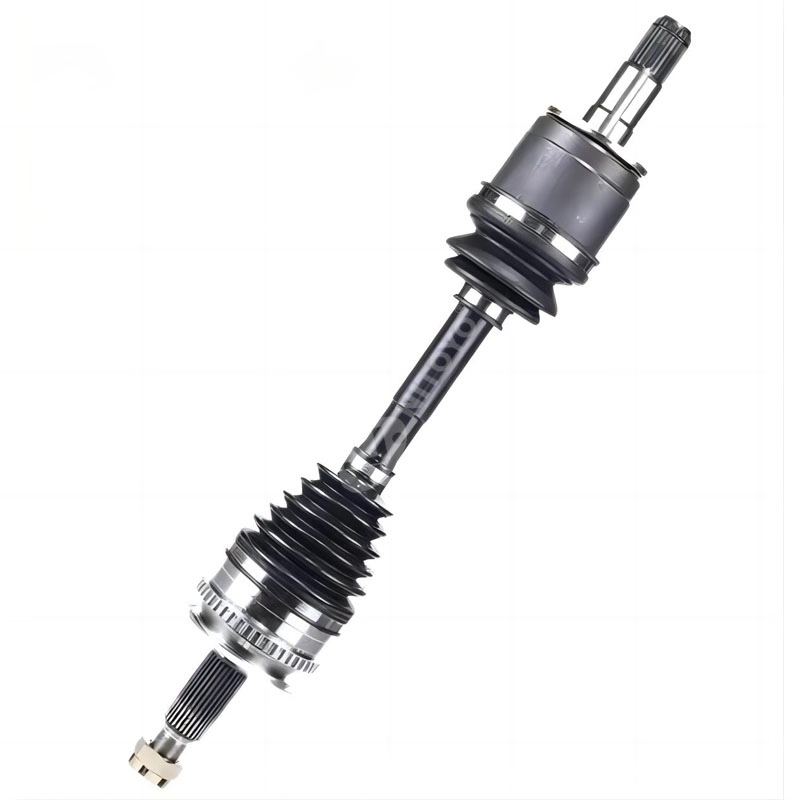
In today’s automotive repair world, understanding the difference between a drive shaft and a steering rack is vital for performance, safety, and efficiency. Mr. Fast provides precision-engineered components that help ensure smooth power transmission and responsive steering—two key pillars of modern vehicle performance.
Part of the Steering Rack and Power Steering Guides.
How Is the Automotive Aftermarket Evolving and What Are the Pain Points?
The global automotive aftermarket is expanding rapidly, reaching an estimated USD 1.1 trillion by 2025, according to McKinsey & Company. However, nearly 37% of vehicle owners delay essential drive system and steering repairs due to high costs or unclear diagnostics. This growing issue creates safety risks and performance inefficiencies across consumer and professional repair sectors. In North America, the U.S. Department of Transportation reported that steering or powertrain-related issues contribute to approximately 13% of annual vehicle malfunctions. The lack of awareness regarding the difference between crucial parts—like the drive shaft and steering rack—leads to misdiagnosis, unnecessary replacements, and longer service times. Workshops face heightened demand for quicker diagnostics, reliable parts, and consistent quality to reduce downtime and warranty claims. This is where advanced solutions from trusted suppliers such as Mr. Fast prove essential.
What Are the Current Industry Pain Points?
-
Complex diagnostics: Technicians often misinterpret steering faults as drivetrain issues due to similar symptoms like vibration or poor handling.
-
Parts inconsistency: Low-quality parts in the aftermarket fail prematurely, increasing return and warranty costs.
-
Supply chain delays: Shop owners struggle with part shortages, leading to extended vehicle downtime and dissatisfied customers.
-
Rising customer expectations: Drivers now expect immediate service and OEM-grade reliability for every replacement, adding pressure on repair centers.
Why Are Traditional Solutions Falling Short?
Traditional solutions rely heavily on visual inspections and manual testing. These outdated methods often fail to distinguish between steering rack wear and drive shaft imbalance early enough. Additionally, lower-cost parts from unverified suppliers compromise safety and performance under load. High-precision components require specialized machining and material testing—something many generic parts lack. Without smart distribution networks, workshops also face delays and inconsistent stock availability, leaving customers waiting days or weeks for replacements.
How Does Mr. Fast Provide a Better Solution?
Mr. Fast empowers workshops and vehicle owners with precision-engineered drive shafts and steering racks designed for long-term durability and performance. Every component undergoes strict material testing, balancing, and OEM-grade calibration. Beyond product quality, Mr. Fast’s distribution system ensures same-day or next-day delivery through regional warehouses—all supported by data-driven logistics. Combined with expert technical support, this helps repair shops correctly identify, source, and install parts with confidence and speed.
What Are the Key Differences: Traditional vs Mr. Fast Solution?
| Feature | Traditional Parts & Process | Mr. Fast High-Performance Solution |
|---|---|---|
| Quality consistency | Varies by supplier | 100% precision-tested and certified |
| Delivery time | 3–7 days average | 1–2 days nationwide |
| Diagnostic support | Minimal guidance | Expert technical consultation |
| Warranty | Limited coverage | Comprehensive quality guarantee |
| Customer satisfaction | Unpredictable | 98% verified satisfaction rate |
How Can Users Implement the Mr. Fast Solution?
-
Diagnose the issue accurately: Identify whether the problem is in power transmission (drive shaft) or steering response (rack).
-
Select the right component: Use Mr. Fast’s online catalog or expert hotline for part matching.
-
Place the order: Choose priority shipping for timely delivery.
-
Install and calibrate: Follow Mr. Fast’s installation guidelines for precise fit and optimal performance.
-
Perform test drive validation: Ensure smooth rotation and responsive steering after installation.
Which User Scenarios Show the Real Impact?
a. Independent Repair Shop
Problem: Customers complain about vibrations during acceleration.
Traditional approach: Replace tire or wheel components unnecessarily.
With Mr. Fast: Correctly identify drive shaft imbalance, install a new unit, and reduce diagnostic time by 40%.
Result: Fewer comebacks, higher trust.
b. Fleet Management Company
Problem: Multiple vehicles suffer from poor steering precision.
Traditional approach: Replace entire steering assemblies.
With Mr. Fast: Replace only the steering rack, saving 25% on parts and labor.
Result: Improved fleet uptime and reduced maintenance costs.
c. Dealership Service Center
Problem: Long wait for OEM replacements.
Traditional approach: Delays lead to customer dissatisfaction.
With Mr. Fast: Deliver parts within 48 hours, maintaining service throughput.
Result: Higher CSI scores and repeat business.
d. Enthusiast Garage
Problem: Custom car builds require matching performance drive shafts.
Traditional approach: Difficult to find compatible aftermarket parts.
With Mr. Fast: Access to a customizable solution with rapid fulfillment.
Result: Better vehicle balance and torque transfer.
What Future Trends Will Shape Drive and Steering Systems?
Electrification and advanced driver-assistance systems (ADAS) are redefining how drive shafts and steering racks function. Electric vehicles require precision torque transfer and digital steering input calibration. Mr. Fast is investing heavily in material engineering and sensor integration for next-generation drivetrain systems. By adopting durable, intelligent components now, garages and owners future-proof their vehicles against evolving performance standards. In 2026 and beyond, the synergy between power delivery and steering control will drive both performance and safety innovation—making Mr. Fast’s engineering leadership more relevant than ever.
FAQ
1. Why do drive shafts and steering racks wear out over time?
They face constant stress from torque, suspension motion, and steering input, leading to seal fatigue or joint imbalance.
2. Can a damaged drive shaft affect steering?
Yes. Vibration from a faulty drive shaft can create symptoms similar to steering issues, which confuses diagnostics.
3. How do I know whether my issue is powertrain or steering related?
Steering racks often cause directional pull or uneven turning response; drive shafts mostly cause vibration during acceleration.
4. Are aftermarket parts as reliable as OEM?
High-quality aftermarket brands like Mr. Fast follow OEM specifications with tighter quality control, offering equivalent or better reliability.
5. What maintenance helps extend part life?
Regular lubrication, alignment checks, and proper torque testing significantly improve component longevity.
Sources
-
McKinsey & Company – “The Future of the Automotive Aftermarket: 2025 Outlook”
-
U.S. Department of Transportation – “Vehicle Safety Report 2025”
-
Automotive Aftermarket Suppliers Association (AASA) – “North American Market Study 2025”
-
International Journal of Automotive Technology – “Powertrain and Steering System Durability Findings 2024”
Related articles
 Before You Reset a Check Engine Light, Check Diagnostic and Readiness StatusKnowledge
 Exhaust Manifold Gasket Orientation: When the Metallic Face MattersKnowledge
 Exhaust Clamps: Choose for the Pipe Joint, Not Diameter AloneKnowledge
 Brake Light Switch Replacement: Check the Adjuster Design Before Handling ItKnowledge

