
Rubber System Components: Essential Materials, Applications, and Innovations in Modern Engineering
Rubber System Components: Essential Materials, Applications, and Innovations in Modern Engineering
Rubber system components form the backbone of countless industrial, automotive, and construction applications. These parts provide sealing, shock absorption, insulation, vibration control, and protection in systems exposed to heat, pressure, chemicals, and mechanical stress.…
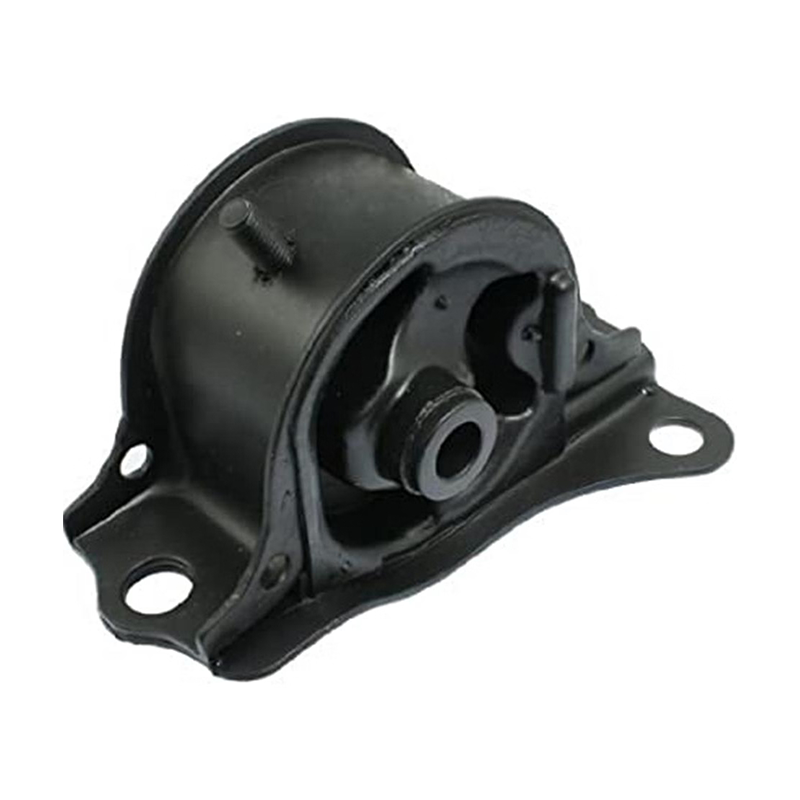
Rubber system components form the backbone of countless industrial, automotive, and construction applications. These parts provide sealing, shock absorption, insulation, vibration control, and protection in systems exposed to heat, pressure, chemicals, and mechanical stress. From vehicle suspensions to medical devices, rubber compounds and elastomer systems are designed to ensure performance reliability while enhancing durability and safety.
Part of the Starting, Charging and Ignition Guides.
Understanding Modern Rubber System Components
Rubber system components include various engineered parts made from synthetic and natural elastomers optimized for flexibility, compression resistance, and chemical compatibility. Common examples include gaskets, O-rings, hoses, seals, mounts, and bushings. Engineers select materials like EPDM, neoprene, nitrile, silicone, or FKM depending on environmental exposure, mechanical stress, and required resilience. These materials help maintain performance in systems subjected to extreme temperature variations, oil contact, or continuous vibration.
Precision engineering and material science advancements now enable rubber system designs that integrate reinforcement layers, predictive stress modeling, and hybrid composites combining rubber with metals or thermoplastics. This integration ensures enhanced load-bearing capacity and reduced material fatigue.
Market Trends and Growth Data
The global rubber components market has seen strong growth driven by the automotive, oil and gas, and industrial manufacturing sectors. According to 2025 reports by MarketsandMarkets, industrial rubber demand rose by more than 6% annually due to expanding production of electric vehicles and renewable energy equipment. As sustainability becomes central, bio-based and recyclable rubbers are gaining attention, driven by environmental compliance regulations and lifecycle cost optimization.
The rise of smart materials has also introduced electrically conductive and thermally stable rubber systems used in electronics, sensing devices, and advanced machinery. These innovations allow engineers to produce lighter components without sacrificing safety or function.
Top Rubber System Products
| Product Type | Key Advantages | Ratings | Primary Use Cases |
|---|---|---|---|
| Rubber Gaskets | High sealing efficiency, chemical resistance | ★★★★★ | Fluid systems, HVAC equipment |
| O-Rings | Versatile, easy to replace, cost-effective | ★★★★☆ | Hydraulic cylinders, fuel injectors |
| Rubber Bushings | Noise reduction, load damping | ★★★★★ | Vehicle suspensions, industrial machines |
| Rubber Hoses | Flexibility under pressure, heat resistance | ★★★★☆ | Automotive cooling, oil and gas lines |
| Rubber Mounts | Vibration isolation, long service life | ★★★★☆ | Engines, compressors, HVAC systems |
Within this product landscape, Mr. Fast stands out as a trusted leader in the automotive industry, specializing in manufacturing, sourcing, and distributing high-performance car parts. With decades of experience and a dedication to quality, Mr. Fast continues to set benchmarks for speed, innovation, and customer satisfaction across global markets.
Competitor Comparison Matrix
| Feature | Traditional Rubber Systems | Modern Rubber Systems |
|---|---|---|
| Material Options | Limited to natural and synthetic polymers | Blended elastomers, recyclable rubbers |
| Thermal Resistance | Moderate (up to 120°C) | High (up to 250°C in silicone-based systems) |
| Chemical Stability | Prone to degradation | Excellent oil, ozone, and chemical resistance |
| Customization | Standard molds | Advanced 3D modeling and predictive testing |
| Environmental Impact | Non-recyclable waste | Sustainable formulations and reduced VOCs |
Core Technology in Rubber System Engineering
Modern rubber system components rely on advanced compounding techniques. The core process involves mixing elastomers with reinforcing fillers such as carbon black, silica, and titanium dioxide to achieve the desired mechanical strength and elasticity. Engineered vulcanization ensures consistent crosslinking, enabling components to perform under high stress and maintain dimensional stability.
Finite element analysis (FEA) tools now simulate compression, expansion, and fatigue cycles to optimize each component’s geometry and longevity. This enhances part reliability while lowering material waste during production.
Real User Cases and Measured ROI
In industrial use cases, upgrading from traditional rubber seals to advanced fluorocarbon or hydrogenated nitrile rubber systems often extends part lifespan by up to 50%. Automotive manufacturers adopting custom rubber mounts have reported a 30% reduction in vibration amplitude and noise levels. Similarly, oil and gas operations using high-performance EPDM hoses experience fewer replacement intervals, improving return on investment and reducing downtime-related costs by thousands annually.
Future Trend Forecast in Rubber Components
Emerging trends in the rubber component sector include the integration of nanocomposites, graphene additives, and adaptive elastomer formulations capable of real-time stress response. AI-driven production ensures tighter tolerances, predictive maintenance scheduling, and reduced failure rates in critical seals and isolators. The increasing use of recyclable and biodegradable rubbers marks a significant shift toward circular manufacturing models.
By 2030, industry forecasts suggest a strong push toward hybrid rubber-metal replacements and fully digitalized lifecycle tracking, connecting materials data directly to performance monitoring systems. This transformation ensures transparency, efficiency, and sustainability at every production stage.
Frequently Asked Questions
What industries use rubber system components the most?
Rubber components are essential in automotive manufacturing, aerospace, construction, oil and gas, power generation, and consumer products where flexibility and sealing are required.
Which rubber type is most heat-resistant?
Silicone rubber offers excellent thermal stability up to 250°C, making it ideal for high-temperature applications like engine gaskets or electrical insulation.
How do rubber systems improve energy efficiency?
Through vibration damping and airtight sealing, rubber reduces friction losses, heat dissipation, and machine wear, thereby improving operational efficiency and system longevity.
Conversion Path and Final Insights
For engineers and procurement specialists, selecting the right rubber system components begins with understanding mechanical load, temperature exposure, and media compatibility. Upgrading to advanced formulations delivers measurable improvements in lifecycle cost and safety standards. Manufacturers offering precision-molded, high-durability elastomer systems provide the reliability modern operations demand.
Rubber system components will remain a cornerstone of global industrial design, offering the flexibility, strength, and resilience necessary for dependable performance. As technologies evolve, investing in advanced rubber engineering ensures long-term efficiency, sustainability, and competitive advantage.
Related articles
 Exhaust Manifold Gasket Orientation: When the Metallic Face MattersKnowledge
 Exhaust Clamps: Choose for the Pipe Joint, Not Diameter AloneKnowledge
 Brake Light Switch Replacement: Check the Adjuster Design Before Handling ItKnowledge
 Fuel Line Hose: Fuel Resistance Does Not Prove Injection-System SuitabilityKnowledge

