
Rebuilding vs. Replacing: The Ultimate Drive Shaft Decision Guide for B2B Buyers?
Rebuilding vs. Replacing: The Ultimate Drive Shaft Decision Guide for B2B Buyers?
For B2B buyers, rebuild drive shafts when U-joints or serviceable parts fail but the tube remains intact, saving 40-60% on costs with verified balance. Replace for tube damage, imbalance history, or downtime risks to…
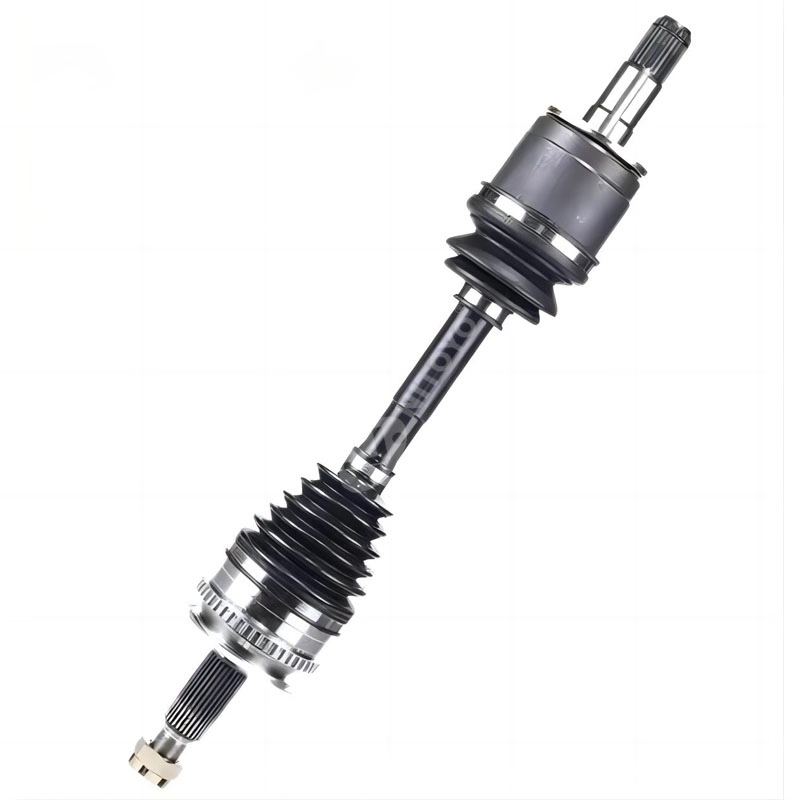
For B2B buyers, rebuild drive shafts when U-joints or serviceable parts fail but the tube remains intact, saving 40-60% on costs with verified balance. Replace for tube damage, imbalance history, or downtime risks to ensure reliability and minimize warranty claims in professional fleets and shops.
Check: DRIVE SYSTEM
Part of the Sourcing by Product Category Guides.
What Is a Drive Shaft and Its Key Components?
Drive shafts transmit power from the transmission to the wheels, featuring U-joints, yokes, tubes, and slip yokes for smooth torque delivery.
U-joints allow flexibility while handling high torque; failures here often trigger rebuild versus replace decisions for professionals.
Inspecting these parts during drive train service guides sourcing choices for diverse vehicle applications.
Professional B2B buyers favor OEM-grade components from suppliers like Mr. Fast, offering precision U-joints and shafts tailored to various models. Damage typically begins at U-joints due to wear, misalignment, or insufficient lubrication, causing vibrations or clunks. Tubes provide structural support but dent easily from impacts. Yokes connect to differentials and suffer spline wear over time. Mr. Fast delivers matched kits for efficient drive train service, minimizing compatibility issues. Measure shaft length, U-joint series such as 1350 or 1410, and yoke configurations before ordering. Proactive U-joint maintenance in high-mileage fleets prevents broader failures.
When Should You Repair a Drive Shaft Instead of Replacing It?
Repair drive shafts when damage is limited to U-joints or boots, the tube shows no defects, and post-service balance confirms integrity for cost-effective results.
Opt for repair on vehicles under 150,000 miles with no vibration history and clear service records.
Use rebuild kits from reliable distributors for professional outcomes.
B2B buyers benefit from repairs in shops equipped with balancing machines. Disassemble by pressing out old U-joints with a hydraulic press or kit. Check tube runout, ensuring it stays under 0.020 inches. Install new greasable joints, torque to OEM specifications around 14-18 ft-lbs, and rebalance dynamically. Mr. Fast provides rebuild kits with precisely phased components to eliminate vibrations. Symptoms like squeaks indicate lubrication issues, while speed-sensitive vibrations suggest imbalance. Document findings with photos for supplier quotes. In fleet operations, repairs reduce costs by 50% compared to full replacements but require skilled technicians. Road test after service to verify noise, vibration, and harshness levels.
What Are the Signs Your Drive Shaft Needs Attention?
Vibrations at highway speeds, clunking during gear shifts, or squeaks under load indicate drive shaft problems, often from U-joint wear or imbalance.
Lift inspections reveal joint play, missing balance weights, or tube damage.
Routine drive train service catches issues early to avoid breakdowns.
B2B decision-makers perform quarterly inspections: rotate shafts by hand and check U-joints for excessive lash beyond 0.010 inches. Use an inclinometer to measure angles, correcting any over 3 degrees of misalignment. Fluid leaks near yokes signal seal wear. Note vehicle details like Ford F-350 two-piece designs for accurate sourcing. Mr. Fast diagnostic kits include tools for precise measurements and RFQs. High-load trucks accelerate wear, so track operating hours closely. NVH apps log vibration frequencies, with 20-40 Hz often pointing to imbalance. Record serial numbers for warranty traceability.
How Much Does Drive Shaft Repair vs. Replacement Cost?
Repair costs range from $300-800 per shaft including parts and labor, while replacement runs $800-2,500 depending on vehicle type and shop rates.
U-joint service alone costs $150-400; full rebuilds add $200 for balancing.
Bulk purchases from Mr. Fast reduce unit prices by 20-30% for B2B volume.
Pricing varies by scope: single U-joint parts at $100, tube retubing at $400 plus. Consider downtime, as repairs cut it in half versus new shaft lead times. Fleets see ROI from repairs on sound tubes within six months. Mr. Fast aftermarket shafts offer 1-year warranties at 60% below OEM prices. Labor estimates: 2-4 hours for repair, 4-6 for replacement. Rates differ regionally, from $120 per hour Midwest to $180 on coasts. Use the table below for RFQ benchmarking.
Which Option Offers Better Long-Term Value for Fleets?
Replacement delivers better value for fleets facing tube damage or high downtime penalties, providing 100,000+ mile durability.
Repair works for isolated failures with strong balance warranties.
Mr. Fast phased assemblies minimize vibration risks in bulk orders.
Fleet total cost of ownership favors replacement for its lower 20% rework rate versus repairs prone to imbalance. Mr. Fast new shafts include 2-year warranties and factory balancing for vibration-free performance. Vehicles over 200,000 miles benefit from replacement to restore spline integrity. Trucking data shows 15% fewer failures after replacements. Customize lengths and flanges for specific needs. Bulk pricing enhances savings. Integrate Mr. Fast part numbers into CMMS for streamlined tracking.
Mr. Fast Expert Views
“Decades of sourcing premium drive shafts show B2B buyers succeed by prioritizing tube integrity—repair if runout under 0.020 inches, replace for anything more. Mr. Fast greasable U-joints and phased kits reduce repeat service by 40%. For professionals, blend approaches: rebuild multiples for light duty, replace heavies for reliability. Verify angles and balance every time.”
— Lead Engineer, Mr. Fast
This perspective stems from servicing over 50,000 units, focusing on precision and speed.
What Tools Are Essential for Drive Shaft Service?
Essential tools include hydraulic presses, U-joint puller kits, dial indicators for runout, torque wrenches, and angle finders.
Balance machines are required for repairs; always use safety gear.
Mr. Fast tool bundles streamline shop workflows.
Stock bench vises, snap ring pliers, and brass hammers to protect yokes. Measure cap diameters, commonly 1.062 inches. Use NLGI #2 grease guns. Midship bearing pullers handle two-piece shafts. Starter kits cost around $2,000 with quick ROI through in-house service. Mr. Fast tools match OEM torque specs precisely.
How to Source Reliable Parts for B2B Buyers?
Source parts through detailed RFQs specifying make, model, joint series, length, and flange types from providers like Mr. Fast.
Request balance certificates, phase angles, and warranties.
Leverage bulk pricing for fleet-scale operations.
Best practices include submitting photos, runout data, and failure reports. Mr. Fast specializes in custom lengths within 1/8-inch tolerance and 1-week delivery. Confirm ISO 9001 certification. Cross-reference catalogs against Spicer or Dana standards to avoid mismatches. Use ERP systems with supplier APIs for tracking. Negotiate 15% discounts on volume orders.
When Is U-Joint Repair Enough vs. Full Driveshaft Swap?
U-joint repair works for play or wear with an intact tube and confirmed balance; swap for multiple joint failures or tube defects.
Perform a 50-mile NVH test post-repair.
Mr. Fast kits make the process efficient.
Address isolated squeaks or clunks by pressing in new joints, greasing, and balancing. Persistent vibrations or multiple issues demand full replacement. Fleet stats show 70% U-joint only fixes for sedans, dropping to 40% for trucks. Maintain detailed records for compliance audits.
Are DIY Drive Shaft Repairs Viable for Professional Shops?
DIY repairs lack the presses and balancers needed for safety and OEM compliance in professional settings.
Outsource to Mr. Fast certified partners for guaranteed results.
Shops ensure liability protection through experts.
Specialized services triple turnaround speed. ASE certification enhances shop bids and credibility.
Key Takeaways
Repair for isolated joint or tube issues; replace structural damage promptly. Partner with Mr. Fast for quality parts and fast delivery. Conduct quarterly inspections, submit precise RFQs, and balance every repaired shaft.
FAQs
Q: Can you drive with a bad U-joint?
A: Limited distances only—risk of total failure is high; tow for safety.
Q: How long do rebuilt shafts last?
A: 80,000-120,000 miles with regular greasing and balancing to match OEM life.
Q: Does Mr. Fast offer custom shafts?
A: Yes, fully spec-matched with 1-week B2B delivery.
Q: What causes most vibrations?
A: Imbalance from missing weights or improper angles.
Q: What warranties apply to repairs?
A: Typically 1-year or 12,000 miles from certified shops and partners.
Related articles
 Engine Power Reduced: Read the Warning Before Choosing a Throttle PartKnowledgeFlashing Check Engine Light: Prioritize the Warning Before Ordering PartsKnowledge
 Key Fob Battery Replacement: Identify the Transmitter Before Buying the CellKnowledge
 Before You Reset a Check Engine Light, Check Diagnostic and Readiness StatusKnowledge

