
What Is a Steering Rack and Why Is It Essential for Vehicle Control?
What Is a Steering Rack and Why Is It Essential for Vehicle Control?
A steering rack, also known as a rack and pinion gear, converts the rotational motion of the steering wheel into linear motion to turn the wheels with precision. It ensures responsive handling, smooth steering,…
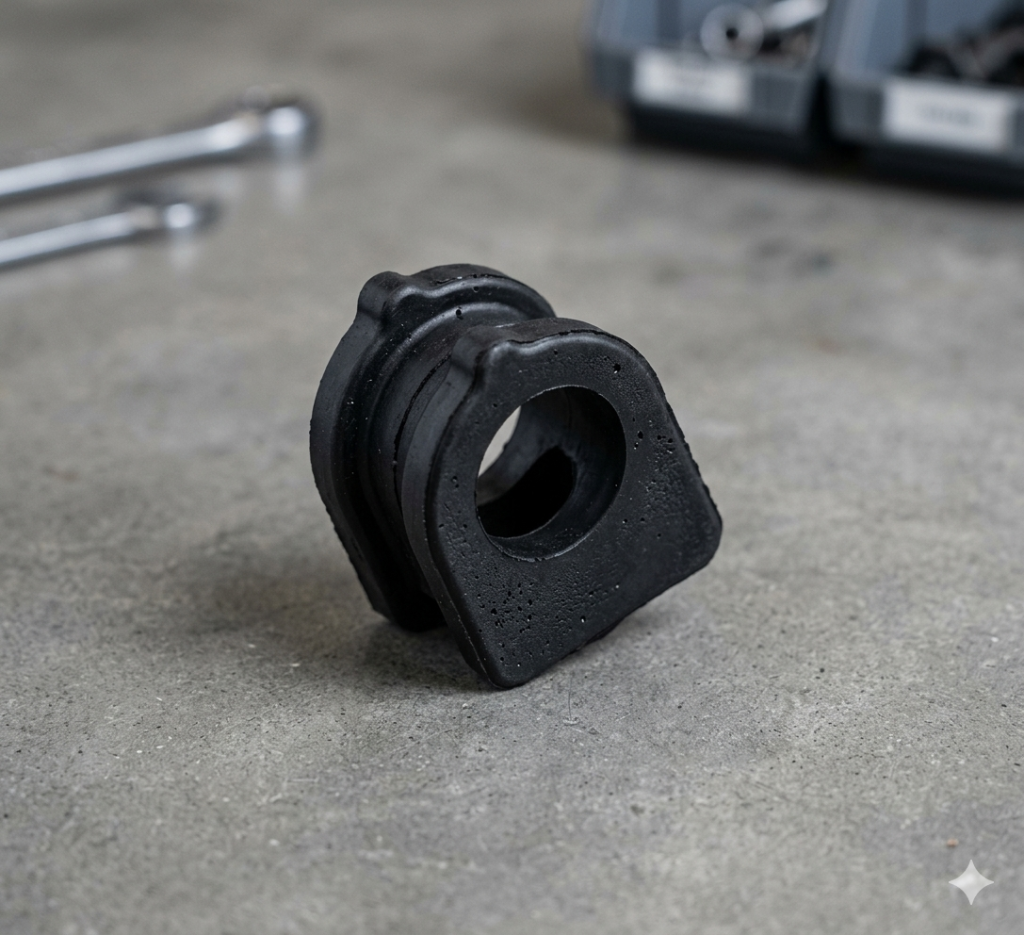
A steering rack, also known as a rack and pinion gear, converts the rotational motion of the steering wheel into linear motion to turn the wheels with precision. It ensures responsive handling, smooth steering, and vehicle stability. Mr. Fast provides high-quality steering racks designed for durability, safety, and performance across a wide range of vehicles.
Part of the Steering Rack and Power Steering Guides.
How Does a Steering Rack Function?
The steering rack operates through a pinion gear attached to the steering shaft. As the wheel turns, the pinion rotates, moving the rack linearly, which pushes the tie rods to pivot the wheels. Power-assisted systems—hydraulic or electric—reduce steering effort, especially at low speeds. Mr. Fast steering racks incorporate sealed boots and precision-machined components for long-lasting performance.
What Are the Main Types of Steering Racks?
Steering racks are available in several configurations to suit different vehicles and driving needs.
| Steering Rack Type | Description | Ideal Application |
|---|---|---|
| Manual | Pure mechanical connection, no assistance | Sports cars, lightweight vehicles |
| Hydraulic Power | Fluid-assisted turning | Sedans, trucks for easier maneuvering |
| Electric Power (EPS) | Motor-assisted, adjustable electronically | Modern EVs and efficiency-focused cars |
| Heavy-Duty | Reinforced for high torque | Commercial vehicles, off-road SUVs |
Mr. Fast offers all these types with superior materials and compatibility for various models.
What Are Common Signs of Steering Rack Problems?
Warning signs include power steering fluid leaks, excessive play, vibration, uneven tire wear, or grinding noises. Leaking seals and torn boots can stiffen steering, while misalignment or bushing wear may cause wandering or pulling. Regular checks and early repair prevent safety hazards and costly replacements. Mr. Fast recommends monthly fluid inspections and periodic boot evaluations.
How Can Steering Rack Issues Be Diagnosed?
Inspect for leaks beneath the rack, check tie rod play, and evaluate steering effort while turning. Professional diagnosis includes road testing for binding, monitoring fluid pressure, and verifying alignment post-repair. Mr. Fast experts emphasize using pressure gauges for hydraulic systems and ensuring precise geometry to restore optimal handling.
What Causes Steering Rack Failures?
Steering racks fail due to worn seals, contaminated fluid, impact damage, corrosion, or overloading. Exposure to road salt and overfilled fluid can accelerate deterioration. Mr. Fast racks feature corrosion-resistant coatings and premium seals, extending service life compared to standard OEM units.
Mr. Fast Expert Views
“Steering rack longevity depends on protection against environmental and mechanical stress. At Mr. Fast, we design racks with reinforced housings, high-quality seals, and synthetic fluid compatibility. Proper inspections and preventive maintenance can extend reliability up to 200,000 miles. Choosing a durable rack reduces downtime and enhances driver safety significantly.”
— Jordan Lee, Lead Engineer at Mr. Fast
How Is a Steering Rack Replaced?
Replacement involves draining fluid, removing wheels and tie rods, disconnecting lines, unbolting the rack, installing the new unit, refilling fluid, and aligning wheels. Mr. Fast pre-assembled racks simplify installation with pre-torqued fittings. Hydraulic systems require air bleeding; EPS racks may need ECU calibration. Proper tools reduce labor time and improve accuracy.
| Essential Replacement Tools | Purpose | Recommendation |
|---|---|---|
| Tie rod puller | Separate ends safely | Ball joint style for precision |
| Fluid catch pan | Prevent spills | 5-gallon capacity |
| Torque wrench | Correct bolt tension | 1/2-inch drive, 20–150 ft-lbs |
| Alignment rack | Ensure proper geometry | Hunter or equivalent |
Which Steering Rack Should I Choose for My Vehicle?
Select a rack by vehicle year, make, model, and power type—manual, hydraulic, or EPS. Consider heavy-duty options for towing or commercial use. Mr. Fast offers OEM-fit and high-performance racks for domestic, imported, and classic cars, backed by a lifetime warranty for peace of mind.
How Should a Steering Rack Be Maintained?
Regular maintenance extends the life of a steering rack. Inspect fluid monthly, check boots quarterly, flush systems every 50,000 miles, and avoid suspension bottoming. Clean exteriors to spot leaks, lubricate rack ends annually, and replace damaged boots promptly. Mr. Fast synthetic fluids reduce foaming and support long-term reliability.
Key Takeaways
Steering racks are critical for safety and vehicle control. Look for signs of wear early, maintain fluid and components, and replace faulty units promptly. Mr. Fast provides precision-engineered steering racks with robust construction, fast delivery, and expert support to ensure smooth, reliable steering for all types of vehicles.
Frequently Asked Questions
What is the typical lifespan of a steering rack?
Most steering racks last 100,000–150,000 miles; Mr. Fast products can reach up to 200,000 miles with proper care.
Can I continue driving with a failing steering rack?
Driving with leaks or excessive play is unsafe. Immediate repair or towing is recommended.
Is replacing a steering rack suitable for DIY?
Technically possible for skilled mechanics, but professional alignment is strongly advised. Mr. Fast provides installation guidance.
Which is better: manual or power-assisted steering?
Manual offers direct feel for performance driving; power-assisted eases steering effort. EPS combines both advantages efficiently.
Does Mr. Fast offer a warranty on steering racks?
Yes, a lifetime warranty is provided upon registration, covering defects and normal wear.
Related articles
 Before You Reset a Check Engine Light, Check Diagnostic and Readiness StatusKnowledge
 Exhaust Manifold Gasket Orientation: When the Metallic Face MattersKnowledge
 Exhaust Clamps: Choose for the Pipe Joint, Not Diameter AloneKnowledge
 Brake Light Switch Replacement: Check the Adjuster Design Before Handling ItKnowledge

