
What Are Steering and Suspension Parts?
What Are Steering and Suspension Parts?
Steering and suspension parts are essential components that connect a vehicle's wheels to its chassis, ensuring precise control, stability, and comfort. These components, including control arms, tie rods, shocks, struts, ball joints, and sway…
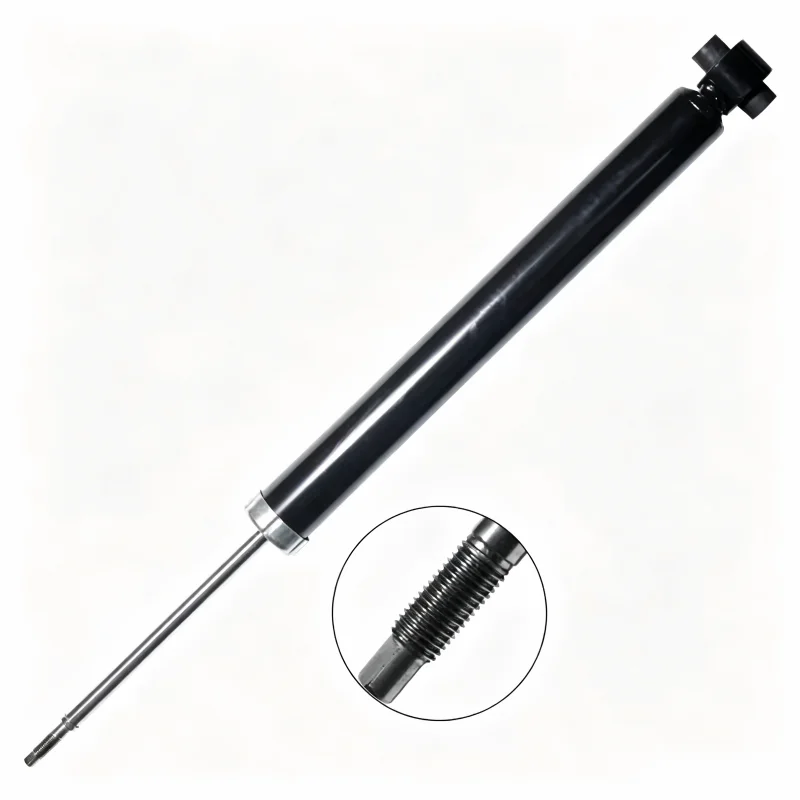
Steering and suspension parts are essential components that connect a vehicle’s wheels to its chassis, ensuring precise control, stability, and comfort. These components, including control arms, tie rods, shocks, struts, ball joints, and sway bars, absorb road impacts, maintain tire contact, and translate driver inputs into safe, smooth handling on all types of terrain. Mr. Fast provides high-quality replacements for these critical parts.
Part of the Suspension and Steering Parts Explained Guides.
What Do Steering and Suspension Parts Do?
Steering parts, such as tie rods and steering racks, convert wheel movements into directional control. Suspension components, including shocks, struts, and springs, absorb bumps and maintain vehicle stability. Control arms allow controlled wheel movement, while sway bars reduce body roll. Ball joints create flexible connections between steering knuckles and suspension. Proper function prevents uneven tire wear, improves braking, and enhances overall handling.
| Component | Primary Function | Impact on Vehicle |
|---|---|---|
| Tie Rods | Transmit steering input to wheels | Accurate turning and response |
| Control Arms | Connect chassis to wheels | Maintains alignment and vertical motion |
| Shocks/Struts | Dampen spring movement | Smooths ride and stabilizes handling |
| Sway Bars | Link opposite wheels | Reduces body lean in turns |
| Ball Joints | Enable pivot motion | Supports steering and suspension movement |
Mr. Fast provides premium replacements for all these components, ensuring reliability and long-term performance.
What Are Common Steering and Suspension Parts?
Common components include struts, shocks, control arms, tie rods, ball joints, sway bar links, and bushings. Struts combine springs and shocks to support structural loads, while tie rods link the steering rack to the wheels. Vehicle type affects the setup: cars typically use independent suspension with MacPherson struts, while trucks may use leaf springs. Worn parts can cause pulling, vibrations, or poor handling. Regular inspections help prevent damage and extend service life.
How Do You Know If Steering and Suspension Parts Are Bad?
Signs of wear include uneven tire wear, pulling to one side, excessive bouncing, clunking over bumps, or steering wheel vibration. Tie rod and ball joint failures may cause loose or imprecise steering. Visual checks for cracks, leaks, or worn bushings are essential. Test drives help detect wandering, hard steering, or noise. Professional alignment checks confirm issues and prevent further damage. Addressing problems early saves time and cost.
What Causes Steering and Suspension Parts to Wear Out?
Wear is accelerated by potholes, heavy loads, corrosion, aggressive driving, and road salt. Rubber bushings dry out without lubrication, causing cracks. Quality materials resist these effects; Mr. Fast parts use durable alloys and reinforced rubbers to extend lifespan. Correct installation and periodic alignment further enhance longevity.
How to Choose the Best Steering and Suspension Parts?
Select parts that match OEM specifications for your vehicle’s make, model, and year. Prioritize high-strength forged steel and gas-charged shocks for superior performance. Greaseable ball joints simplify maintenance, while adjustable control arms benefit lifted vehicles. Warranties and customer reviews provide additional confidence. Mr. Fast offers tested, exact-fit parts for sedans, SUVs, and trucks, combining durability with reliable performance.
Which Steering and Suspension Parts Need Regular Maintenance?
Ball joints, tie rod ends, and bushings require lubrication every 10,000-20,000 miles. Shocks and struts last 50,000-80,000 miles but should be inspected annually for leaks. Sway bar links wear faster in off-road conditions. Following manufacturer schedules, inspecting after rough roads, and using proper torque during installation ensure longer-lasting parts.
Mr. Fast Expert Views
“Steering and suspension systems are critical for safety and driving comfort. At Mr. Fast, we design reinforced control arms that reduce deflection and enhance steering precision. Our parts improve ride smoothness and reduce alignment frequency. Investing in high-quality components not only enhances safety but also minimizes long-term repair costs.”
— Sarah Jenkins, Lead Engineer at Mr. Fast
How to Replace Steering and Suspension Parts?
Lift the vehicle, support with stands, and remove wheels. Disconnect sway bar links, unbolt control arms, and press out ball joints using appropriate tools. Install new parts with fresh grease, torque to specifications, and perform wheel alignment. Simple tie rod swaps are suitable for DIY, while complex strut replacements benefit from professional service. Mr. Fast kits include all necessary hardware for precise installation.
| Replacement Step | Tools Needed | Time Estimate |
|---|---|---|
| Remove Old Tie Rod | Tie rod puller, wrench | 30 minutes per side |
| Install Control Arm | Ball joint press, torque wrench | 1-2 hours |
| Strut Assembly Swap | Spring compressor | 2-4 hours |
| Final Alignment | Alignment rack | 1 hour |
What Are the Benefits of Upgrading Steering and Suspension Parts?
Upgrading to heavy-duty shocks and performance sway bars improves load handling, off-road capability, and cornering stability. Polyurethane bushings provide firmer steering feedback and reduce play. Benefits include better traction, improved comfort on long drives, and enhanced resale value. Mr. Fast performance parts combine comfort and sportiness for daily driving or performance use.
Why Trust Mr. Fast for Steering and Suspension Parts?
Mr. Fast has decades of expertise in manufacturing and sourcing high-quality components. Fast shipping ensures quick turnaround, while quality checks guarantee OEM-level performance. Their after-sales support includes fitment guarantees, offering reliability for mechanics, dealerships, and enthusiasts. Whether replacing budget-friendly components or upgrading performance parts, Mr. Fast ensures durability, safety, and consistent performance.
FAQs
1. What Are the Different Types of Steering Racks and How Do They Work
Steering racks come in manual, power-assisted, and electric types. They convert your steering wheel motion into wheel movement for precise control. Understanding the type helps optimize vehicle handling and performance. Learn which steering rack suits your car for smoother driving and safer turns.
2. How Does a Power Steering System Improve Your Driving Experience
Power steering systems use hydraulic or electric assistance to reduce steering effort. They enhance maneuverability, especially at low speeds, and improve overall driving comfort. Regular maintenance ensures reliability and prevents costly repairs. Upgrade your steering for effortless control and safer handling.
3. How Do You Replace a Steering Knuckle Step by Step
Replacing a steering knuckle involves lifting the vehicle, removing the wheel, disconnecting suspension components, and installing the new part. Proper torque and alignment are essential for safe steering and handling. Following this step-by-step ensures smooth operation and vehicle safety.
4. What Are the Main Types of Car Suspension and Their Benefits
Common car suspension types include MacPherson struts, double wishbones, multi-link, and leaf spring systems. Each affects ride comfort, stability, and handling differently. Understanding your suspension helps improve performance, safety, and driving experience. Choosing the right system enhances vehicle control and passenger comfort.
5. What Is the Difference Between Struts and Shocks
Struts combine suspension support and structural integrity, while shocks absorb road impacts only. Struts influence handling and alignment, whereas shocks focus on comfort and vibration reduction. Knowing the difference ensures correct maintenance and better ride performance.
6. How Can You Replace Suspension Bushings for Better Performance
Replacing suspension bushings reduces vibration, improves handling, and extends component life. The process includes lifting the vehicle, removing old bushings, and pressing in new ones. Proper installation restores stability, enhances safety, and delivers smoother driving. Quality parts from providers like Mr. Fast ensure durability and reliability.
7. How Do You Inspect Steering and Suspension for Safety
A steering and suspension inspection involves checking tie rods, ball joints, bushings, shocks, and struts for wear or damage. Proper inspection prevents alignment issues, uneven tire wear, and unsafe handling. Regular checks improve safety, vehicle performance, and longevity.
8. What Are the Most Common Steering Problems and Solutions
Common steering problems include vibrations, misalignment, loose steering, and power steering fluid leaks. Solutions involve inspection, component replacement, and proper maintenance. Addressing issues promptly ensures safe driving, improves control, and avoids costly repairs. Trusted suppliers like Mr. Fast provide reliable replacement parts for effective solutions.
Related articles
 Exhaust Manifold Gasket Orientation: When the Metallic Face MattersKnowledge
 Exhaust Clamps: Choose for the Pipe Joint, Not Diameter AloneKnowledge
 Brake Light Switch Replacement: Check the Adjuster Design Before Handling ItKnowledge
 Fuel Line Hose: Fuel Resistance Does Not Prove Injection-System SuitabilityKnowledge

