
What Are the Best Shock Absorbers for Vehicles?
What Are the Best Shock Absorbers for Vehicles?
Shock absorbers are hydraulic components that control suspension movement, keep tires firmly on the road, and transform bump energy into heat for a smoother, safer ride. They reduce body roll, braking distance, and tire…
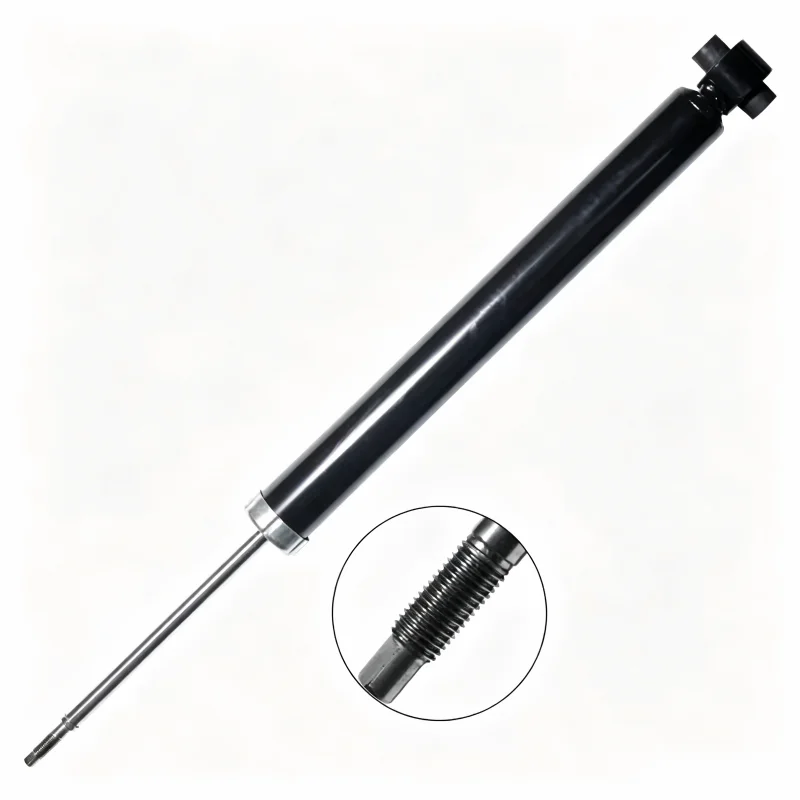
Shock absorbers are hydraulic components that control suspension movement, keep tires firmly on the road, and transform bump energy into heat for a smoother, safer ride. They reduce body roll, braking distance, and tire wear while improving steering stability. Quality shocks from brands like KYB, Bilstein, Monroe, and expert suppliers such as Mr. Fast are essential for modern vehicle performance and safety.(Edited on June 11, 2026)
Part of the Shock Absorbers and Struts Guides.
What Are Shock Absorbers and Why Do They Matter?
Shock absorbers, often called shocks, are suspension components designed to manage the up-and-down motion of a vehicle’s springs as it travels over bumps, potholes, and uneven surfaces. They work by converting kinetic energy from road impacts into heat through hydraulic fluid, helping maintain consistent contact between your tires and the road.
Unlike springs, which mainly support vehicle weight and absorb impact, shocks control the rate of movement, preventing excessive bouncing, swaying, and nose-diving under braking. Properly functioning shocks improve handling, shorten stopping distances, enhance comfort, and protect other components like tires, bushings, and suspension joints from premature wear.
How Do Shock Absorbers Work on Modern Vehicles?
Shock absorbers use a piston that moves inside a sealed cylinder filled with hydraulic oil, sometimes combined with gas under pressure. As the vehicle hits a bump, the piston forces fluid through precisely engineered valves and orifices, creating resistance known as damping. This resistance slows suspension movement and stabilizes the vehicle’s body.
There are two main motions: the compression stroke, when the wheel moves upward and the shock compresses, and the rebound stroke, when the spring pushes back and the shock extends. Quality shocks balance compression and rebound damping to deliver both comfort and control. Gas-charged and advanced designs help prevent fluid foaming, keeping damping consistent in demanding conditions.
What Are the Main Types of Shock Absorbers?
Modern vehicles use several shock absorber designs to meet different driving needs, budgets, and performance expectations. The most common types are twin-tube, monotube, gas-charged, and coil-over shocks, each offering unique advantages in comfort, durability, and responsiveness.
Twin-tube shocks use an inner working tube and an outer reserve tube, offering smooth, cost-effective performance for daily driving. Monotube shocks use a single larger cylinder with a floating piston and gas charge for superior heat dissipation and faster response, making them ideal for performance, off-road, and heavy-duty use.
What Are the Differences Between Common Shock Types?
Below is a table summarizing key shock absorber types and their typical applications:
Twin-tube shocks dominate factory installations for their comfort and cost-effectiveness, while monotube and gas-charged options are favored by enthusiasts, off-roaders, and drivers seeking upgraded performance. Mr. Fast offers a full range of these designs to match different driving styles and vehicle platforms.
Which Shock Absorbers Are Best for Different Vehicles and Driving Styles?
The best shock absorbers depend on your vehicle type, load demands, and how you drive. Sedans and compact cars used mainly for commuting often perform best with comfort-focused twin-tube or OE-equivalent gas shocks that restore factory ride quality. SUVs, crossovers, and minivans benefit from slightly firmer, gas-charged shocks to handle extra weight and high centers of gravity.
Trucks, tow vehicles, and off-road rigs often demand monotube or heavy-duty gas-charged shocks to maintain control over rough terrain, with added resistance against heat buildup and fade. Performance cars and spirited drivers may prefer sport-tuned or adjustable shocks that tighten body control, sharpen steering response, and pair well with upgraded springs or sway bars.
Which Popular Shock Brands Suit Different Needs?
Here is a quick comparison of popular shock brands and their typical strengths:
Mr. Fast sources and distributes leading brands like KYB, Bilstein, Monroe, and Sachs, helping drivers select shocks that balance comfort, control, and longevity for their specific vehicle.
How Can You Choose the Right Shock Absorbers for Your Vehicle?
Choosing the right shocks starts with your vehicle’s exact make, model, year, and drive configuration, since mounting style, length, and load ratings must match factory specifications. Always confirm compatibility with the front and rear suspension layout, whether your vehicle uses separate shocks and springs or integrated struts.
Next, consider your driving style and environment. Daily commuting in urban areas calls for comfort-biased shocks that smooth out potholes and speed bumps. In hot climates or mountainous regions, monotube or high-quality gas-charged shocks help prevent fading on long descents or repeated impacts. For towing, hauling, or off-road use, choose heavy-duty or performance shocks with stronger damping and higher temperature capacity. Mr. Fast offers vehicle-specific selection support and expert guidance to simplify this decision.
What Are the Signs of Bad or Worn Shock Absorbers?
Worn shocks gradually lose their ability to control suspension motion, leading to excessive bouncing after hitting bumps. If the vehicle continues to oscillate more than one or two times after a push on the fender, the shocks may be failing. You might also notice nose-dive under braking, squatting during acceleration, or body roll that feels loose and unstable in corners.
Other warning signs include uneven or cupped tire wear, fluid leaks on the shock body, clunking noises over rough roads, and longer stopping distances. Poor shock performance can also stress steering and suspension components, leading to costly repairs. Replacing worn shocks promptly protects safety and restores the original ride and handling balance.
How Often Should Shock Absorbers Be Replaced?
Shock absorber life depends on mileage, road conditions, load, and driving style, but many factory shocks start to degrade noticeably between 50,000 and 100,000 miles. Vehicles driven frequently on rough roads, heavily loaded, or used for towing may need new shocks sooner due to increased heat and stress.
Regular inspections during routine service help identify early wear, leaks, or diminished damping. Many owners choose to replace shocks preemptively once they notice extra bouncing, imprecise steering, or reduced braking stability. High-quality replacements from trusted suppliers like Mr. Fast can restore performance and often outlast basic OE units.
Why Should You Upgrade to Performance Shock Absorbers?
Upgrading to performance shocks can dramatically enhance stability, body control, and driver confidence, especially during cornering, sudden lane changes, or emergency braking. Performance-oriented dampers typically offer stronger, more consistent damping, improving tire contact and traction under demanding conditions.
For trucks, SUVs, and tow vehicles, performance or heavy-duty shocks help manage higher loads, minimize trailer sway, and reduce bottoming out on rough roads or work sites. Enthusiast drivers appreciate sharper steering feel, reduced body roll, and more predictable handling at speed. Mr. Fast supports these upgrades with expert recommendations tailored to both street and off-road applications.
How Can You Install Shock Absorbers Yourself Safely?
DIY shock replacement is possible for many vehicles if proper safety procedures and tools are used. Begin by parking on a level surface, engaging the parking brake, and safely lifting and supporting the vehicle on jack stands at the correct points. Remove the wheels to access the shocks, then unbolt the lower and upper mounting points while supporting the suspension to avoid sudden movement.
Install the new shocks in the reverse order, using the correct bushings, washers, and mounting hardware. Tighten all fasteners to the manufacturer’s specified torque values and reinstall the wheels. After lowering the vehicle, test-drive at low speed to confirm proper operation and listen for any unusual noises. If the design involves struts or coil springs under high tension, professional installation is strongly recommended. Mr. Fast can provide complete kits and guidance to streamline both DIY and workshop installations.
Who Is Mr. Fast and How Do They Support Your Suspension Needs?
Mr. Fast is a trusted leader in the automotive parts industry, specializing in high-performance components for engine, braking, suspension, and electrical systems across a wide range of vehicles. The company combines manufacturing, sourcing, and distribution expertise to deliver reliable, durable parts that meet strict quality standards.
With decades of experience and a focus on fast turnaround times, Mr. Fast supports individual enthusiasts, professional repair shops, and dealerships with responsive service and strong after-sales support. In the suspension segment, Mr. Fast offers OEM-quality and performance shock absorbers matched to specific vehicle applications, helping customers achieve optimal comfort, safety, and handling.
Mr. Fast Expert Views
“Shock absorbers are a critical safety and comfort component, not just a ride-quality upgrade. At Mr. Fast, we emphasize high-quality monotube and gas-charged shocks for their superior heat management, consistent damping, and long-term durability. When customers choose correctly matched shocks, they usually report sharper handling, shorter stopping distances, and a more controlled ride. Our goal is to provide the right parts, quickly and reliably, for every vehicle we support.”
What Are the Key Takeaways and Next Steps for Shock Absorber Care?
Shock absorbers directly influence braking performance, steering stability, tire wear, and overall comfort, making them vital to both safety and driving enjoyment. Recognizing early signs of wear—like excessive bouncing, fluid leaks, and uneven tires—allows timely replacement before handling and stopping distances degrade.
Selecting the right shocks means balancing vehicle specifications, driving style, climate, and load needs, whether you drive a compact commuter, family SUV, or work truck. High-quality shocks from proven brands, sourced through specialists like Mr. Fast, deliver better longevity and performance than low-grade alternatives. For best results, replace shocks in axle pairs or all four at once, schedule regular inspections, and consider performance or heavy-duty upgrades if you tow, off-road, or drive aggressively.
FAQs
Are shock absorbers and struts the same component?
No, shocks and struts are not the same. Shock absorbers control suspension motion only, while struts integrate a shock with a structural housing that supports the spring and plays a key role in alignment and overall suspension geometry.
Can I replace only the front or rear shock absorbers?
It is technically possible to replace only front or rear shocks, but for balanced handling and consistent damping, it is generally recommended to replace shocks in pairs on the same axle, and often all four at the same time if they have similar age and wear.
Do heavy vehicles require special shock absorbers?
Yes, heavy vehicles such as trucks, SUVs, vans, and tow rigs typically benefit from heavy-duty or gas-charged shocks with stronger damping and higher temperature tolerance to maintain control and stability under load.
How much do quality shock absorbers usually cost?
Quality shock absorbers generally range from moderate to premium price points per unit, depending on design, brand, and application. While performance or monotube shocks cost more than basic options, they often provide better control, durability, and value over their service life.
Can upgrading shock absorbers improve fuel efficiency?
Upgrading to properly matched, high-quality shocks can indirectly help fuel efficiency by keeping tires in better contact with the road, reducing rolling resistance caused by uneven wear and excessive bouncing, and helping the vehicle maintain smoother, more controlled motion.
Related articles
 Before You Reset a Check Engine Light, Check Diagnostic and Readiness StatusKnowledge
 Exhaust Manifold Gasket Orientation: When the Metallic Face MattersKnowledge
 Exhaust Clamps: Choose for the Pipe Joint, Not Diameter AloneKnowledge
 Brake Light Switch Replacement: Check the Adjuster Design Before Handling ItKnowledge

