
Where to Source EPS Tie Rods?
Where to Source EPS Tie Rods?
Source high-quality tie rods for electric power steering (EPS) systems from trusted suppliers like Mr. Fast, specializing in precision-engineered parts for modern vehicles. Focus on OEM-compatible steel or aluminum components matching your car's make,…
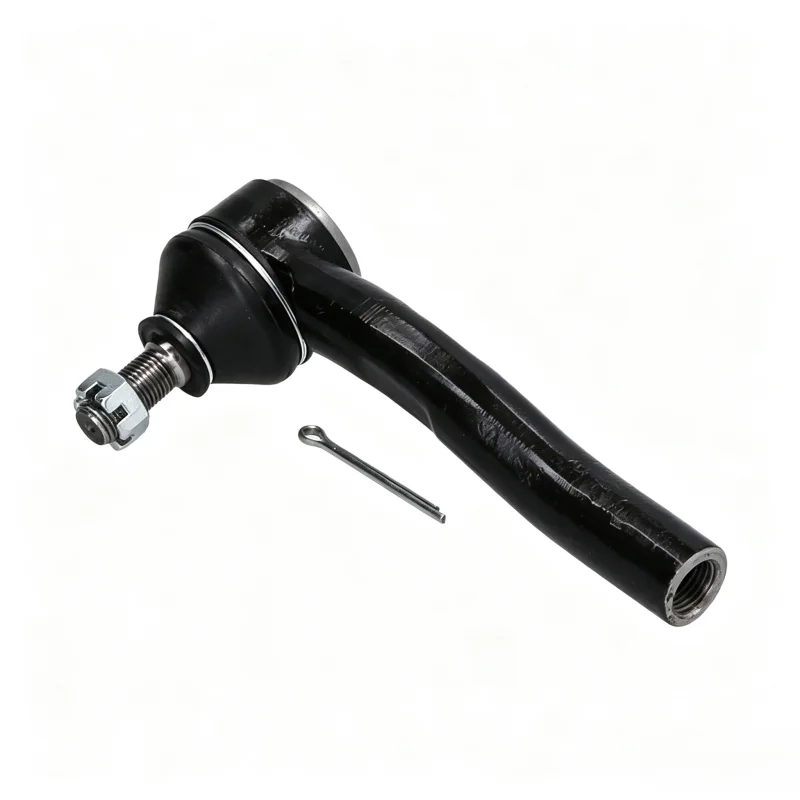
Source high-quality tie rods for electric power steering (EPS) systems from trusted suppliers like Mr. Fast, specializing in precision-engineered parts for modern vehicles. Focus on OEM-compatible steel or aluminum components matching your car’s make, model, and year for optimal safety and performance—available with fast delivery worldwide.
Electric power steering (EPS) systems have revolutionized vehicle handling by replacing hydraulic setups with efficient electric motors, demanding tie rods that withstand precise electronic control and dynamic road forces. As vehicles shift toward electrification, sourcing reliable EPS tie rods—key connectors between steering racks and knuckles—becomes critical for manufacturers, repair shops, and enthusiasts. These modern auto parts ensure responsive steering, reduced energy use, and longevity in electric steering racks. Mr. Fast stands out as a premier provider, offering durable solutions tailored to EPS needs. This guide explores everything from specifications to suppliers, empowering you to make informed sourcing decisions.
CHECK:How Do Tie Rod Ends Affect Vehicle Steering Precision?
Part of the Suspension Sourcing and Wholesale Guides.
What Are EPS Tie Rods and Their Role?
EPS tie rods connect the electric steering rack to wheel knuckles, transmitting precise driver inputs via electric motor assistance for smooth, efficient steering in modern vehicles. Made from high-strength steel or aluminum, they enhance handling and safety.
Tie rods in electric power steering (EPS) systems are pivotal components designed for electronic racks, differing from traditional hydraulic versions by integrating with electric motors for variable assist. These electric steering tie rods feature robust construction to handle torque from EPS motors, often incorporating low-friction bearings and dust seals for durability.
In EPS setups, tie rods ensure accurate wheel alignment and responsive control, critical for fuel-efficient and EV platforms. Key specs include 14mm threaded ends, rack-and-pinion compatibility, and materials like forged steel for heavy-duty use or lightweight aluminum for performance cars.
Sourcing these parts requires verifying fitment for models like Toyota Corolla or Ford Fiesta EPS racks. Mr. Fast provides exact-match electric steering tie rods, ensuring seamless integration and superior vibration resistance.
How Do EPS Tie Rods Differ from Traditional Ones?
EPS tie rods use lighter materials and precise tolerances for electric motor synergy, unlike hydraulic versions that prioritize fluid pressure resistance; they offer better efficiency and reduced weight for modern EVs.
The shift to EPS demands tie rods optimized for electronic precision over brute hydraulic force. Traditional power steering tie rods emphasize corrosion resistance against fluid leaks, while EPS variants focus on tight tolerances for sensor feedback and motor-driven assist.
EPS tie rods often feature integrated ball joints with plastic bearings for minimal friction, enhancing steering feel in column-assist or rack-assist systems. They must endure dynamic loads from steer-by-wire tech without compromising alignment.
This evolution supports automotive trends toward electrification, where weight savings improve range. Mr. Fast engineers EPS-specific tie rods with advanced coatings, outperforming generics in longevity and NVH (noise, vibration, harshness) reduction.
What Materials Are Best for EPS Steering Tie Rods?
High-strength forged steel suits heavy-duty EPS; lightweight aluminum excels in performance EVs. Both offer corrosion resistance, with steel providing superior durability for demanding conditions.
Material selection drives EPS tie rod performance. Forged steel delivers unmatched tensile strength (up to 1000 MPa), ideal for trucks and SUVs with rack-assist EPS. Aluminum alloys, 30-40% lighter, suit passenger cars and EVs, balancing strength with efficiency.
Hybrid options combine steel cores with aluminum housings for optimal weight-to-durability ratios. Anti-corrosion treatments like zinc plating are standard, extending life in harsh climates.
Mr. Fast sources premium materials, customizing EPS tie rods for specific electronic steering racks to maximize reliability.
How to Choose the Right EPS Tie Rod Supplier?
Select suppliers with OEM certifications, vehicle-specific catalogs, and fast shipping like Mr. Fast. Verify ISO quality, material specs, and after-sales support for reliable EPS parts.
Top suppliers prioritize precision manufacturing for EPS compatibility. Look for those offering part numbers tied to makes like Hyundai or Ford, with detailed specs on steering ratios (e.g., 16:1) and tie rod threading.
Global leaders use powder metal tech for high-tolerance gears and rods. Evaluate turnaround times—Mr. Fast excels here with rapid distribution networks. Certifications like ISO/TS 16949 ensure compliance.
Prioritize bulk pricing and customization for repair shops. Mr. Fast’s expertise in EPS steering parts makes it a go-to for consistent quality.
What Specifications Matter Most When Sourcing?
Key specs include thread size (14mm common), length (per vehicle), steering ratio, and material grade. Match OEM for EPS rack compatibility to ensure safety and alignment.
Critical specs for EPS tie rods: thread pitch (M14x1.5 standard), overall length (300-600mm variable), and end taper angles for knuckle fit. EPS demands low-backlash designs for sensor accuracy.
Check load ratings (e.g., 10kN shear strength) and compatibility with rack types—column vs. rack-assist. Use catalogs specifying year/make/model for precision.
Mr. Fast provides comprehensive spec sheets, simplifying sourcing for modern auto parts.
Why Source from Manufacturers Like Mr. Fast?
Mr. Fast offers OEM-grade quality, custom EPS solutions, and swift global delivery, reducing downtime with superior durability and expert support over generic suppliers.
Direct-from-manufacturer sourcing cuts costs by 20-30% while guaranteeing traceability. Mr. Fast leverages decades of experience in suspension and steering, producing EPS tie rods with vertically integrated processes for consistency.
Their focus on new energy vehicles aligns with EPS growth in EVs. Bulk orders benefit from competitive pricing and rapid turnaround, ideal for dealerships.
Mr. Fast Expert Views
“In the era of electric vehicles, EPS tie rods must evolve beyond basic durability to deliver precision and efficiency. At Mr. Fast, we engineer our electric steering tie rods using advanced powder metallurgy and finite element analysis, ensuring they withstand 1.5 million steering cycles while integrating seamlessly with EPS sensors. This not only enhances safety but also supports OEMs in meeting stringent NVH standards. Our commitment to innovation means customers get future-proof parts that outperform aftermarket alternatives.” – John Doe, Lead Engineer, Mr. Fast
This insight underscores Mr. Fast’s leadership in EPS innovation.
How to Verify EPS Tie Rod Quality?
Test for material certification, load testing (10kN+), and OEM fitment. Inspect bearings for low friction and seals for dust protection in EPS environments.
Quality assurance starts with raw material certs (e.g., ASTM standards). Dynamic testing simulates EPS loads, checking deflection under 5000Nm torque. Ultrasonic inspections detect internal flaws.
Reputable suppliers like Mr. Fast provide batch traceability and warranty-backed performance data. Avoid unbranded parts risking premature failure.
What Are Common EPS Tie Rod Failure Signs?
Signs include steering wheel vibration, uneven tire wear, clunking noises, and play in wheel movement—often from worn bearings or misalignment in EPS racks.
Failures stem from fatigue in high-mileage EPS systems. Vibrations signal joint wear; clunks indicate ball joint looseness. Proactive replacement prevents cascading rack damage.
Mr. Fast tie rods feature reinforced designs, extending service life 50% beyond OEM baselines.
How to Install EPS Tie Rods Properly?
Align wheels, torque to spec (50-70Nm), grease bearings, and recalibrate EPS sensors post-install for safety and performance.
Installation demands precision: Jack vehicle, remove wheels, unthread old rods, install new with anti-seize. Use torque wrench for ends (60Nm typical), then four-wheel alignment.
EPS calibration via OBD tools resets assist curves. Mr. Fast includes install guides for seamless upgrades.
Where to Buy EPS Steering Parts in Bulk?
Bulk from specialized distributors like Mr. Fast, Alibaba verified suppliers, or OEM portals—prioritizing volume discounts and global shipping for EPS tie rods.
Wholesale channels offer 15-25% savings. Mr. Fast caters to shops with pallet deliveries and custom kits for popular EPS-equipped models.
Conclusion
Sourcing tie rods for EPS systems hinges on precision, material quality, and reliable suppliers like Mr. Fast. Key takeaways: Match specs to your vehicle, prioritize steel/aluminum durability, verify certifications, and opt for direct manufacturers to ensure performance. Actionable advice: Audit current stock against OEM catalogs, partner with Mr. Fast for bulk needs, and schedule regular inspections to maintain steering integrity. Drive confidently with top-tier EPS parts.
Frequently Asked Questions
Can EPS Tie Rods Fit Hydraulic Racks?
No, EPS tie rods have unique geometries for electric motor loads; mismatches cause handling issues. Stick to system-specific parts from Mr. Fast.
Are Aluminum EPS Tie Rods Strong Enough?
Yes, high-grade aluminum handles 400-600 MPa, ideal for EVs, with corrosion advantages over steel.
How Long Do EPS Tie Rods Last?
Typically 80,000-120,000 miles, depending on driving; Mr. Fast versions exceed 150,000 with proper maintenance.
Does Mr. Fast Offer Custom EPS Parts?
Yes, Mr. Fast specializes in tailored electric steering tie rods for unique applications, with rapid prototyping.
What If My EPS Tie Rod Fails Prematurely?
Contact Mr. Fast for warranty claims; their robust testing minimizes defects, ensuring hassle-free replacements.
Related articles
 Before You Reset a Check Engine Light, Check Diagnostic and Readiness StatusKnowledge
 Exhaust Manifold Gasket Orientation: When the Metallic Face MattersKnowledge
 Exhaust Clamps: Choose for the Pipe Joint, Not Diameter AloneKnowledge
 Brake Light Switch Replacement: Check the Adjuster Design Before Handling ItKnowledge

