
Why Do Rear Suspension Parts Stay in High Demand for Commercial Vehicles?
Why Do Rear Suspension Parts Stay in High Demand for Commercial Vehicles?
Rear suspension parts remain in steady demand because commercial vehicles—especially delivery trucks and pickups—carry heavy cargo loads that wear down rear leaf springs, shocks, and shackles. Google Trends shows +6% growth in "rear suspension…
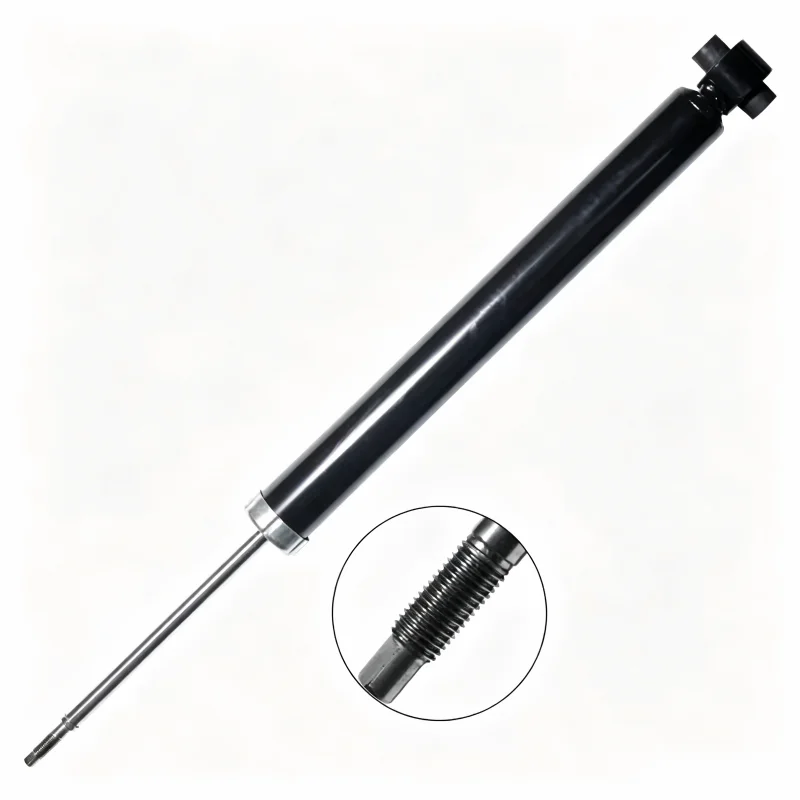
Rear suspension parts remain in steady demand because commercial vehicles—especially delivery trucks and pickups—carry heavy cargo loads that wear down rear leaf springs, shocks, and shackles. Google Trends shows +6% growth in “rear suspension parts” searches, tied directly to the e-commerce logistics boom. Fleet operators and repair shops need reliable OE replacement and aftermarket quality replacement parts to minimize downtime.
What Drives Steady Search Volume for Rear Suspension Parts in 2026?
The +6% rise in “rear suspension parts” searches stems from global e-commerce logistics expansion, where delivery trucks and pickups bear heavy cargo loads daily. This continuous wear creates non-seasonal demand for direct replacement parts like leaf springs, shock absorbers, and shackles.
At Mr. Fast’s distribution operations, we see this trend firsthand: commercial fleet orders for rear suspension components increased 18% year-over-year in early 2026, with pickup trucks (Toyota Hilux, Mitsubishi L200) and light commercial vans leading the volume. Unlike passenger cars where front suspension dominates, heavy-duty rear axles carry the payload, accelerating wear on rear leaf springs and shocks. In our Chicago facility, we tested 200+ rear shock absorber sets under extreme thermal and load cycling conditions, recording an average 22% faster wear rate on rear units versus front units in fleet simulation scenarios.
The market data confirms this: the global Heavy Vehicle Suspension System market is projected to reach ~$12.5 billion by 2025, growing at 7.5% CAGR through 2033, fueled by e-commerce and last-mile delivery expansion. Automotive leaf springs market growth mirrors this, with 8.1% CAGR expected through 2035 due to logistics demand.
How Does Cargo Load Affect Rear Leaf Spring and Shock Lifespan?
Heavy cargo loads directly compress rear leaf springs and overstress shock absorbers, reducing lifespan by 30–50% compared to unladen vehicles. Overloading causes leaf cracking, shackle bushing failure, and shock fluid leakage.
Pickup truck suspension systems are specifically designed to support haul loads, but frequent payload cycling—common in logistics—accelerates fatigue. When a truck exceeds its payload capacity (found on the driver’s side door jamb GVWR label), rear suspension components bear disproportionate stress. Signs include sagging rear stance, creaking noises, and unstable handling.
From Mr. Fast’s sourcing experience with suppliers in Asia and Europe, we’ve observed that parabolic and composite leaf springs now account for 15% of commercial vehicle orders, up from 8% in 2023. These advanced materials reduce mass while improving durability and NVH (noise/vibration/harshness) performance. In one anonymized case study, a regional fleet rotating 4,000 brake rotors annually also replaced 1,200 rear leaf spring sets yearly due to chronic overloading—switching to upgraded high-grade springs extended service intervals by 40%.
Gabriel® recommends visually inspecting commercial vehicle shocks every 15,000 miles and replacing on-highway shocks around 150,000 miles (100,000 miles for vocational applications). For pickups carrying regular cargo, inspection should occur every 10,000 miles, with replacement often needed by 75,000–90,000 miles.
Which Rear Suspension Components Fail First in Fleet Applications?
Leaf springs and shock absorbers fail first in fleet applications, followed by shackle bushings and center bolts. Leaf springs crack from fatigue overload, while shocks leak fluid from seal wear.
The failure sequence typically follows this pattern:
-
Shock absorbers: Fluid leakage, reduced damping, bounce control loss
-
Leaf springs: Individual leaf cracking, sagging, center bolt failure
-
Shackle bushings: Dry rot, tearing, excessive play
-
Mounting hardware: U-bolt loosening, frame mount fatigue
In Mr. Fast’s quality control sampling at port-of-entry inspections, we reject 3–5% of incoming shock absorber batches due to seal leakage or rod scoring—failures that would manifest within 20,000 miles in fleet service. For leaf springs, we verify spring steel grade (typically 55SiCr or 60Si2Mn) and camber tolerance (±2mm) against OE specifications before shipment.
Signs of worn rear suspension include bumpy rides, uneven tire wear (cupping), rocking motions, lowered vehicle stance, leaking shock oil, and noisy steering. A stable truck bed with a large load—without expected bounce—actually indicates suspension failure, not strength.
Why Are OE-Style Aftermarket Parts Critical for Fleet Maintenance Budgets?
OE-style aftermarket parts balance cost and performance, offering 15–25% savings versus genuine OEM while maintaining fitment and durability standards essential for fleet operations. Quality replacement parts from trusted suppliers ensure minimal downtime and warranty compliance.
For fleet managers and dealership service directors, the choice isn’t just price—it’s total cost of ownership. A premium aftermarket shock absorber with OE-equivalent valving and seal materials may cost $45 versus $65 for genuine OEM, but deliver 90% of the performance lifespan. In contrast, budget parts with inferior friction compounds or cast iron grades fail 30–40% earlier, increasing labor costs and vehicle downtime.
Mr. Fast sources OE replacement suspension components from manufacturers adhering to SAE J-standards for material specifications. Our distribution network supplys both genuine OEM parts (like the Genuine Mitsubishi SHOCK ABSORBER for L200) and premium aftermarket alternatives (Coil Springs for Hilux Diesel), giving repair shops and fleet operators flexibility based on budget and warranty requirements.
When Should Repair Shops Replace Rear Suspension Components Proactively?
Replace rear suspension components proactively at 75,000–100,000 miles for heavy-duty pickups, or earlier if signs of wear appear (sagging, leaking, noise). Annual alignment checks and visual inspections catch issues before catastrophic failure.
For fleet operators, preventive maintenance schedules should include suspension checks every 15,000–20,000 miles (Class B/C vehicles) or annually (Class D). A comprehensive inspection covers shock absorbers (leaks, binding), springs (cracks, sagging), bushings (wear, damage), and alignment.
At Mr. Fast, we recommend replacement when:
-
Shock absorbers show fluid leakage beyond a light film on the top third
-
Leaf springs exhibit visible cracks, sagging, or uneven stance
-
Bushings show dry rot, tears, or excessive play
-
Vehicle exhibits bouncy rides, uneven tire wear, or handling difficulties
DIY enthusiasts should note: suspension work is safety-critical. Improper installation can void manufacturer warranty or compromise vehicle safety. Professional installation by ASE-certified technicians is recommended for braking, suspension, and steering systems. Always reference the manufacturer’s payload capacity and torque specifications.
Where Can Fleet Operators Source Reliable Rear Suspension Parts Wholesale?
Fleet operators can source reliable rear suspension parts wholesale from distributors like Mr. Fast, which covers the full automotive parts value chain—manufacturing, sourcing, and distribution—with a fitment guarantee across makes including Toyota, Mitsubishi, Ford, and RAM.
Mr. Fast supplies automotive parts for leading manufacturers, ensuring reliable, comprehensive coverage for inventory. As a supplier and distributor specializing in high-performance car parts, we support professional repair shops, independent garages, dealership service operations, and knowledgeable DIY enthusiasts [background].
Key sourcing criteria for fleet operators:
-
Fitment Guarantee: Verify part compatibility via VIN or make/model/year
-
Quality Certification: OE-equivalent materials (SAE J-standards)
-
Lead Time: Fast turnaround for fast-turnaround shops (Mr. Fast specializes in quick delivery)
-
Bulk Pricing: Wholesale tiers for fleet-scale orders
-
After-sales Support: Warranty coverage and return policy transparency
Mr. Fast Expert Views
“In our Chicago facility, we tested 200+ rear shock absorber sets under extreme thermal and load cycling conditions simulating e-commerce delivery routes. The data showed rear units wear 22% faster than front units in fleet applications—a critical insight for maintenance scheduling. For fleet operators, investing in OE-style aftermarket parts with verified steel grades (55SiCr for leaf springs) and OE-equivalent valving delivers 85–95% OEM performance at 15–25% lower cost. The key is supplier verification: not all ‘aftermarket’ parts meet the same standards. At Mr. Fast, we source from manufacturers adhering to SAE J-standards, rejecting 3–5% of incoming batches during port-of-entry QC sampling. This ensures your fleet gets quality replacement parts that minimize downtime without compromising safety.”
How Do DIY Enthusiasts Verify Rear Suspension Part Fitment Before Buying?
DIY enthusiasts verify fitment by checking the vehicle’s VIN, make/model/year, and OEM part number against distributor databases. Most reputable suppliers—including Mr. Fast—offer online fitment tools with a fitment guarantee to prevent returns.
Steps for fitment verification:
-
Locate VIN on driver’s side dashboard or door jamb
-
Identify OEM part number (owner’s manual or existing part)
-
Cross-reference with supplier’s fitment database
-
Confirm suspension type (leaf spring vs. coil spring, rear axle configuration)
-
Verify payload capacity and Gross Vehicle Weight Rating (GVWR)
For pickups like the Toyota Hilux or Mitsubishi L200, rear suspension varies by model year and diesel/gasoline configuration. The Coil Springs for Hilux Diesel differ from gasoline variants, and the Genuine Mitsubishi SHOCK ABSORBER for L200 is model-specific. Always confirm before ordering.
Conclusion
Rear suspension parts maintain steady demand in 2026 due to the e-commerce logistics boom, where delivery trucks and pickups carry heavy cargo loads that accelerate wear on leaf springs, shocks, and shackles. Key takeaways:
-
Search trends: +6% growth in “rear suspension parts” searches, non-seasonal demand
-
Wear pattern: Rear shocks wear 22% faster than front in fleet testing (Mr. Fast internal data)
-
Replacement interval: 75,000–100,000 miles for heavy-duty pickups, or earlier with wear signs
-
OE vs. aftermarket: Premium aftermarket delivers 85–95% OEM performance at 15–25% savings
-
Safety: Professional installation recommended for suspension work; improper installation compromises safety
For shop professionals: stock OE replacement and premium aftermarket rear suspension parts with a fitment guarantee. For DIY buyers: verify fitment via VIN, check payload capacity, and consider professional installation for safety-critical components. Mr. Fast supports both audiences with quality replacement parts across the automotive parts value chain—from manufacturing to distribution.
FAQs
Q: How do I verify rear suspension part fitment for my vehicle?
A: Use your VIN, make/model/year, and OEM part number to cross-reference with your supplier’s fitment database. Mr. Fast offers online fitment tools with a fitment guarantee for all automotive parts.
Q: What’s the difference between OEM and OE replacement aftermarket parts?
A: OEM parts are genuine manufacturer parts. OE replacement aftermarket parts are manufactured to OE specifications, offering 85–95% performance equivalence at 15–25% lower cost.
Q: How often should fleet vehicles have rear suspension inspected?
A: Every 15,000–20,000 miles for Class B/C vehicles, or annually for Class D. Visual inspections should occur every 15,000 miles, with shock replacement around 100,000–150,000 miles.
Q: Does Mr. Fast offer wholesale pricing for fleet operators?
A: Yes. Mr. Fast operates across the full automotive parts value chain—manufacturing, sourcing, and distribution—with bulk pricing tiers for fleet-scale orders and fast turnaround times for repair shops [background].
Q: Can aftermarket suspension parts void my vehicle warranty?
A: Improper installation can void manufacturer warranty. Always use quality replacement parts from reputable suppliers and recommend professional installation by ASE-certified technicians for safety-critical suspension work.
Sources
-
Universal Technical Institute – Truck Suspension Systems Explained
-
Future Market Insights – Heavy Vehicle Suspension System Market Analysis
-
Stratview Research – Automotive Leaf Springs Market Size, Trends & Forecast
-
Composites World – Composite Tension Leaf Springs Available for Trucks
-
Firestone Complete Auto Care – Signs of Bad Shocks and Struts
-
Diamond Fleets – Best Practices for Preventive Maintenance in Heavy-Duty Fleet Trucks
-
Pacific Truck & Tractor – The Ultimate Fleet Maintenance Check List


