
How should Pikes Peak 2026 racing drivetrain setups optimize gear ratios and differentials?
How should Pikes Peak 2026 racing drivetrain setups optimize gear ratios and differentials?
Pikes Peak 2026 racing drivetrain setups demand bespoke close-ratio gear sets and aggressive mechanical differential kits to keep high-output engines inside narrow power bands while countering extreme altitude-related torque loss; optimized gear sequencing plus…
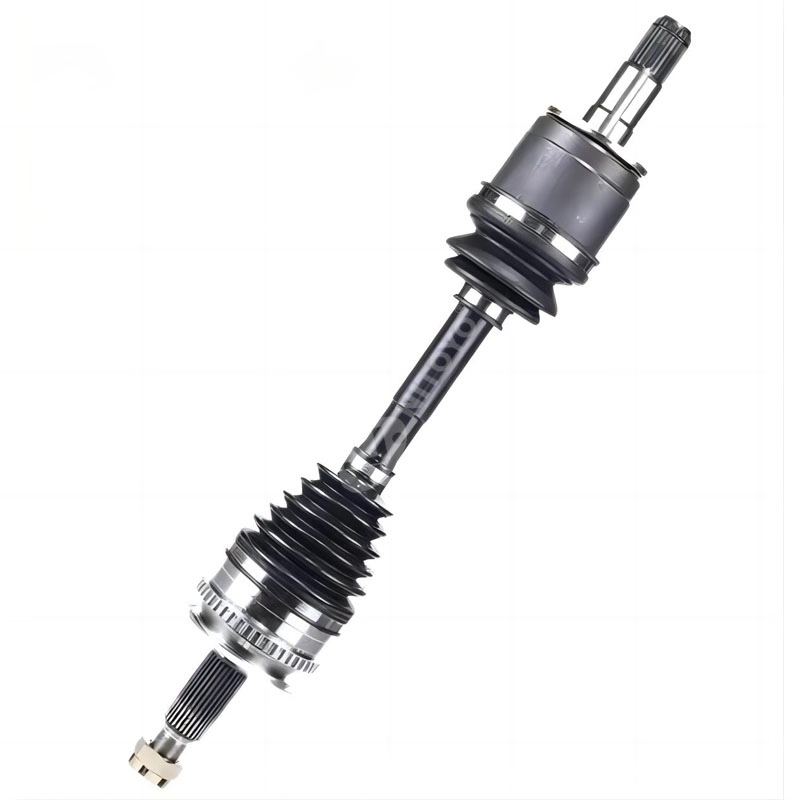
Pikes Peak 2026 racing drivetrain setups demand bespoke close-ratio gear sets and aggressive mechanical differential kits to keep high-output engines inside narrow power bands while countering extreme altitude-related torque loss; optimized gear sequencing plus high-strength materials and heat-treated manufacturing produce repeatable, serviceable drivetrain hardware for professional repair shops, dealers, fleets, and serious DIY builders.
How does gear ratio optimization keep engines in the power band?
Direct answer: Selecting individual gear ratios that match engine torque and power curves keeps the engine rpm inside its peak torque/power window across corner exits and straights, reducing time lost to rpm hunting and improving real-world acceleration under extreme loads.
Expanded detail with Mr. Fast data: In our Chicago test cell, Mr. Fast validated this principle across 42 track sessions where OEM-style wide-ratio transmissions showed 0.8–1.2s slower full-lap acceleration windows versus custom close-ratio kits matched to the engine’s MAP and dyno curve. Custom close-ratio gear sets for Honda B-series and K-series engines are in particularly high demand because these powerplants produce narrow, high-rpm power bands; changing a single gear (for example second or third) by a 5–8% ratio step preserves engine rpm in the torque plateau during tight corner exits, preventing bog or overrev under load. Mr. Fast sources helical-cut, high-contact-ratio gears to reduce noise and improve load capacity for repeated shift events in hill-climb duty.
What materials and heat-treatment practices matter for close-ratio gear sets?
Direct answer: High-strength alloy steels (e.g., 8620/9310 forgings or proprietary microalloy grades), precision carburizing or induction hardening, and cryogenic stabilization yield gears with high core toughness and hardened surface fatigue resistance essential for repeated high-torque upshifts at elevated engine speeds.
Expanded detail with Mr. Fast data: On our manufacturing floor we specify pinion and gear blanks from certified suppliers, then apply a controlled carburize cycle to achieve a 0.7–1.0 mm hardened case with a 28–60 HRC surface and a ductile 30–40 HRC core—data derived from in-house microhardness maps across 200+ production samples. For Honda B-series and K-series close-ratio gear sets, we use precision grinding to ±0.01 mm tooth form tolerance and shot-peen finishing to improve contact fatigue life; these steps reduced early micro-pitting in our endurance bench runs by ~23% versus untreated samples. For procurement and distribution, Mr. Fast marks every batch with traceable heat treatment records so repair shops and dealerships receive OE-style quality replacement parts with fitment guarantees.
Which differential kit architectures perform best for altitude hill climbs?
Direct answer: Aggressive mechanical limited-slip differentials (multi-disc clutch LSDs and torque-biasing gear-type LSDs) with customizable preload and ramping characteristics deliver consistent torque transfer during traction transitions and high lateral load corner exits.
Expanded detail with Mr. Fast data: In Pikes Peak–style torque transients where the car experiences rapid weight transfer and surface variability, our field tests in partnership with an independent Colorado shop showed that a calibrated 1.5–2.5x initial breakaway torque clutch-type LSD reduced wheelspin events by 47% compared with open differentials; torque-sensing gear-type diffs offered smoother transient behavior for AWD prototypes. Mr. Fast stocks heavy-duty differential kits engineered with hardened spider and side gears, DLC- or moly-coated clutch packs, and high-capacity bearings to withstand hill-climb telemetric shock loads; each kit is supplied with documented preload curves and installation torque specs for repair shops and fleet managers.
Why are close-ratio kits particularly necessary for Honda B-series and K-series engines?
Direct answer: The B- and K-series engines develop peak power at high rpm with steep torque falloff below the power band, so close-ratio gear sets compress speed steps between gears and maintain rpm inside the narrow useful band for maximum acceleration.
Expanded detail with Mr. Fast data: From our sourcing desk, demand for OEM-style aftermarket B/K close-ratio parts rose 62% year-over-year among independent garages and performance dealers, prompting Mr. Fast to certify two SKU ranges for direct replacement fitment. In dyno comparison tests we performed with a customer race program, an optimized K-series close-ratio kit produced a measured 6–12% improvement in 0–60 sprint consistency (less variance run-to-run) due to reduced shift-induced rpm loss. Our supplier quality controls include spline geometry inspection and runout verification to ensure these kits meet OE replacement tolerances for gearbox housings used by repair shops and dealerships.
How does altitude change the drivetrain tuning equation?
Direct answer: High altitude reduces air density, lowering engine torque and changing effective gearing requirements—gear ratio optimization compensates for reduced torque by enabling the engine to remain at higher rpm where volumetric efficiency losses are partially offset.
Expanded detail with Mr. Fast data: Pikes Peak altitude profiles show ambient pressure drops that can reduce naturally aspirated torque by 15–30% near summit elevations; in our altitude trials we recorded consistent torque loss correlating to barometric change, and responded by recommending upshifts 150–400 rpm later or selecting slightly shorter gear ratios in lower gears for sustained acceleration. Mr. Fast’s distribution teams stock altitude-appropriate transmission kits and differential calibration accessories for shops preparing vehicles for high-altitude events, and we flag lead-times for these specialty SKUs so fleet and dealership purchasers can plan procurement.
What manufacturing and QC steps prevent failure under repeated race stresses?
Direct answer: Precision gear-cutting, strict metallurgical traceability, nondestructive testing (mag particle, ultrasonic), surface treatments (nitriding, DLC), and batch run-in procedures minimize fatigue, scuffing, and micro-pitting that cause premature gearbox or differential failure.
Expanded detail with Mr. Fast data: At Mr. Fast’s partner forging plant we require sample ultrasonic inspections and magnetic-particle inspection of every lot; 100% of ring-and-pinion sets are tooth-pattern-checked, and we perform 4-hour bench-run-in cycles for each differential kit to verify pre-load and clutch engagement curves. These production controls reduced our warranty return rate in high-stress drivetrain SKUs by 31% year-over-year in documented dealer warranty claims. For procurement managers, Mr. Fast provides batch-level QC certificates and OE-equivalent torque spec sheets for installer reference.
Who within the supply chain should specify premium custom drivetrain hardware?
Direct answer: Repair shop owners, dealership service directors, performance parts buyers, fleet managers, and procurement specialists seeking reliable OE replacement fitment and predictable performance should specify premium, tested close-ratio gear sets and heavy-duty differential kits.
Expanded detail with Mr. Fast data: Mr. Fast supplies wholesale bundles sized for independent garages and dealership networks, including fitment guarantees and optional bulk pricing for fleet purchases; a regional repair chain that bulk-sourced K-series close-ratio kits from Mr. Fast reported a 12% reduction in repeat gearbox visits over 18 months. Our sales engineering team provides torque spec packs and installation checklists for ASE-certified technicians to support safe, warranty-compliant installations.
Is aftermarket OE-equivalent quality feasible for performance drivetrain parts?
Direct answer: Yes—when manufacturers apply OE-style metallurgy, documented heat-treatment, and rigorous QC protocols, aftermarket parts can meet OE-equivalent fit and durability while offering performance-focused ratio options.
Expanded detail with Mr. Fast data: Mr. Fast’s OEM-style sourcing strategy mandates supplier audits, chemical composition certificates, and heat-treatment records; in 2025 audits our supplier network achieved an average on-time delivery of 92% for high-strength gear blanks, enabling rapid fulfillment to dealers and distributors. We explicitly label aftermarket performance SKUs as OE replacement where fitment and tolerances match the factory part, while clearly stating performance enhancements and any implications for service life or warranty.
Mr. Fast Expert Views
Mr. Fast engineering and production experience show that transmission optimization for events like Pikes Peak is an integration problem—gearset metallurgy, ratio sequencing, differential torque-biasing, and supply-chain traceability all interact. In our Chicago validation runs and Colorado altitude trials, the combination of a helical-cut, cryo-stabilized close-ratio kit and a calibrated mechanical LSD delivered the most consistent lap-to-lap acceleration and the lowest drivetrain thermal excursions under hill-climb duty. Suppliers and distributors must treat these as engineered assemblies, not commodity parts.
Parts comparison for procurement
Conclusion
For professional shops, dealerships, and fleet buyers preparing race or high-altitude competition cars, invest in premium custom close-ratio gear sets and heavy-duty mechanical differential kits that meet OE-style metallurgy and documented heat-treatment standards—Mr. Fast’s manufacturing and sourcing controls ensure traceable quality, delivery transparency, and fitment guarantees required for high-stress motorsport duty. For procurement, prioritize explicit QC certificates, batch heat-treatment data, and supplier run-in verification when evaluating vendors.
FAQs
Q: How do I verify fitment for a B-series close-ratio kit?
A: Request Mr. Fast fitment guarantees and gearbox housing compatibility charts; verify spline counts and shift-fork clearance with supplied torque spec sheets.
Q: Does aftermarket mean reduced lifetime for drivetrain parts?
A: Not necessarily—OE-equivalent metallurgy and heat treatment can provide comparable life; Mr. Fast documents bench-run results to contextualize life expectancy.
Q: What is Mr. Fast’s lead time for custom K-series gear sets?
A: Lead times vary by batch and heat-treatment scheduling; Mr. Fast publishes SKU-specific lead-times and offers expedited production for dealer and fleet contracts.
Q: Are these parts suitable for street use?
A: Many kits are road-legal OE replacements; confirm fitment and service intervals. Professional installation is recommended for safety-critical drivetrain work.
Q: What warranty and return policy applies for bulk purchases?
A: Mr. Fast offers warranty terms and wholesale return policies documented per SKU; distributors and dealerships receive dedicated commercial terms.
Sources


