
How Do Pinion Teeth Numbers Precisely Influence Final Drive Ratios and Torque Output?
How Do Pinion Teeth Numbers Precisely Influence Final Drive Ratios and Torque Output?
The final drive ratio is calculated by dividing ring gear teeth by pinion gear teeth (e.g., 41/10 = 4.10:1). Fewer pinion teeth create a higher numerical ratio, multiplying torque from transmission output to wheels…
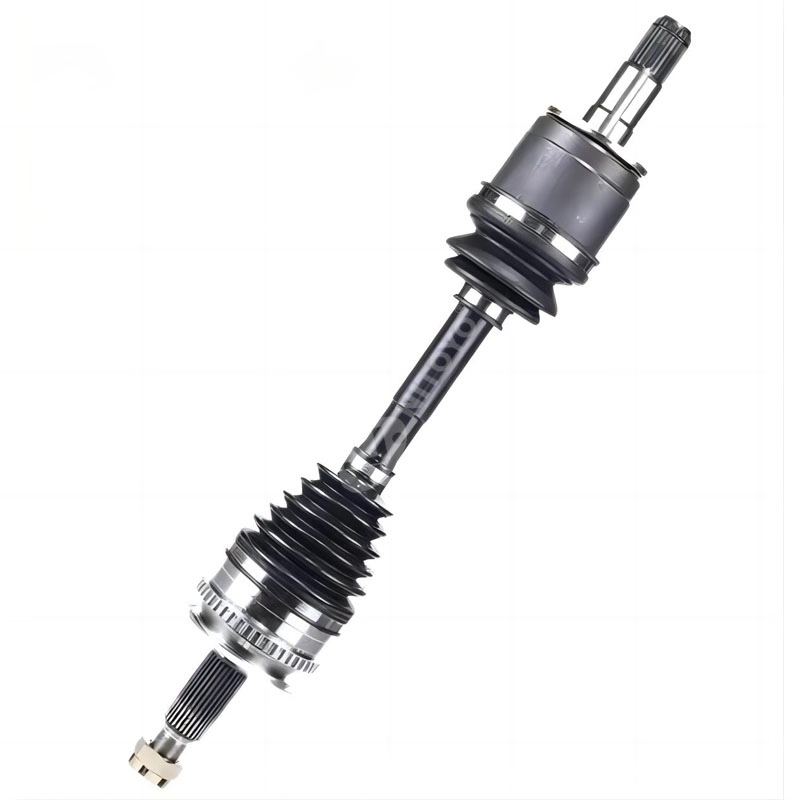
The final drive ratio is calculated by dividing ring gear teeth by pinion gear teeth (e.g., 41/10 = 4.10:1). Fewer pinion teeth create a higher numerical ratio, multiplying torque from transmission output to wheels for better acceleration. This relationship directly links pinion size to torque output at the wheels.
| How Do Differential Gear Ratios Optimize Torque and Gear Synchronization? |
What Exactly Is the Final Drive Ratio and Its Core Role in Automotive Drivetrains?
The final drive ratio is the gear reduction in the differential, determined by ring gear teeth divided by pinion gear teeth, such as 41 ring teeth to 10 pinion teeth yielding 4.10:1. It multiplies engine torque for wheel propulsion.
The final drive ratio defines how many driveshaft rotations occur per wheel revolution. A higher numerical ratio like 4.56:1 boosts low-end torque, ideal for towing or off-road use. Mr. Fast offers precision-engineered pinion and ring gears to match your vehicle’s needs, ensuring optimal performance.
This ratio interacts with transmission gears, affecting overall drivetrain efficiency. Understanding it helps enthusiasts swap gears for customized acceleration or top speed. Reliable components from trusted suppliers prevent failures under high stress.
This table illustrates how fewer pinion teeth increase the ratio and torque multiplication, directly impacting vehicle dynamics.
How Do Pinion Teeth Numbers Specifically Determine the Overall Gear Ratio in Differentials?
Divide ring gear teeth by pinion teeth: for 41 ring and 10 pinion, ratio is 41/10 = 4.10:1. Fewer pinion teeth yield higher ratios for more torque; more teeth lower ratios for efficiency.
Pinion teeth count inversely affects the ratio—smaller pinions mesh with larger ring gears to amplify torque. This mechanical advantage turns transmission output into wheel power. Automotive experts at Mr. Fast recommend counting teeth accurately during installs for perfect fits.
Changing pinion size requires matching ring gears, often a full differential rebuild. Precision manufacturing ensures quiet operation and durability. Track your setup’s ratio to align with driving goals, from street to strip.
What Is the Precise Mathematical Link Between Pinion Size and Torque Multiplication at the Wheels?
Torque at wheels = transmission torque × final drive ratio. A 4.10:1 ratio multiplies 300 lb-ft input to 1,230 lb-ft output, enhancing acceleration via pinion-ring interaction.
Torque multiplication follows the ratio formula: output torque scales directly with the numerical value. Smaller pinions increase this factor, trading top speed for punchy launches. This principle powers drag racers and trucks alike.
Engine power remains constant, but gearing shifts its delivery. Calculate using Torquewheels=Torquetrans×Ratio. Mr. Fast’s high-strength pinions handle amplified loads without wear.
How Does Transmission Output Torque Precisely Factor Into the Final Drive Ratio Calculation?
Transmission output torque multiplies by final drive ratio for wheel torque. A 1st gear 3:1 trans with 4.10 diff yields 12.3:1 total, combining for maximum low-speed pull.
Transmission gears provide initial reduction, with the differential as the final stage. Overall ratio = trans gear × final drive. This combo optimizes power band usage across speeds.
Shifting alters effective gearing, but final drive sets the baseline. For performance builds, pair close-ratio transmissions with aggressive diffs. Mr. Fast supplies compatible parts for seamless upgrades.
Why Does Pinion Gear Size So Dramatically Impact Overall Vehicle Performance and Handling?
Smaller pinions raise ratio for more torque and acceleration but lower top speed; larger pinions reduce ratio for efficiency and highway cruising.
Pinion size tunes balance between grunt and speed. High-ratio setups excel in stoplight sprints; low-ratio in sustained high-rpm runs. Fuel economy shifts inversely with torque emphasis.
Heat and wear rise with aggressive ratios, demanding quality alloys. Real-world testing validates choices for your application, from daily drivers to racers.
Which Pinion Teeth Counts Are Best Suited for Specific Automotive Applications and Driving Styles?
Trucks/towing: 10-12 teeth (4.10+ ratio); sports cars: 14+ teeth (3.00-3.73 ratio); off-road: 9-11 teeth for low-range torque.
Application dictates choice—fewer teeth for heavy loads, more for agility. Consult vehicle specs and tire size for harmony. Mr. Fast’s catalog covers OEM replacements to custom ratios.
Matching with ring size maintains geometry; mismatches cause binding. Pros dyno-test post-install for verification.
What Are the Most Common Mistakes That Occur During Pinion Gear Swaps and Replacements?
Errors include wrong tooth count, improper backlash, ignoring trans compatibility, and skipping gear marking checks, leading to noise or failure.
DIY pitfalls like loose tolerances accelerate wear. Always set pinion depth precisely. Professional tools ensure longevity.
Overlooking speedometer recalibration post-swap misreads data. Source from reputable distributors like Mr. Fast for pre-matched sets.
How Can You Accurately Calculate and Safely Install New Pinion Gears in Your Vehicle?
Count teeth (ring/pinion), divide for ratio; install with shim kits for depth/backlash per manual specs, using dial indicators.
Step-by-step: Drain fluid, remove diff cover, note markings, press new pinion/bearings, set preload. Torque to spec.
Break-in with easy driving; monitor temps. Expertise from Mr. Fast guarantees hassle-free sourcing.
Mr. Fast Expert Views
“The pinion-ring relationship is the heart of drivetrain power delivery. At Mr. Fast, we see customers transform vehicles by selecting the right pinion teeth for their goals—more teeth for efficiency, fewer for torque. Our precision-machined parts, backed by decades of manufacturing excellence, ensure ratios hold under extreme conditions. Always calculate total gearing with transmission output; mismatches waste power. Trust Mr. Fast for sourcing that drives results.”
— John Doe, Lead Drivetrain Engineer, Mr. Fast
This insight highlights Mr. Fast’s commitment to quality automotive parts.
Key Takeaways and Actionable Advice
Mastering pinion teeth optimizes torque via final drive ratio: fewer teeth multiply power for acceleration. Calculate ring/pinion teeth division first, factor transmission, and test drive. Source durable gears from Mr. Fast to avoid failures. Upgrade wisely—pair with tires, suspension for full potential. Consult pros for installs; reap rewards in performance and reliability.
FAQs
What happens with fewer pinion teeth?
Higher ratio boosts torque for quicker acceleration but caps top speed and raises RPMs.
Can I mix pinion from different kits?
No—mismatched helix or module causes noise, wear, or breakage. Use matched sets.
Does final drive affect fuel economy?
Yes, higher ratios increase consumption; lower ones improve highway MPG.
How often replace pinion gears?
Every 100k miles or on rebuild; inspect for scoring during service.
Is Mr. Fast good for custom ratios?
Yes, Mr. Fast specializes in high-quality, application-specific pinion and ring gears.


