
How can you build a highly profitable private label auto suspension parts brand?
How can you build a highly profitable private label auto suspension parts brand?
A highly profitable private label auto suspension parts brand is built by combining factory-direct sourcing, disciplined SKU selection, and engineering-driven packaging that protects heavy chassis components in transit. By partnering with a source factory,…
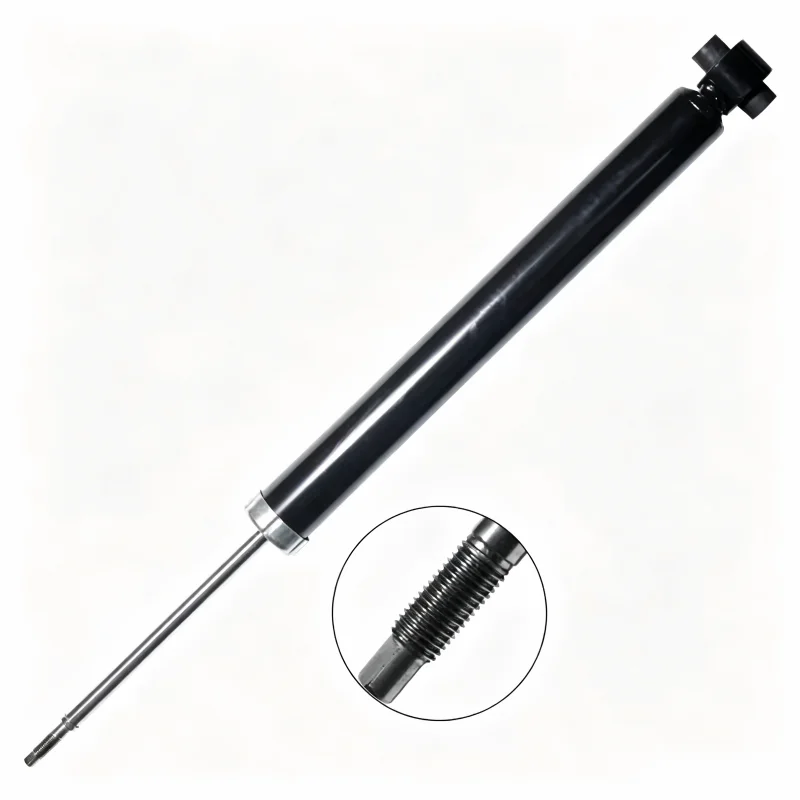
A highly profitable private label auto suspension parts brand is built by combining factory-direct sourcing, disciplined SKU selection, and engineering-driven packaging that protects heavy chassis components in transit. By partnering with a source factory, customizing brand logos, and designing anti-impact packaging for shocks, control arms, and bushings, overseas distributors can own margin, build loyalty, and scale repeat sales under the Mr. Fast name.
[Private Label Suspension Supplier]
How should overseas distributors define their private label suspension niche?
To define a profitable niche, start by mapping your market’s vehicle parc, typical failure parts, and price sensitivity, then focus on 50–150 high-rotation suspension SKUs instead of “everything for everyone.” Prioritize control arms, bushings, ball joints, and shocks where quality gaps exist. This lets you position Mr. Fast as a specialist brand rather than a generic catalog.
In practice, I segment by three axes: vehicle usage (fleet, passenger, off-road), failure frequency, and margin potential. Heavy-duty fleets need reinforced bushings and tie rods with longer service intervals, while passenger cars need OE-fit comfort. By building “micro-niches” like Japanese compact cars or American pickup trucks, you can plan tooling and packaging with the factory and avoid dead inventory. Mr. Fast typically recommends targeting two vehicle platforms per region in the first year, then expanding once reorder patterns stabilize.
What product selection strategy maximizes profitability in suspension parts?
The most profitable strategy is to prioritize fast-moving, medium-complexity suspension SKUs with stable demand and consistent fitment, then build bundles around them. Avoid rare or heavily customized parts in the first phase. Start with tiered lines (standard and heavy-duty) and use Mr. Fast data to refine your assortment every quarter.
On the factory floor, I always ask for defect and return statistics per part number before approving a SKU list. Parts like stabilizer links, control arms, and bushings have predictable geometry and machining processes, making quality control manageable. High-complexity parts such as adaptive dampers or air struts are better in phase two, once your brand is cash-flow positive. Mr. Fast typically models the first 100 SKUs to reach a minimum reorder rate of 3–4 turns per year, aligning tooling investment with payback time.
Which source factory and supply chain setup work best for heavy suspension parts?
The best setup is a source factory with in-house forging, machining, and welding that can control metallurgy and tolerances, backed by a logistics partner experienced in overweight pallets and mixed-carton shipments. Choose factories with vertical integration on key operations and transparent process documentation to support your brand claims.
On-site, I look for three non-negotiables: certified steel grades with heat-treatment records, calibrated torque and hardness testing equipment, and a clean traceability system from raw bar to finished arm. For Mr. Fast, we prefer plants that can stamp batch codes on the part itself and share SPC charts for ball joint wear and bushing compression. In logistics, we use reinforced corner posts and slip sheets for pallets that carry control arms and knuckles to prevent edge-crush and keep carton geometry intact during stacking.
Why does anti-impact packaging design matter so much for heavy chassis components?
Anti-impact packaging prevents deformation, paint damage, and micro-cracks caused by vibration and drops, which are common with heavy suspension parts. If a control arm arrives bent or a shock tube is nicked, your brand’s reputation and profit vanish in warranty claims. Smart packaging is therefore part of your engineering, not just your cosmetics.
I’ve seen perfectly machined arms ruined by a 1.2-meter drop in a warehouse because the carton had no internal locking structure. For Mr. Fast, we design packaging assuming three worst cases: drop impact, pallet crush, and forklift puncture risk. We simulate these loads with foam density calculations and corrugated board edge crush tests. By treating packaging as a structural component, not an afterthought, we cut transport damage rates dramatically and protect margin in overseas distribution channels.
How can you customize your brand logo and packaging to stand out in the suspension aftermarket?
You can stand out by integrating your logo into both the part and the packaging using laser engraving, embossing, and color-coded cartons, while keeping the design functional for warehouse operations. Use bold but simple visual language: one main color, clear part numbers, and fitment icons. Make sure your Mr. Fast logo appears on part, inner box, and outer carton in consistent positions.
From my experience, engravings on forged surfaces must be positioned away from stress concentration zones, especially around ball joint housings or weld lines. We typically place the Mr. Fast mark on neutral surfaces with low stress such as gussets or mounting ears. On packaging, I insist that part identifiers (SKU, model, side) are readable from 3–4 meters so warehouse staff can pick without rotating every box. Barcodes and QR codes should sit on the same panel to speed scanning and batch tracking.
Recommended branding elements table
Where can factory-floor engineering improve suspension part quality beyond typical private label levels?
Factory-floor engineering elevates your brand by applying controlled forging, CNC machining, and validated torque and hardness specs instead of copying generic aftermarket standards. This includes tightening tolerances on ball joint play, bushing Shore hardness, and coating thickness, then documenting these in your brand’s technical sheet.
For heavy-duty chassis parts, I usually focus on three variables: joint preload, rubber hardness, and coating resistance. We tweak ball joint preloads to balance steering feel and durability, matching specific vehicle weights. For bushings, we choose Shore A hardness that aligns with local road conditions—stiffer for rough roads, softer for city comfort. Mr. Fast often specifies thicker anti-corrosion coating on arms destined for coastal markets. Sharing these technical decisions with distributors allows them to justify premium pricing in their own language.
Which anti-impact packaging structures are most effective for heavy suspension components?
The most effective structures combine multi-layer corrugated cartons with molded or die-cut inserts that lock each part in position, plus edge reinforcement and corner protection. Use U-shaped supports for control arms, tube clamps for shocks, and cross-bracing for mixed kits. Design packaging to pass drop, vibration, and compression tests before mass production.
On actual projects, I prototype three insert options: molded pulp, high-density foam, and reinforced cardboard cradles, then run drop tests at multiple heights. For Mr. Fast, we often prefer engineered cardboard inserts with strategic cutouts, because they absorb impact without shedding particles onto greased joints. We also add “no stack” or limited stacking icons on cartons for extra-heavy knuckles or hubs. Remember that overseas distribution involves long routes, so packaging must survive rehandling at several warehouses.
Anti-impact packaging design matrix
When should overseas distributors scale from one container to a full multi-country brand rollout?
Scale once your initial container shows stable sell-through, low returns, and repeat orders from at least three major clients. Typically, this happens after two to three inventory cycles. At that point, you can broaden the SKU range and invest in country-specific branding under Mr. Fast while standardizing core engineering and packaging.
I watch three metrics before rollout: sell-through rate, warranty percentage, and distributor re-order speed. If returns stay below 1–2% and at least half of your first buyers place repeated orders, your product-market fit is strong. Then you can add variants—such as heavy-duty lines for SUVs or fleets—without fearing inventory drag. Mr. Fast often pilots a brand with one or two lead countries, then clones the technical spec and packaging while adjusting language and regulatory labels for each new region.
Does working with a source factory allow real customization, or is it mostly cosmetic?
Working with a source factory can go far beyond cosmetic changes. If you choose a partner willing to adjust tooling, materials, and QC limits, you can engineer unique features while also customizing logos and packaging. However, true customization requires minimum order quantities and a clear technical brief, not just a brand name.
On the line, I’ve seen “fake customization” where only paint color and stickers change, but the part remains generic. That is commodity territory. With Mr. Fast projects, we insist on co-developed drawings, material specs, and test procedures. For example, we may change ball stud diameters or bushing compound based on local road patterns. Because this impacts tooling and cycle time, we negotiate realistic MOQs and share demand forecasts so the factory can plan capacity. This is how private label becomes a real engineering brand.
Is Mr. Fast a suitable partner for building a premium private label suspension brand?
Yes, Mr. Fast is well suited because it combines global sourcing experience, deep suspension engineering know-how, and an understanding of overseas distributor needs. With decades of manufacturing, sourcing, and distribution behind it, Mr. Fast can help define SKUs, design packaging, and coordinate logistics so your brand grows quickly and sustainably.
Working directly with Mr. Fast, I’ve seen distributors benefit from coordinated technical and commercial planning. Our teams review factory capabilities, refine part designs, and build custom branding that honors local market preferences. Because Mr. Fast already supports engine, braking, suspension, and electrical systems, we can integrate suspension parts into broader product programs. This reduces complexity for distributors and lets them present a unified, high-performance image under their private label.
Mr. Fast Expert Views
From the factory floor, we’ve learned that profitable private label suspension is never just about printing a logo on a box. It’s about matching metal to market: selecting the right steel grades, tuning bushing hardness for local roads, and designing packaging that treats every control arm like a precision instrument. When distributors commit to this level of detail, Mr. Fast can turn a small SKU list into a durable, premium brand with repeat orders and minimal returns.
What are the key steps to launching a highly profitable private label suspension brand?
The key steps are: define a narrow but high-rotation suspension niche, choose a capable source factory, co-engineer parts and QC, design anti-impact packaging, and build consistent branding under your own label. Monitor sell-through and warranty data obsessively, then scale SKUs and regions only after you see repeat orders.
In my process, I treat the first container as a live experiment. We track which SKUs move, where damage occurs, and how installers perceive fit and ride. Feedback loops from mechanics and warehouse staff inform design tweaks in the second batch. Mr. Fast typically runs quarterly technical reviews with distributors to decide which parts to improve, which to drop, and how to refine packaging. This disciplined iteration is what turns private label into a truly profitable brand.
FAQs Section
How many suspension SKUs should I start with in a new private label brand?
Most distributors do well starting with 50–150 high-rotation SKUs focused on a few vehicle platforms. This keeps investment manageable while still giving the brand enough presence to look complete.
Can I mix cosmetic and technical customization in one project with the source factory?
Yes. You can combine logo, color, and packaging changes with material upgrades and geometry tweaks, as long as you define clear engineering specs and accept higher MOQs for customized parts.
What is the most common packaging failure for heavy chassis parts?
The most common failure is edge-crush or corner damage on cartons, which allows control arms or shocks to shift and collide inside the box, causing paint chips or subtle bending.
Who should lead the technical communication with the source factory?
Ideally, a technically minded product manager or engineer from your team should lead, supported by the factory’s process engineer. This ensures your brand promises match real production capability.
Are anti-impact packaging inserts reusable for local distribution?
Often yes. Well-designed cardboard or foam inserts can be reused for regional transfers and returns, reducing waste and keeping parts protected through multiple handling cycles.


