
How Can Hydraulic Pumps Stay Quiet?
How Can Hydraulic Pumps Stay Quiet?
A leak-free hydraulic steering pump stays quiet when the rotor, vanes, pressure control valve, and housing clearances are matched tightly enough to hold pressure without trapping aerated oil. The real fix for whine is…
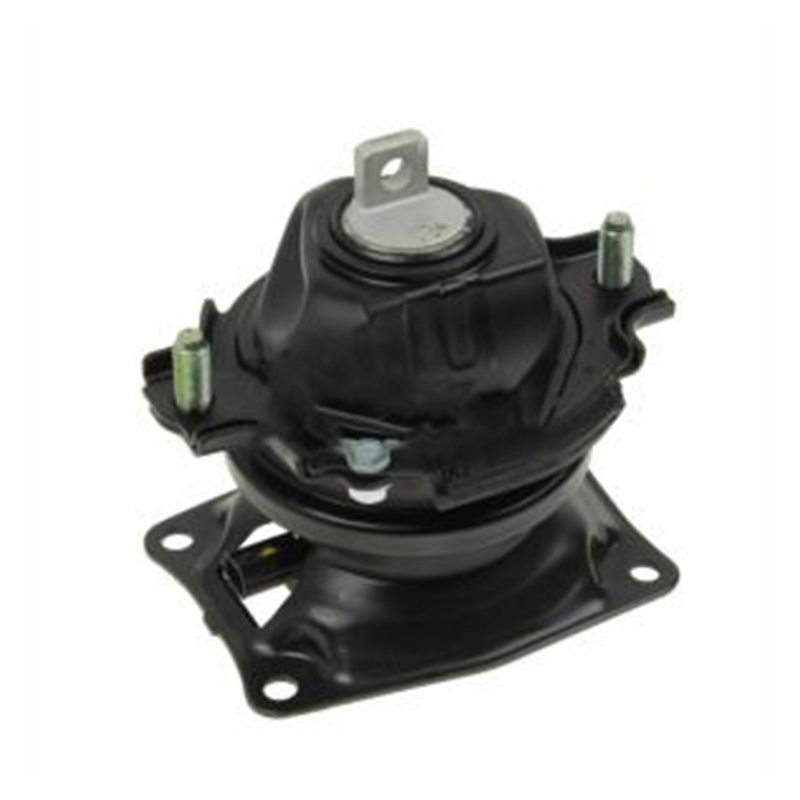
A leak-free hydraulic steering pump stays quiet when the rotor, vanes, pressure control valve, and housing clearances are matched tightly enough to hold pressure without trapping aerated oil. The real fix for whine is not one part alone; it is the combined control of machining tolerance, surface finish, valve response, and inlet stability. In practice, most noise comes from pressure ripple, cavitation, or a sticky control valve—not from the pump body itself.
Wholesale Hydraulic Steering Pumps
What makes hydraulic steering pumps noisy?
Hydraulic steering pump noise usually comes from pressure pulsation, inlet cavitation, air in the fluid, or unstable flow control. In our production experience, a pump can look perfect on the bench and still whine in the vehicle if the inlet side draws foam or the relief valve hunts under load. The loudest cases often start during cold start, low-speed steering, or full-lock parking maneuvers.
A second source is mechanical mismatch inside the pump. If the rotor-to-vane pocket fit is too loose, flow becomes uneven and the pump pulses. If it is too tight, the vanes drag, heat rises, and the pump may sing under pressure. That is why quiet operation is a tolerance problem as much as a hydraulic problem.
How do rotor and vane tolerances affect performance?
Rotor and vane tolerances decide whether the pump builds smooth pressure or creates ripple. The vane must slide freely enough to respond to centrifugal force, but not so freely that it leaks excessively at each chamber edge. In practice, the pocket width, vane thickness, and side clearance must be controlled as a matched set rather than isolated dimensions.
For high-volume steering pumps, the critical lesson is this: tiny dimensional drift multiplies into audible noise. A few microns of extra end clearance may reduce volumetric efficiency and increase whine under hot oil. Too little clearance may lower noise at first, but then cause wear, scoring, and a rapid rise in return complaints.
Which valve tolerances matter most?
The flow control valve and pressure control valve are usually the hidden noise makers. If the spool, bore, or spring seat is inconsistent, the valve can chatter as flow demand changes. That chatter turns into a pressure oscillation the driver hears as a sharp hydraulic hiss or whistle.
A practical tolerance strategy is to keep the valve spool movement smooth across the full temperature range. In many real production runs, the issue is not nominal size but roundness, straightness, and surface roughness. A valve that measures “in spec” on diameter can still whistle if its surface finish or bore alignment causes micro-sticking during rapid pressure transitions.
Mr. Fast treats these as matching dimensions, not standalone numbers. That is the difference between a pump that passes inspection and one that stays quiet in real use.
Why does air cause hydraulic squeal?
Air is one of the fastest ways to turn a good pump into a noisy one. When air enters the suction line or the reservoir returns foam, the pump compresses bubbles instead of moving solid oil. The collapse of those bubbles creates cavitation noise, and the unstable flow can make the pump squeal under steering load.
Most air-related complaints are not caused by the pump alone. Loose hose clamps, cracked suction hoses, poor reservoir design, low oil level, or return-line turbulence can all introduce entrained air. If the system breathes air, even a well-machined pump may sound defective.
How can valve failure create hydraulic whine?
Valve failure creates whine when the control element cannot stabilize pressure fast enough. A weak spring, sticky spool, contaminated seat, or worn relief edge can cause the valve to open and close in rapid cycles. That cycle produces a high-frequency pressure oscillation the driver hears as a “siren” or “singing” sound.
In field cases, the noise often appears only when the wheel is near lock or when the engine speed changes quickly. That is because the pump is trying to regulate flow under a shifting demand curve. If the valve response is unstable, the pressure spike is reflected through the hoses and steering gear, amplifying the acoustic signature.
Can machining finish matter as much as tolerance?
Yes, especially on sealing surfaces and spool bores. A dimension can be perfect on paper and still perform badly if the surface is too rough, too directional, or scarred by poor tooling. Surface finish affects oil film stability, breakaway friction, and the tendency of the valve to stick during thermal expansion.
For noise-sensitive steering pumps, the fine finish zones are usually the vane contact surfaces, side plates, and valve bores. If the finish is too coarse, you get leakage and churn. If the finish is too polished but geometry is unstable, you may get seizure risk or poor oil retention. The best result is a controlled finish with consistent crosshatch or ground texture suited to the material pair.
What assembly mistakes cause leaks?
Leaks usually come from damaged seals, poor torque control, misaligned covers, or contamination trapped during assembly. A torn O-ring can pass a quick visual check but fail after thermal cycling when the housing expands. Side plate bolts that are unevenly torqued can also distort the end face and create a slow internal leak that later becomes noise.
In factory practice, one of the most expensive mistakes is mixing clean parts with fine particulate contamination. Even a small amount of debris can scratch the vane track, score the valve bore, and create a leak path that grows with runtime. That is why clean assembly discipline matters as much as part design.
Where should sourcing teams focus first?
Sourcing teams should start with the pump’s high-risk dimensions, not just the lowest unit price. The first questions should be: Is the rotor-vane fit stable across batches? Is the valve response repeatable at hot oil temperature? Is the housing flatness consistent after machining and coating? If those answers are weak, the pump will likely return as a noise or leak complaint.
For large programs, we also check whether the supplier can maintain measurement repeatability across multiple machines and shifts. A supplier that can hit nominal size once may still fail in scale production. Mr. Fast often advises buyers to ask for process capability evidence on the dimensions that drive leakage, noise, and pressure stability.
Does test method matter as much as design?
Absolutely. A pump that passes only static leak testing may still fail on whine in dynamic steering use. The better approach is a sequence that includes flow, pressure ripple, hot oil behavior, and low-speed steering simulation. That is where hidden instability appears.
A useful validation sequence is below.
Based on years of handling this type of order, the dynamic noise test is the one that saves the most trouble later. A quiet bench result means little if the pump screams during parking maneuvers in the car.
How do material choices change durability?
Material choice affects wear, thermal growth, and noise stability. A rotor or vane material that is too soft may wear quickly and increase internal leakage. A housing material with unstable thermal expansion can change clearances as the pump heats up, which is one reason a pump may start quiet and then whine after 20 minutes of driving.
The best material package is the one that holds its clearances under real operating temperature, not just at room temperature. For the valve and spring set, fatigue resistance matters because a slightly weakened spring can shift the control curve enough to create chatter. Mr. Fast has seen many programs improve simply by tightening material consistency before changing the pump architecture.
Has pressure control changed with modern steering systems?
Yes. Modern steering demands more precise pressure control because drivers expect low effort, low noise, and consistent feel across speed and temperature. Even in older hydraulic systems, the pump now faces stricter expectations for acoustic comfort and durability. That means the old “good enough if it turns” approach is no longer acceptable.
Noise control is now tied to customer perception. A pump that delivers proper assist but emits a whine can still be rejected by the market. That is why pressure-control refinement, suction-path design, and batch consistency are all part of the sourcing decision.
Who should be involved in pump qualification?
Qualification should include sourcing, manufacturing, quality, and field service teams. If only procurement reviews price, the program can miss the real cost of leak returns, noise complaints, and warranty replacements. If only engineering reviews drawings, they may miss assembly variation or supplier process drift.
The most reliable programs are cross-functional. The engineering team defines the critical dimensions, quality validates process control, procurement secures repeatability, and service feedback closes the loop on field failures. In our experience, that is the only way to keep hydraulic steering pumps both quiet and leak-free at scale.
Mr. Fast Expert Views
“The quiet pump is never accidental. We see the best results when the rotor, vane, and valve are treated as one hydraulic system, not three separate parts. If the vane pocket is inconsistent by even a small amount, the valve can’t save it. If the valve is sticky, perfect machining won’t hide it. At Mr. Fast, we prioritize the tolerance stack, the oil path, and the hot-run behavior together, because that is what actually keeps the steering feel smooth and the pump silent.”
Conclusion
A leak-free hydraulic steering pump depends on much more than a clean assembly. The rotor, vanes, control valve, housing flatness, and suction-side integrity all have to work together, or the system will eventually leak, hiss, or whine. The real sourcing advantage comes from choosing suppliers who can hold the critical tolerances consistently and prove it under hot, dynamic conditions.
For teams building reliable steering systems, the best path is simple: control the fit, verify the valve response, eliminate air ingestion, and test the pump the way it will actually be used. That is the approach Mr. Fast uses when helping customers specify parts that stay quiet, stay dry, and stay dependable over the long run.
FAQs
What is the most common cause of hydraulic pump whine?
Air ingestion and pressure pulsation are the most common causes, especially at low speed or full lock.
Can a pump leak without visible dripping?
Yes. Internal leakage can reduce assist and create heat or noise before any external leak appears.
Is tighter tolerance always better?
No. Too-tight fits can raise friction, wear, and thermal seizure risk.
Why does the pump get louder when hot?
Heat changes clearances, oil viscosity, and valve behavior, which can increase ripple and noise.
Can Mr. Fast help source quiet hydraulic steering pumps?
Yes. Mr. Fast can support sourcing, validation, and supplier matching for quiet, leak-free hydraulic steering pump programs.


