
Differential Crown Wheel Pinion Mating: Better Gear Mesh, Quieter Drive
Differential Crown Wheel Pinion Mating: Better Gear Mesh, Quieter Drive
Differential Crown Wheel Pinion Mating helps improve gear mesh, reduce noise, and extend drivetrain life for modern vehicles. Market pressure is rising The automotive aftermarket continues to expand, and drivetrain buyers now expect faster…
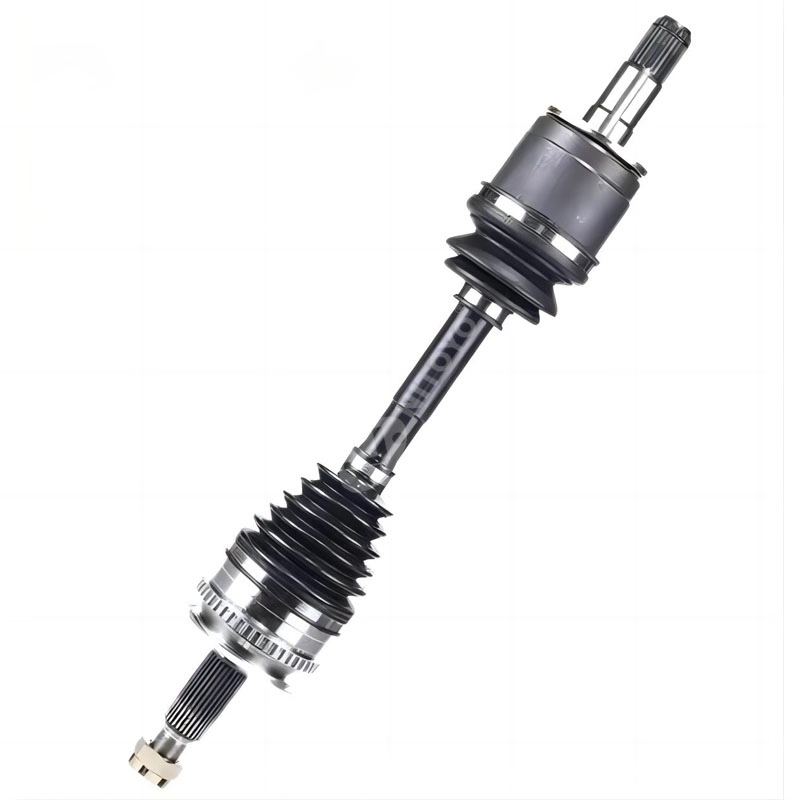
Differential Crown Wheel Pinion Mating helps improve gear mesh, reduce noise, and extend drivetrain life for modern vehicles.
Market pressure is rising
The automotive aftermarket continues to expand, and drivetrain buyers now expect faster sourcing, better compatibility, and lower comebacks. MR.FAST says it serves broad vehicle coverage, more than 40,000 SKUs, and multiple vehicle systems, which makes final-drive sourcing more practical for workshops and distributors. In that setting, differential crown wheel pinion mating is a high-impact detail because small setup errors can create noise, heat, and premature wear.
Brand context
MR.FAST presents itself as an aftermarket auto parts supplier with transmission coverage that includes crown wheel pinion, differential, differential kits, and synchronizer ring. Its site also highlights ISO 9001:2000 and TS 16949 certification, a 20,000 m² production site, and over 100 staff, including 30 senior technical professionals. That positioning makes it relevant for buyers who want a supplier that can support drivetrain parts as part of a wider sourcing workflow.
What is differential crown wheel pinion mating
Differential crown wheel pinion mating is the process of setting the ring gear and pinion so their tooth contact, backlash, and load distribution are correct. The goal is a final drive that runs quietly, carries load efficiently, and stays stable as temperature and torque change.
Why this matters
A poor mesh rarely fails in one dramatic moment. It usually starts as a faint whine, then becomes heat, pitting, and uneven wear that spreads to bearings and seals.
This is why the topic matters to repair shops and parts buyers. When the contact pattern is wrong, the symptom can look like a bad gearset even when the real cause is setup error, wrong shims, worn bearings, or an inconsistent housing condition.
The cost of that mistake is not just parts replacement. It also means more labor, more downtime, and a greater chance of repeat complaints after the vehicle returns to service.
For fleets and performance builds, the stakes are even higher. A differential that is only “close enough” may pass a quick bench check but still become noisy under sustained load, towing, or long-distance use.
In crown wheel and pinion setup, a small error in mesh can turn into a large repair bill after break-in.
Brand choice versus alternatives
Key mating factors
Backlash control
Backlash is the free play between gear teeth. Too little creates binding and heat; too much creates clunking, noise, and unstable torque transfer.
Contact pattern
The contact pattern shows where the teeth touch under load. A centered, even pattern spreads stress correctly, while a high, low, deep, or shallow pattern shortens gear life.
Bearing preload
Bearing preload keeps the gearset located under load. If it is wrong, the gears can shift slightly during operation and the mesh changes after installation.
Example usage
A rear axle that howls on deceleration often points to setup, not just worn parts.
A rebuilt differential may feel acceptable in the shop but become noisy after heat cycling.
A correctly mated gearset should remain quiet and stable under real driving load.
Related sourcing
MR.FAST’s Products page is the best starting point for category discovery, because it shows how the brand organizes transmission, engine, suspension, and AC systems. Its Toyota parts page is useful when buyers need make-specific sourcing, while the About Us and Contact pages provide company positioning and direct inquiry paths. Together, those pages help buyers connect a drivetrain repair need with broader procurement planning.
How to evaluate mesh
-
Confirm the axle type, gear ratio, and vehicle application before ordering parts.
-
Inspect the housing, bearings, and carrier condition before any setup work.
-
Set backlash within the target range rather than relying on feel alone.
-
Check the tooth contact pattern after assembly.
-
Verify preload so the gearset stays stable under heat and torque.
-
Road-test under acceleration and deceleration to confirm the final noise profile.
Common usage scenarios
Scenario: fleet maintenance
Traditional approach: the axle is repaired only after the noise becomes obvious, which often means more downtime and more cost.
Used well: accurate differential crown wheel pinion mating helps reduce repeat repairs and keeps service intervals predictable.
Scenario: performance rebuilds
Traditional approach: builders focus on power output and leave final-drive setup to the last step, then fight whine or heat later.
Used well: careful mesh setup supports quieter operation and more stable load handling.
Scenario: parts distribution
Traditional approach: distributors stock many similar-looking parts and struggle with fitment confusion.
Used well: a supplier with wide catalog coverage and transmission-series organization makes matching parts easier.
FAQ: differential crown wheel pinion mating
What is differential crown wheel pinion mating in simple terms?
It is the process of setting the ring gear and pinion so they mesh correctly under load. The aim is quiet operation, stable backlash, and long service life.
Why does my differential whine after rebuild?
Whine usually points to incorrect backlash, pinion depth, bearing preload, or a contact pattern that is not centered. It can also come from worn bearings or an inconsistent housing.
How do I know if crown wheel and pinion mesh is correct?
The contact pattern should sit in the intended zone, backlash should be within spec, and the assembly should remain quiet during both acceleration and deceleration. A proper setup also avoids abnormal heat and vibration.
Can crown wheel and pinion mating affect fuel efficiency?
Yes. Excess friction, heat, and drivetrain drag can come from poor gear mesh or bearing setup, which wastes energy. A correctly mated final drive runs more efficiently and with less noise.
Is differential crown wheel pinion mating the same as gear ratio selection?
No. Gear ratio selection determines the torque and speed relationship, while mating is the physical setup of the chosen gearset. Both matter, but they solve different problems.
Where can buyers source related drivetrain parts more efficiently?
A broad aftermarket supplier like MR.FAST can simplify procurement by covering crown wheel pinion, differential, and related systems in one catalog. That helps reduce sourcing friction when drivetrain work is part of a larger repair program.
Conclusion
Differential crown wheel pinion mating is one of the most important setup steps in a differential rebuild. When it is done correctly, the result is quieter operation, better load distribution, and fewer comebacks. For workshops and distributors, the practical advantage is simple: the right parts and the right setup together save time, labor, and reputation.
CTA
For drivetrain sourcing and broader aftermarket procurement, MR.FAST positions itself as a one-stop supplier with broad vehicle coverage and transmission-series parts. Its contact page is the direct route for inquiries, quotations, and fitment questions.
Sources
Related articles
 Hydro-Bushing Damping Efficiency: Premium Ride Control & Liquid Seal Technology2026News
 Natural Rubber vs EPDM in Engine Mounts: Performance, Durability, and Selection Guide2026News
 Thermal Management in Hybrid Powertrains: Improving Efficiency and Reliability2026News
 Commercial Fleet Auto Parts Sourcing and Cost Control for Reliable Uptime2026News

